Key Takeaways
A key federal health agency no longer recommends hepatitis B shots for all newborns soon after birth
Babies at high risk should still be vaccinated within 24 hours
Many doctors warn the change could raise infections
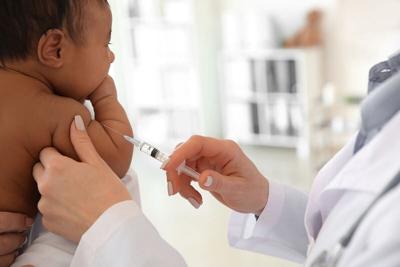
WEDNESDAY, Dec. 17, 2025 (HealthDay News) — The U.S. Centers for Disease Control and Prevention (CDC) rescinded its long-standing advice on universal hepatitis B vaccination of newborns.
Under the new policy, parents of babies born to mothers who test negative for hepatitis B are now advised to talk with a health care provider before deciding whether their newborn should get the first dose right away.
The change, recommended by an advisory committee, was accepted Tuesday by acting CDC Director Jim O’Neill, making it official agency guidance.
“We are restoring the balance of informed consent to parents whose newborns face little risk of contracting hepatitis B,” O'Neill said in a statement.
Since 1991, the CDC had recommended that all newborns receive a hepatitis B shot within 24 hours of birth to prevent early infections.
The change follows a vote earlier this month by the CDC’s vaccine advisory committee, whose current members were appointed by U.S. Health Secretary Robert F. Kennedy Jr.
Many doctors and public health leaders urged the CDC to reject the committee’s recommendation.
The updated guidance still says that babies born to mothers who test positive for hepatitis B, or whose infection status is unknown, should receive the vaccine within 24 hours of birth.
For other infants, the CDC suggests starting the vaccine series at 2 months of age if the birth dose is skipped.






Hepatitis B is a serious liver infection that can be passed from mother to child during delivery. There is no cure, and long-term infection can lead to liver disease or cancer.
Public health experts warn that delaying vaccination could undo decades of progress. After the universal birth dose was introduced, hepatitis B cases in U.S. children dropped by 99% between 1990 and 2019.
“Ending the recommendation for newborns makes it more likely the number of cases will begin to increase again," U.S. Sen. Bill Cassidy, a liver doctor, said in a social media post, NBC News reported.
"This makes America sicker," the Louisiana Republican added.
Despite the new guidance, many pediatricians say they will continue urging parents to vaccinate newborns. The American Academy of Pediatrics still recommends a hepatitis B shot within 24 hours of birth, followed by additional doses later in infancy.
Federal officials say the policy change will not affect insurance coverage. The vaccine will also remain available through the Vaccines for Children Program, which provides free shots for uninsured or underinsured families.
More information
The World Health Organization (WHO) has more on hepatitis B.
SOURCE: NBC News, Dec. 16, 2025
What This Means For You
Many doctors still urge early protection from hepatitis B.


(0) comments
Welcome to the discussion.
Log In
Keep it Clean. Please avoid obscene, vulgar, lewd, racist or sexually-oriented language.
PLEASE TURN OFF YOUR CAPS LOCK.
Don't Threaten. Threats of harming another person will not be tolerated.
Be Truthful. Don't knowingly lie about anyone or anything.
Be Nice. No racism, sexism or any sort of -ism that is degrading to another person.
Be Proactive. Use the 'Report' link on each comment to let us know of abusive posts.
Share with Us. We'd love to hear eyewitness accounts, the history behind an article.