








Timothy Abraham
By Stephen Beech
Air pollution can damage the heart, warns a new study.
Researchers have discovered that long-term exposure to air pollution is associated with early signs of heart damage.
Their findings indicate that fine particulate matter in the air may contribute to diffuse myocardial fibrosis - a form of scarring in the heart muscle that can precede heart failure.
An increasing body of evidence links poor air quality with cardiovascular disease, which is the leading cause of death worldwide
But underlying changes in the heart resulting from air pollution exposure are unclear.

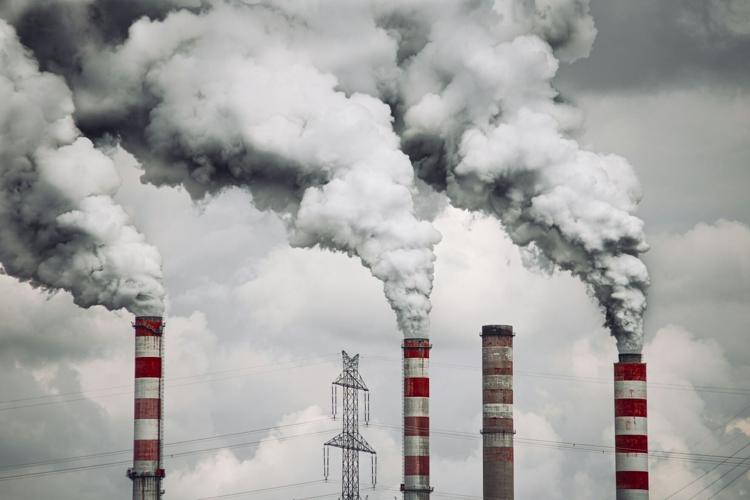
(Photo by RDNE Stock project via Pexels)
Study senior author Dr. Kate Hanneman said: “We know that if you’re exposed to air pollution, you’re at higher risk of cardiac disease, including higher risk of having a heart attack.
“We wanted to understand what drives this increased risk at the tissue level.”
Dr. Hanneman and her colleagues at the University of Toronto, used cardiac MRI - a non-invasive imaging technique - to quantify myocardial fibrosis and assess its association with long-term exposure to particles known as PM2.5.
At 2.5 micrometres in diameter or less, PM2.5 particles are small enough to enter the bloodstream through the lungs.
Common sources include vehicle exhaust, industrial emissions and wildfire smoke.
The research team wanted to evaluate the effects of air pollution on both healthy people and those with heart disease.

Marcus Kauffman
The study group included 201 healthy controls and 493 patients with dilated cardiomyopathy, a disease that makes it more difficult for the heart to pump blood.






Higher long-term exposure to fine particulate air pollution was linked with higher levels of myocardial fibrosis in both the patients with cardiomyopathy and the control group.
The researchers say that suggests that myocardial fibrosis may be an underlying mechanism by which air pollution leads to cardiovascular complications.
The largest effects were seen in women, smokers and patients with hypertension.
The study, published in the journal Radiology, adds to growing evidence that air pollution is a cardiovascular risk factor, contributing to risk not accounted for by conventional clinical predictors such as smoking or hypertension.
Dr. Hanneman said, “Even modest increases in air pollution levels appear to have measurable effects on the heart.

Marek Studzinski
“Our study suggests that air quality may play a significant role in changes to heart structure, potentially setting the stage for future cardiovascular disease.”
She says knowing a patient’s long-term air pollution exposure history could help refine heart disease risk assessment and address the health inequities that air pollution contributes to, both in terms of exposure and effect.
For example, if a person works outside in an area with poor air quality, healthcare providers could incorporate that exposure history into heart disease risk assessment.
The air pollution exposure levels of the patients in the study were below many of the global air quality guidelines, reinforcing that there are no safe exposure limits.

Janusz Walczak
Dr. Hanneman said, “Public health measures are needed to further reduce long-term air pollution exposure.
"There have been improvements in air quality over the past decade, both in Canada and the United States, but we still have a long way to go.”
As well as highlighting the links between air pollution and myocardial fibrosis, Dr. Hanneman says the study highlights the important role that radiologists will play in future research and clinical developments.
She added, “Medical imaging can be used as a tool to understand environmental effects on a patient’s health.
“As radiologists, we have a tremendous opportunity to use imaging to identify and quantify some of the health effects of environmental exposures in various organ systems.”

(0) comments
Welcome to the discussion.
Log In
Keep it Clean. Please avoid obscene, vulgar, lewd, racist or sexually-oriented language.
PLEASE TURN OFF YOUR CAPS LOCK.
Don't Threaten. Threats of harming another person will not be tolerated.
Be Truthful. Don't knowingly lie about anyone or anything.
Be Nice. No racism, sexism or any sort of -ism that is degrading to another person.
Be Proactive. Use the 'Report' link on each comment to let us know of abusive posts.
Share with Us. We'd love to hear eyewitness accounts, the history behind an article.