



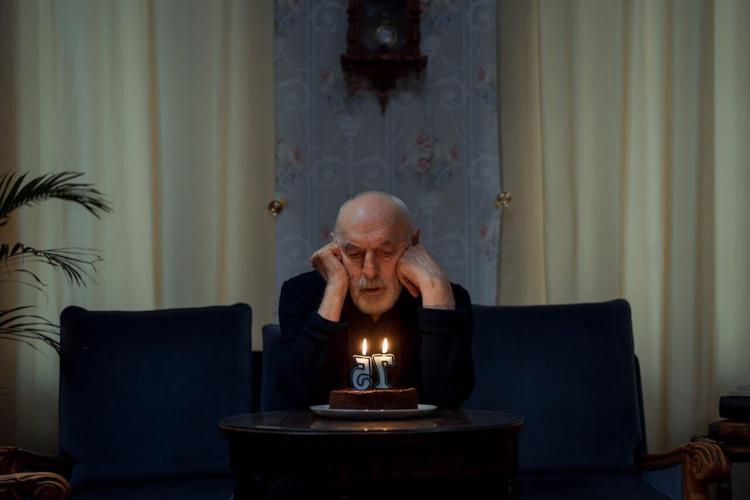


(Photo by RDNE Stock project via Pexels)
By Stephen Beech
Reducing loneliness protects the brain from dementia in later life, according to a new study.
Scottish researchersâ¯â¯discovered a direct causal effect between social isolation and aâ¯fasterâ¯decline in cognitive function as we grow older.
Pathological cognitive declineâ¯is most oftenâ¯driven byâ¯Alzheimer’s and related dementias, say scientists.
The University of St Andrews-led study found a "consistent" pattern ofâ¯higherâ¯social isolationâ¯causingâ¯faster cognitive declineâ¯whether or notâ¯people identify as lonely.â¯
Social isolation is objectively measured as, for example, sociability, membership in communityâ¯organizations,â¯andâ¯religious participation,â¯whereasâ¯loneliness is a subjective report of how often people feel lonely.â¯

(Photo by Ivan S via Pexels)
Whilst social isolation and lonelinessâ¯are often thought of asâ¯associated, researchers say they appear to haveâ¯independent effects on cognitive function.â¯
St Andrews researchers, alongside colleaguesâ¯from the Max Planck Institute for Demographic Research in Germany andâ¯Emory University in the US,â¯analyzedâ¯data fromâ¯the US Health and Retirement study, looking atâ¯137,653â¯cognitive function testsâ¯taken between 2004 and 2018 byâ¯more thanâ¯30â¯000â¯people.â¯â¯






The findings, published in The Journals of Gerontology, Series B: Psychological Sciences and Social Sciences, showed thatâ¯reducing social isolation has a "protective" effectâ¯on cognitive function for all groups regardless of gender, race,â¯ethnicityâ¯and educational level with only minor differences among social categories.â¯â¯
There has been a lot of recent interest in theâ¯healthâ¯effects of social isolation and loneliness, especially focused on teenagers and older adults.
Prior to COVID-19, around one-in-four people aged 65 and overâ¯identified as being socially isolated, triggering concerns about the health implications.

(Photo by cottonbro studio via Pexels)
Loneliness has been recognized as a major public health issue in high income countries including the UK, United States, Australia,â¯Germany, Japan and Sweden.
Alzheimer’s disease, which has no known cure already afflicts anâ¯estimated 6.9 million people in the United States alone, with around one in every 11 over 65s effected in the UK.
Study lead author Dr. Jo Hale, from the University of St Andrews, said:⯓Around the holidays,â¯many of usâ¯thinkâ¯a lotâ¯about how important it is to be surrounded by family and friends.â¯
"From Pagan winter holidays to classicâ¯Christmasâ¯tales,â¯we’reâ¯reminded thatâ¯social engagementâ¯isâ¯good for our mental health.â¯â¯
"This research shows thatâ¯it’sâ¯also important for our cognitiveâ¯health."
Dr. Hale added: "Asâ¯Alzheimer’s isâ¯aâ¯leading cause of death for older adults in the UK and US, constructingâ¯the scaffolding to allowâ¯for regular social interaction, especially for those whoâ¯may notâ¯have family or friends nearby, should be a public health priority.”â¯â¯


(0) comments
Welcome to the discussion.
Log In
Keep it Clean. Please avoid obscene, vulgar, lewd, racist or sexually-oriented language.
PLEASE TURN OFF YOUR CAPS LOCK.
Don't Threaten. Threats of harming another person will not be tolerated.
Be Truthful. Don't knowingly lie about anyone or anything.
Be Nice. No racism, sexism or any sort of -ism that is degrading to another person.
Be Proactive. Use the 'Report' link on each comment to let us know of abusive posts.
Share with Us. We'd love to hear eyewitness accounts, the history behind an article.