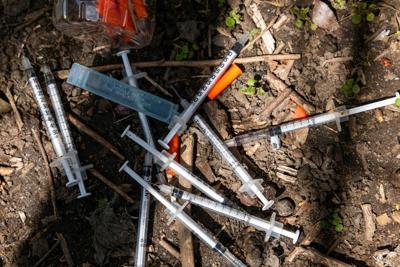
The City Council of Pueblo, Colorado, voted to ban the distribution of syringes through syringe service programs starting in May 2024.
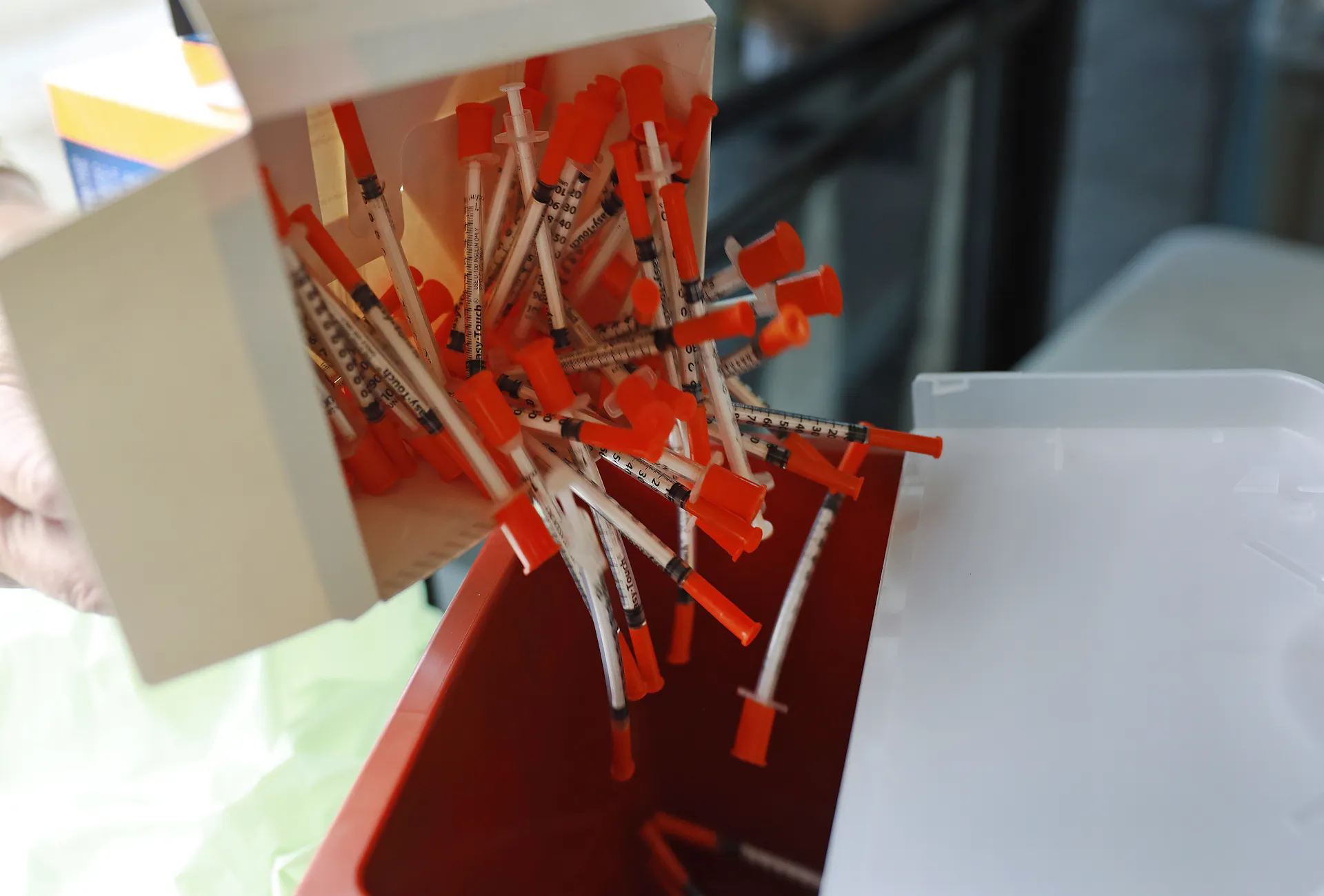
Also called needle exchanges, these programs are run by community organizations that provide healthcare services. The impetus for the ban, as council members noted, was syringe litter in public spaces.
Three weeks after the ban was implemented, and after pressure from the Colorado American Civil Liberties Union, it was overturned by a Pueblo District Court judge who ruled it violated state law.
We are researchers who study the public health effects of services and policies that address substance use. When the Pueblo syringe ban went into effect, our team of epidemiologists, addiction medicine physicians and health services researchers collaborated with local Pueblo harm reduction leaders to understand the ban’s impact on their work both immediately and months after it was overturned.
Needle exchanges reduce HIV transmission
Needle exchanges have been operating in the United States since the 1980s in Connecticut, Washington and other states. Today there are more than 400 of them throughout the nation.
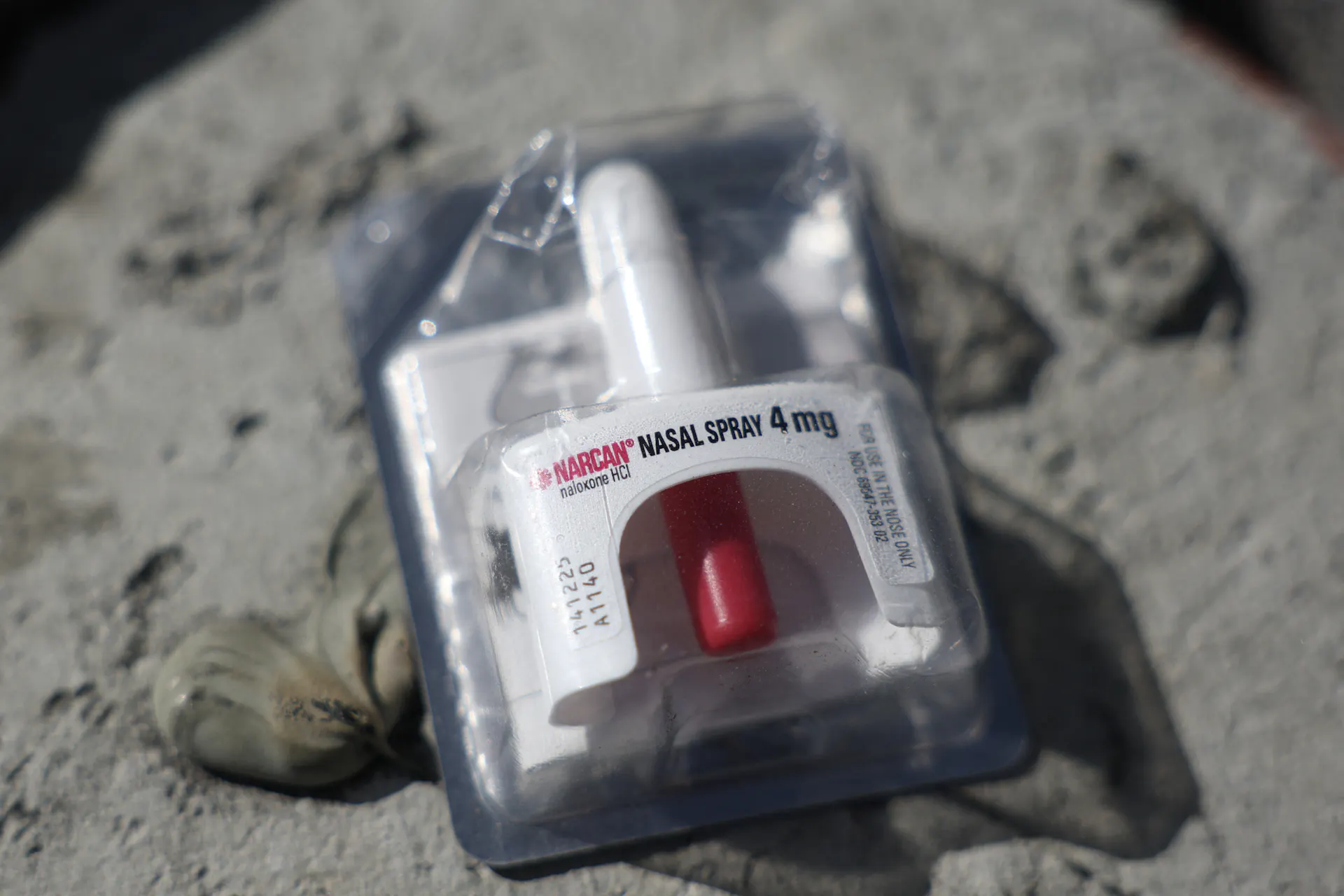
In addition to providing clean syringes and collecting used needles, these programs distribute the lifesaving overdose reversal medication naloxone. The programs also connect individuals to treatment for opioid use disorder and provide other forms of care, including testing for HIV and hepatitis C.
In Colorado, needle exchanges were authorized by state legislation in 2010. Pueblo’s two syringe exchanges began operating in 2014 and 2017. Even while the ban was in effect, the programs stayed open to provide other services to their clients.
Decades of evidence suggest that needle exchanges reduce the transmission of HIV and other infectious diseases by reducing needle sharing. A Seattle study in the late 1990s found that new users of a needle exchange were five times more likely to enter drug treatment than individuals who never used a needle exchange. They were also three times more likely to stop using illegal drugs altogether.
Furthermore, these programs generally do not lead to an increase in crime or syringe litter. In fact, people who receive syringes from a needle exchange are less likely to dispose of them improperly than those who do not use needle exchanges – in part because these programs encourage the return of used needles.
Ban’s impact on community
To evaluate the effect of Pueblo’s ban on the community, we analyzed data from one of the city’s two needle exchanges and the Pueblo Department of Parks and Recreation. We evaluated the number of syringes distributed and the amount of syringe litter collected from public spaces, including parks and parking lots.
We also collected and analyzed data on the number of visits to the needle exchange and the number of naloxone kits given out.
We found that syringe distribution decreased by about 2,400 units weekly. Litter decreased by about 120 units weekly. After the ban was overturned, however, the number of discarded syringes on public land did not rise again. That was true as the number of syringes that were distributed by the needle exchange increased beyond levels prior to the ban.
We concluded that after the ban was overturned, there was likely pent-up demand for new, clean syringes. However, there was also potentially increased awareness of proper disposal practices or promotion of used-syringe collection by needle exchange programs.
This is consistent with prior evidence that demonstrates needle exchanges can be key community partners in efforts to reduce syringe litter.





Naloxone distribution was of particular interest to our community partners, given that its distribution to people who use opioids is directly associated with reduced overdose deaths. While the ban lasted only three weeks, both the number of weekly visits to the needle exchange and the number of naloxone kits distributed were lower than expected for at least the 20 weeks after the ban was overturned. That was the entire period for which data was collected.
If preban trends had continued, there would have been over 150 naloxone kits distributed weekly by one program, on average. After the ban was overturned, that number was only about 125 per week.
Comparing the expected trajectory of naloxone distribution with observed data, we estimated that the ban resulted in 900 fewer kits of naloxone distributed throughout the community in the 20 weeks observed. Previous research has shown that on average, one death is prevented for every 230 naloxone kits distributed, so even this brief ban may have resulted in several preventable overdose deaths.
Decreased visits to the needle exchange also mean fewer opportunities for people who use opioids to access substance use disorder treatment, HIV and hepatitis C testing, and make connections to housing and other social services.
The initial concern driving the passage of Pueblo’s ban was syringe litter, but our study suggests that restrictions on harm reduction services may have significant unintended consequences that hinder community public health efforts.
Impact beyond Colorado
Cities across the U.S., from California to West Virginia, are making cuts to syringe service programs. At the federal level, the Trump administration issued an executive order in July 2025 that prohibits federal funding being used to purchase syringes. This ended a crucial funding source for many needle exchanges.
While overdose is still a leading cause of death in the U.S., it has been decreasing for the past several years. This is due, in part, to evidence-based public health efforts such as naloxone distribution, which the overwhelming majority of Americans supports.
This evidence and our own findings suggests placing restrictions on specific harm reduction services may undermine public health efforts to prevent overdoses and save lives.
Read more of our stories about Colorado.
This article is republished from The Conversation, a nonprofit, independent news organization bringing you facts and trustworthy analysis to help you make sense of our complex world. It was written by: Pranav Padmanabhan, University of Colorado Anschutz; Katherine LeMasters, University of Colorado Boulder, and Paul Christine, University of Colorado Anschutz
Read more:
- Philadelphia bans supervised injection sites – evidence suggests keeping drug users on the street could do more harm than good
- How opioid deaths tripled in Philly over a decade − and what may be behind a recent downturn
- Harm‑reduction vending machines offer free naloxone, pregnancy tests and hygiene kits
Katherine LeMasters is affiliated with Right Response Colorado, a statewide organization advocating for community care rather than incarceration for those with mental health and substance use needs.
Paul Christine receives funding from National Institute on Drug Abuse for work unrelated to this article. He is affiliated with Right Response Colorado, a statewide organization advocating for community care rather than incarceration for those with mental health and substance use needs..
Pranav Padmanabhan does not work for, consult, own shares in or receive funding from any company or organization that would benefit from this article, and has disclosed no relevant affiliations beyond their academic appointment.

(0) comments
Welcome to the discussion.
Log In
Keep it Clean. Please avoid obscene, vulgar, lewd, racist or sexually-oriented language.
PLEASE TURN OFF YOUR CAPS LOCK.
Don't Threaten. Threats of harming another person will not be tolerated.
Be Truthful. Don't knowingly lie about anyone or anything.
Be Nice. No racism, sexism or any sort of -ism that is degrading to another person.
Be Proactive. Use the 'Report' link on each comment to let us know of abusive posts.
Share with Us. We'd love to hear eyewitness accounts, the history behind an article.