

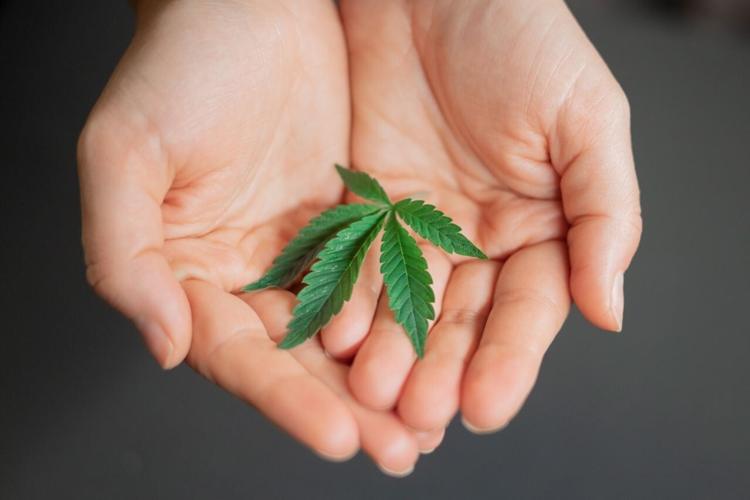








(Photo by RDNE Stock project via Pexels)
By Stephen Beech
Cannabis is involved in most drug-related emergency hospital visits by teenagers and young adults, reveals new research.
But alcohol is the predominant factor in substance-related emergency visits by older adults, according to the findings.
Researchers analyzed more than 5 million emergency department visits and hospitalizations related to alcohol or cannabis use across the United States.
The study, published in the American Journal of Psychiatry, revealed “diverging” age patterns.
Study leader Dr. Kevin Xu says the risks of cannabis use are often oversimplified and underestimated, especially considering the increasing potency of products readily available for purchase.
Dr. Xu, an assistant professor of psychiatry at Washington University School of Medicine, St. Louis, said: “In general, we have seen that cannabis use is trending up and alcohol use is trending down.

(Photo by Kindel Media via Pexels)
“But until now, we haven’t had high-quality data tracking what kind of use is causing immediate harm — emergency room visits and hospitalizations.
“Understanding age differences in high-risk use is critical for being able to offer effective and meaningful care for people at different life stages.”
The researchers analyzed patient data from large health insurance databases, including commercial insurance and Medicaid.
The analysis included more than 1.3 million people ages 16 to 64 who had at least one substance-related emergency care encounter between January 2016 and December 2023.
The total number of substance-related encounters in the dataset exceeded 5 million.
The data included ER visits related to opioids, stimulants and other addictive substances, along with alcohol and cannabis.

(Photo by Pixabay via Pexels)
The data was analyzed by age group: 16-18, 19-24, 25-34, 35-44, 45-54 and 55-64.
Among adolescents ages 16 to 18 who had a substance-related emergency visit or hospitalization, 84% had at least one encounter involving cannabis — the highest of any age group — compared with 19% among adults ages 55 to 64.
Young adults between 19 and 24 years of age had the greatest increase in the proportion of encounters involving cannabis over the eight years of the study.






The proportion of teen encounters involving cannabis rose by about 0.8 percentage points per year over the study period, while older age groups changed very little.
Dr. Xu noted that the increased potency of cannabis products available in recent years can make it easy to consume far more THC — the psychoactive ingredient in cannabis — than in the past.
One recent study suggested that cannabis use disorder becomes more likely with use above roughly 40 milligrams of THC per week in adults and 30 milligrams per week in adolescents.

(Photo by Pressmaster via Pexels)
Dr. Xu says the high potency of cannabis products poses particular risks for adolescents and young adults, who are going through critical periods of brain development.
Heavy use as a teenager has also been associated with increased risk of psychotic symptoms, although most people who use cannabis don’t experience such problems.
While many people consume cannabis regularly without needing emergency care, the study found “concerning” increases in cannabis-related hospital admissions involving psychosis and severe vomiting among younger people.
When the research team looked only at hospitalizations where cannabis was the primary reason for admission, the trend among adolescents declined — suggesting that while cannabis is increasingly present in acute care encounters, it may not be the sole driver of hospitalization, which often involved other substances.
Dr. Xu said the study counted any emergency visit or hospitalization where cannabis appeared anywhere in the diagnosis list, so the visit itself could have been for something else entirely, such as injury in a car accident, a psychiatric crisis or an unrelated medical problem.
Nearly half of cannabis-related encounters in the study also involved at least one other substance.

(Photo by Mayara Klingner via Pexels)
Despite overall downward trends in alcohol use in the United States over the study’s time period, the findings showed that emergency care and hospital admissions due to alcohol remained high and tended to increase with age.
Among adolescents, 33% had an alcohol-related encounter, and the percentage rose steadily with each older age group.
Among the oldest 55 to 64 age group, 70% had an alcohol-related encounter.
The steepest increase of any trend in the study was in alcohol as the primary reason for hospitalization among adults ages 25 to 34.
Study first author Dr. Jacob Steinle said: “There are many lingering questions to answer, especially about understanding why substance use-related harm patterns vary so greatly across the lifespan.”
He added: “We plan to continue our research, building upon these foundations so that clinicians can better inform each individual patient and the public at large around the risks of substance use.”
(0) comments
Welcome to the discussion.
Log In
Keep it Clean. Please avoid obscene, vulgar, lewd, racist or sexually-oriented language.
PLEASE TURN OFF YOUR CAPS LOCK.
Don't Threaten. Threats of harming another person will not be tolerated.
Be Truthful. Don't knowingly lie about anyone or anything.
Be Nice. No racism, sexism or any sort of -ism that is degrading to another person.
Be Proactive. Use the 'Report' link on each comment to let us know of abusive posts.
Share with Us. We'd love to hear eyewitness accounts, the history behind an article.