


Photo by Mikhail Nilov via Pexels
By Stephen Beech
Sunscreen misinformation attracts "disproportionately high" engagement on TikTok, reveals a new study.
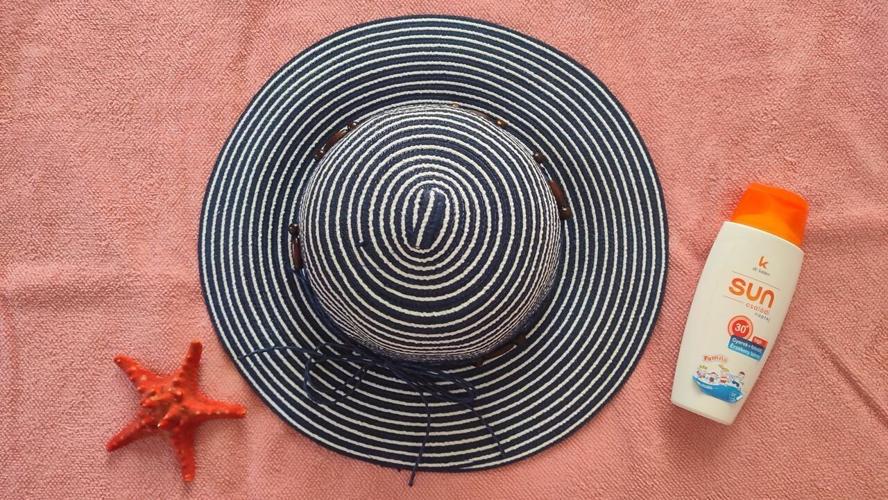
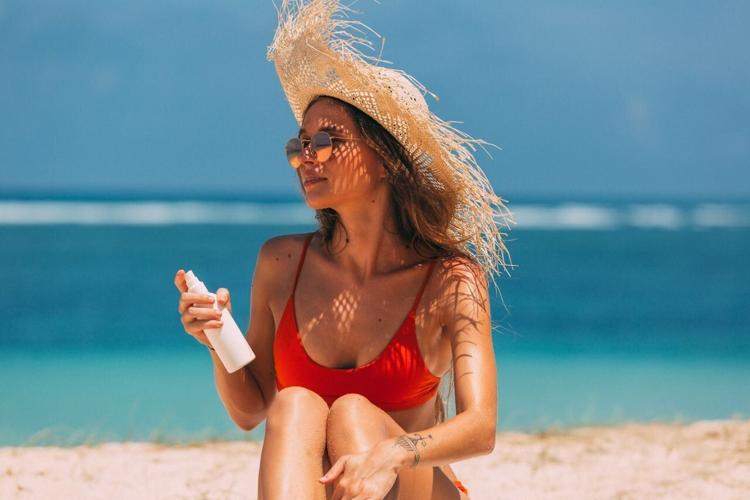
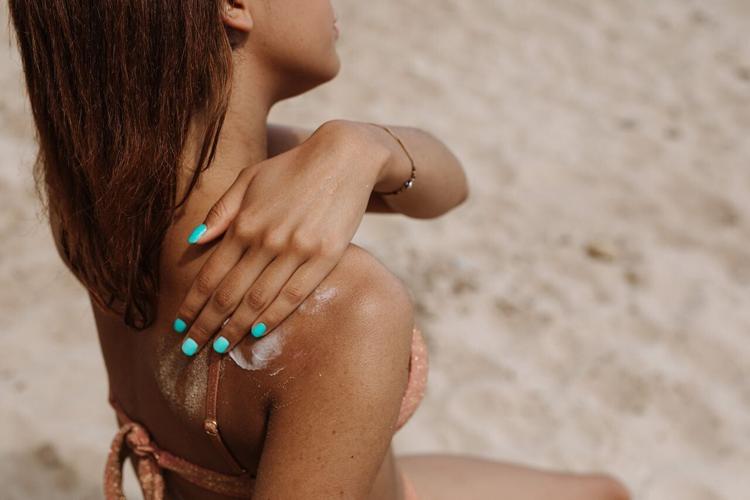
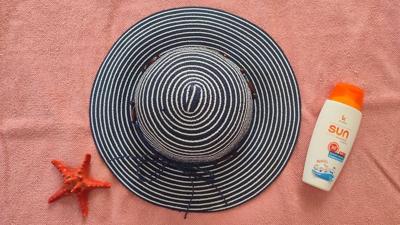
The protective lotion is promoted in many popular videos on the social media platform, but some content contains serious health inaccuracies, say researchers.
And very few mention its cancer-preventing properties, according to the findings published in the journal PLOS Digital Health.
An analysis of nearly 1,000 TikToks about sunscreen found that the vast majority promoted sunscreen use, but the small fraction that critiqued or disparaged sunscreen generated, on average, more likes, shares, and comments.
Skin cancer rates are rising worldwide, and sunscreen is among the most accessible and effective tools for prevention.
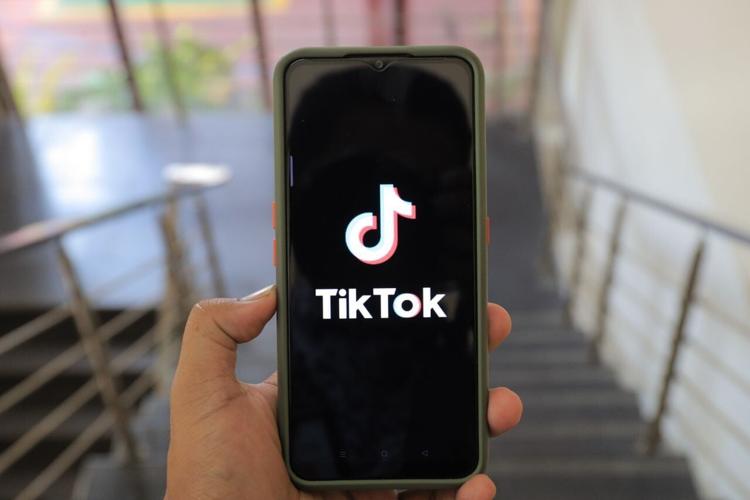
But public health organizations have raised concerns about a sunscreen misinformation trend on TikTok, which is one of the world’s most-used social media platforms — especially among young people.

Photo by greenwish _ via Pexels
The misinformation includes claims that sunscreen is toxic, cancer-causing, or unnecessarily blocks the health benefits of sun exposure.
Canadian researchers conducted a content analysis of 971 of the most-viewed TikTok videos across the five most popular sunscreen-related hashtags: #sunscreen, #sunscreenviral, #spf, #sunscreenreview, and #sunprotection.
Videos were coded for sunscreen promotion, health-related critique, and audience engagement measures including views, likes, shares, and comments.





The vast majority of videos included in the study promoted sunscreen use (86.8%), with only 6% containing health-related critique such as claims that sunscreen causes harm (1.5%) or prevents health benefits such as vitamin D absorption (1.2%).
But critique-focused videos generated, on average, "significantly higher" audience engagement in likes, shares and comments compared with promotion-only videos.
The research team attributed the pattern to the "outsized viral potential" of contrarian and shock-provoking content.
They say even the promotional majority represented a missed public health opportunity as sunscreen content on TikTok was heavily focused on cosmetic benefits and product promotion, with only 6% of videos explicitly mentioning cancer risk reduction.

Photo by www.kaboompics.com via Pexels
Study author Alessandro Marcon said: “Sunscreen misinformation may attract disproportionate attention.
“Sunscreen misinformation on TikTok constitutes an area of concern not for the total sum of overarching influence in terms of content production but rather in how strongly some sunscreen misinformation ideas resonated among particular audiences.
“Our analysis showed TikTok is not necessarily flooded with sunscreen misinformation, but TikToks which dangerously claim that sunscreen is harmful or unnecessary receive comparatively high levels of audience engagement.
"TikTok content creators commonly promoted sunscreen as part of skincare regimens where sunscreen benefits were more commonly related to beauty rather than health.”
Marcon, a research associate at the University of Alberta's Health Law Institute, added: “It was surprising to see so many TikToks promoting sunscreen use without specifically mentioning the important role it plays in cancer prevention.
"Only 6% of the TikToks analyzed explicitly mentioned the benefits of reducing the risk of skin cancer.”

(0) comments
Welcome to the discussion.
Log In
Keep it Clean. Please avoid obscene, vulgar, lewd, racist or sexually-oriented language.
PLEASE TURN OFF YOUR CAPS LOCK.
Don't Threaten. Threats of harming another person will not be tolerated.
Be Truthful. Don't knowingly lie about anyone or anything.
Be Nice. No racism, sexism or any sort of -ism that is degrading to another person.
Be Proactive. Use the 'Report' link on each comment to let us know of abusive posts.
Share with Us. We'd love to hear eyewitness accounts, the history behind an article.