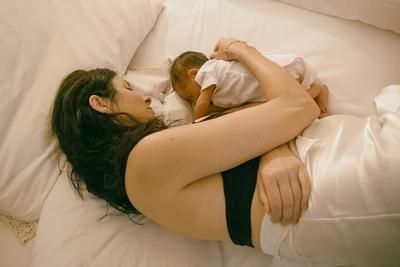


Pregnancy night sweats are a common part of your body’s incredible transformation, from early pregnancy through the third trimester and into the postpartum phase. Instead of just seeing them as a problem, it helps to understand why they happen and what you can do to stay comfortable—both during pregnancy and with nighttime sweats post-pregnancy.
Early pregnancy and sweating at night: what are the causes?
If you’ve been wondering, “Do you sweat more in pregnancy?” the answer is yes, and it’s not just during the day. Night sweats, pregnancy, and postpartum all go hand-in-hand – and it’s down to a few key factors, Dove reports:
Hormonal shifts
Sweating at night in early pregnancy is common. You might even find yourself thinking, “Are night sweats a sign of pregnancy?” (and you’d be correct – although they aren’t a definitive sign on their own). Rising estrogen and progesterone affect your internal thermostat and disrupt your ability to regulate your temperature, which can lead to hot flashes, cold sweats, and sweat that smells slightly different from usual.
Increased blood volume and metabolism
Your body pumps more blood and works harder to support your baby, which generates more heat and makes night sweats more likely.
Stress, vivid dreams, and sleep disruption
Emotional changes and restless sleep can trigger night sweats. Pregnancy is a time of huge change, so don’t be alarmed if you wake up to a damp bed. It can be down to this mix of hormonal and physical changes, plus room temperature and bedding (more on this later).
Sweating at night post-pregnancy
What causes sweating at night post-pregnancy?
Many people are surprised by this, but sweating at night post-pregnancy is also completely normal. As your hormones find balance again, estrogen and progesterone levels fall quickly, and your body sheds excess fluid from pregnancy, making post-pregnancy sweats very common.
How long do night sweats last after pregnancy?
Most people notice that nighttime sweats post-pregnancy improve within a few days to a few weeks. For some, mild night sweats can last longer while hormones and menstrual cycles settle. However, if they continue beyond a few weeks or feel extreme, speak with your doctor.
Practical tips for managing night sweats, early pregnancy, and beyond
You may not be able to stop night sweats completely, but you can make them more manageable.
Cool your sleep environment: Use a fan, lower the thermostat, or crack a window
Choose breathable fabrics: Think cotton sheets and light, loose sleepwear.
Stay hydrated: Sip water throughout the day and keep a glass by your bed, and limit spicy foods and caffeine near bedtime.
“Pregnancy can result in noticeable changes in sweating, and patients often tell me nighttime is when they notice it most,” says Janiene Luke, MD, a dermatologist at UCLA. “Antiperspirants can help manage underarm perspiration. I’d pair that with breathable sleepwear and apply the antiperspirant at night to help stay more comfortable.”
How night sweats affect your skin





Sweating at night can affect your skin in several ways:
- Dehydration and tightness: Repeated sweating can leave skin feeling dry, tight, or flaky.
- Irritation and chafing: Constant moisture in areas like your underarms, under your breasts, and inner thighs can cause redness and discomfort.
- Blocked pores and breakouts: Sweat mixed with oil can clog pores, leading to bumps on the chest, back, and face.
- Odor changes: Smelly sweat during pregnancy is common because hormonal shifts can change your natural scent.
Our perfect pregnancy and postpartum bedtime routine
Gentle, consistent care can help keep your skin comfortable and resilient through night sweats in both pregnancy and the postpartum period.
Turn down the heat
If you usually take a hot shower before bed, turn the heat down. Try a warm (not hot) shower. Don’t be fooled, a cold shower won’t help either, as it can trigger your body’s stress hormones as they work to warm you up, and actually end up making you hotter.
Choose gentle skin cleansing products
Shower in lukewarm water after a particularly sweaty night to remove salt and bacteria without over-drying. Choose a mild, moisturizing cleanser that respects your skin barrier to help your skin retain its natural moisture.
Apply a clinical-strength deodorant before bed: Choose a long-lasting antiperspirant to help protect against hormonal, heat, and stress sweat.
When to talk to your doctor
Most night sweats during pregnancy and postpartum are normal, but you should contact your doctor or midwife if:
- Night sweats are sudden, severe, or rapidly worsening
- You have a fever, chills, or feel generally unwell
- You experience unexplained weight loss, rapid heartbeat, or shortness of breath
- You’re worried about whether your hot or cold sweats are normal
Feeling hot, sweaty, and uncomfortable can be frustrating, but pregnancy night sweats and post-pregnancy sweats are usually a normal part of your body’s transition. With a cool sleep environment, mindful hydration, and gentle care from products you like can support both your comfort and your skin while your body does the important work of growing a baby —and recovering from pregnancy.
Frequently asked questions
How do pregnancy night sweats impact my skin, and what's the best way to care for it?
Pregnancy night sweats can dehydrate skin, increase irritation in areas where moisture and friction combine, and contribute to clogged pores and breakouts. The best care routine includes:
- Gentle, moisturizing cleansing
- Regular use of a caring clinical-strength antiperspirant to manage odor and protect skin
- Daily moisturizing to restore hydration
- Wearing breathable fabrics and changing out of damp clothes quickly
Are postpartum night sweats also common, and how long do they typically last?
Yes, sweating at night post-pregnancy is very common as your hormones shift and your body sheds extra fluid. Most people notice improvement within a few days to a few weeks.
When should I be concerned about night sweats during pregnancy and consult my doctor?
While night sweats are completely normal during pregnancy and postpartum, they could also signal an infection, thyroid issue, or another condition that needs attention. So speak to your doctor if they aren’t improving with time, you feel unwell with a fever, chills, or chest pain, or you experience any breathing problems or a rapid heart rate.
This story was produced by Dove and reviewed and distributed by Stacker.
(0) comments
Welcome to the discussion.
Log In
Keep it Clean. Please avoid obscene, vulgar, lewd, racist or sexually-oriented language.
PLEASE TURN OFF YOUR CAPS LOCK.
Don't Threaten. Threats of harming another person will not be tolerated.
Be Truthful. Don't knowingly lie about anyone or anything.
Be Nice. No racism, sexism or any sort of -ism that is degrading to another person.
Be Proactive. Use the 'Report' link on each comment to let us know of abusive posts.
Share with Us. We'd love to hear eyewitness accounts, the history behind an article.