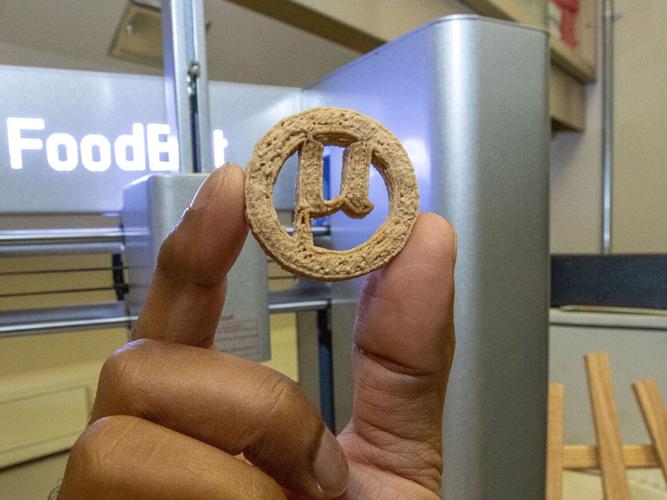
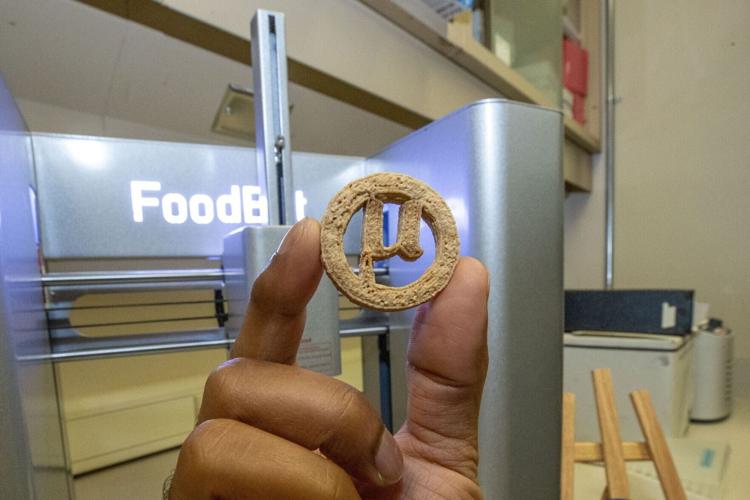
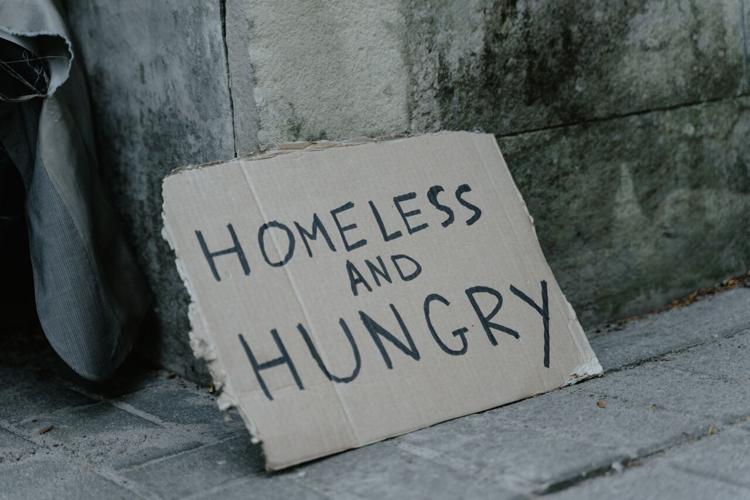

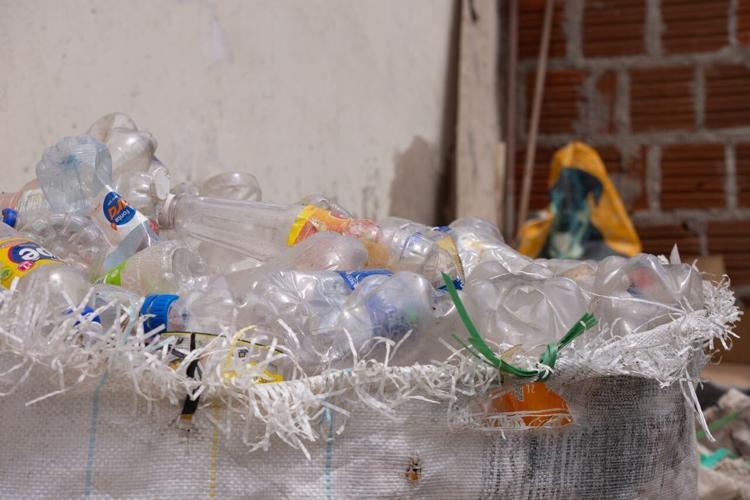
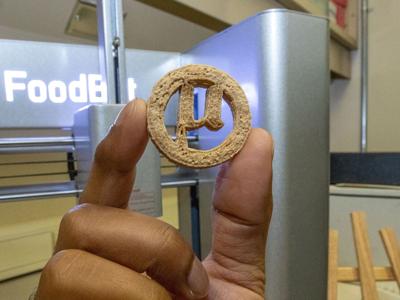

This cookie is made using waste plant materials and plastic and could feed humans everywhere from submarines to spaceships. (SIU Carbondale Communications via SWNS)
By Stephen Beech
Cookies made from waste plastic bottles could help solve global food shortages, say scientists.
They have used specialized microbes to transform inedible material into protein-rich snacks in what could be a significant breakthrough.
The American research team programmed yeasts to turn plastic and agricultural waste into edible proteins and flavoring molecules, creating a treat from trash.
They say the technology not only offers a new upcycling method but could also sustain life in disaster zones or even human deep-space missions.
As the world struggles with growing plastic pollution and increasing concerns about food security, researchers are looking for ways to turn one problem into a means of solving the other.

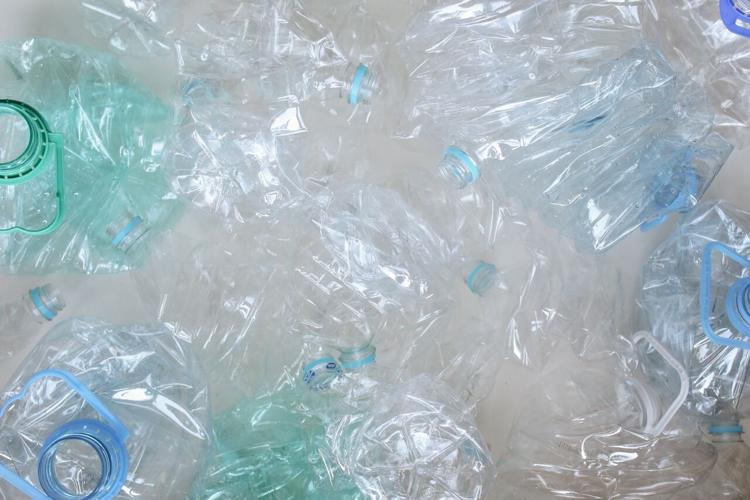
(Photo by Polina Tankilevitch via Pexels)
Researchers at Southern Illinois University (SIU) put microbes to the test to transform plastic waste into edible food for humans.
The work was conducted as part of a project led by NASA aimed at creating food for deep-space exploration.
Lahiru Jayakody said: "We were trying to develop technologies for plastic upcycling to make more valuable products.
"We thought, why not focus on making food? Because plastic is carbon and food is carbon."
He explained that one of the most common forms of plastic is polyethylene terephthalate (PET), a material often used to make bottles for water and soda.
Jayakody says PET contains molecules with lots of carbon that could be rebuilt into something like a protein.

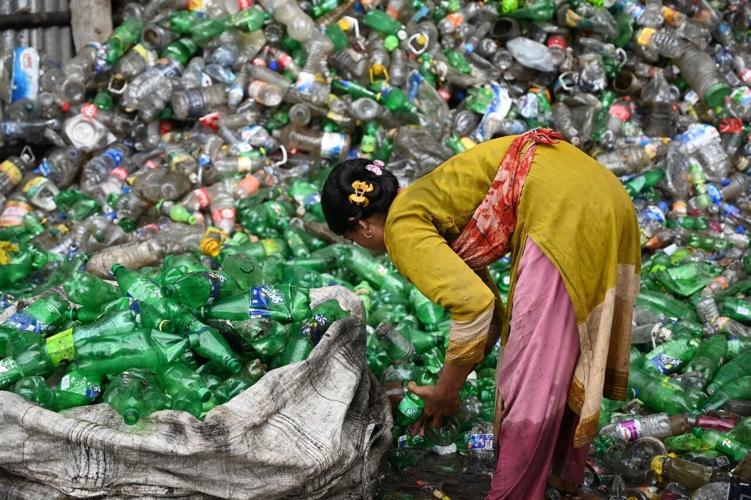
(Photo by Mumtahina Tanni via Pexels)
And while that rebuilding could be done using chemical reactions and solvents in a lab, a simpler and more eco-friendly solution is to outsource the work to microbes.
Jayakody said: "Microbes are very clever.
"So, we are using their traits to solve the problems we created."
He says scientists have long used microbes, including yeast, as miniature factories to make a variety of molecules.






For example, insulin is no longer extracted from animal pancreases — now, yeast can be programmed to make it.
Similarly, Jayakody and graduate student Sandhya Jayasekara programmed a range of yeasts — including baker's yeast — to convert molecules present in plastic and agricultural waste into proteins, vitamins and flavorings.
The research team took PET plastic, discarded corn plant stalks and leaves, and other biomass and put it through a process called oxidative hydrothermal dissolution.

(Photo by MART PRODUCTION via Pexels)
Created by SIU geology professor Ken Anderson, the method uses water and oxygen at high temperature and pressure to break down tough material into microbe-accessible pieces.
The pieces are then fed to the programmed yeasts, which reform those pieces into a variety of new food ingredients, including proteins, fats and acids.
Finally, the researchers added fiber, starch and sweetener to the mix and then extruded it through a 3D printer, forming protein-rich cookies dubbed µBites, pronounced "microbites."
Although data show that µBites are safe to eat, the team is awaiting institutional approval to conduct taste tests.
For now, the cookies have received high marks on aroma, with most participants agreeing that they would be willing to eat the cookies in resource-limited situations.
To make µBites into something shoppers might opt for in less dire circumstances, Jayasekara created yeasts that can produce more food additives.
Now, baker's yeast can produce vanilla flavoring from plant biomass, while a different strain can now turn ethylene glycol from PET into beta-carotene, which the body can convert into vitamin A.

(Photo by Eudes cs via Pexels)
Jayasekara said: "We're using microbes to develop the cookie into a more attractive, consumer-friendly product."
Jayakody and his team hope to produce the main ingredients in the µBites using microbes, including the added starch, fiber and sweetener.
He also hopes µBites will be ready for public consumption within a few years and could be used both on Earth and in more extreme environments, such as submarines or even colonies on the moon or Mars.
Jayakody added: "Global food demand is expected to rise 35% to 56% by the year 2050, and about 30% of the world population will be at risk of hunger in the future.
"The way to address that, I believe, is by using microbes."
The team presented its findings at a meeting of the American Chemical Society (ACS) in Chicago.

(0) comments
Welcome to the discussion.
Log In
Keep it Clean. Please avoid obscene, vulgar, lewd, racist or sexually-oriented language.
PLEASE TURN OFF YOUR CAPS LOCK.
Don't Threaten. Threats of harming another person will not be tolerated.
Be Truthful. Don't knowingly lie about anyone or anything.
Be Nice. No racism, sexism or any sort of -ism that is degrading to another person.
Be Proactive. Use the 'Report' link on each comment to let us know of abusive posts.
Share with Us. We'd love to hear eyewitness accounts, the history behind an article.