As bees return and butterflies gather along backyard fences, garden shoppers head to plant centers with more than color in mind. This spring, many gardeners practice purpose-driven planting, choosing native and pollinator-supporting plants that build habitat and strengthen biodiversity in everyday yard spaces. Plant labels receive closer attention as nectar value, bloom timing and host plant potential help guide what goes into the cart.
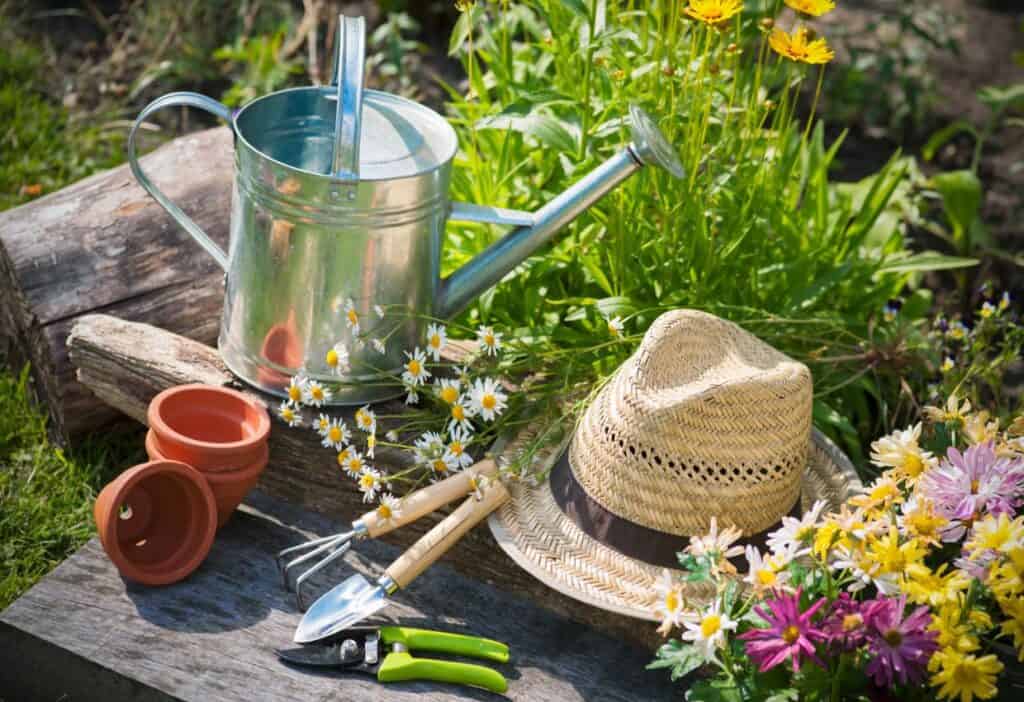
Across suburbs and city blocks, yard plans now start with habitat goals instead of decorative themes. Native perennials, flowering shrubs and adapted grasses now appear on shopping lists early in the season. What once stayed within gardening forums and conservation circles now appears in mainstream retail aisles, where pollinators and biodiversity sit at the center of spring purchasing decisions.
Pollinators drive purchasing decisions
Purpose-driven planting now guides how many households plan spring beds. Garden Media Group lists gardening that supports pollinators and local habitat among its leading themes for 2026, and retailers report early demand for native perennials during the March planning season. Those priorities now influence what shoppers place in their carts well before the first warm weekend arrives.
Consumers arrive at garden centers and plant sales with clearer intent than in previous seasons. Many review extension plant lists before shopping rather than choosing flowers by color or height because those guides help identify plants that provide nectar, pollen or host value for insects.
The Xerces Society for Invertebrate Conservation offers downloadable pollinator conservation resources tailored to different U.S. regions. These materials identify native trees, shrubs and wildflowers that provide nectar and pollen for bees and butterflies, as well as host plants for caterpillars. Because this information is accessible and practical, purpose-driven planting becomes a straightforward choice rather than a niche interest.
Native plants gain ground
Homeowners convert sections of lawn into planting beds designed to support habitat. They replace turf with regionally appropriate grasses such as little bluestem, switchgrass and prairie dropseed, along with flowering perennials including purple coneflower, black-eyed Susan and bee balm that provide nectar through much of the growing season. Through these changes, purpose-driven planting turns ordinary yards into small-scale ecosystems that support pollinators and local wildlife.
Native species, especially flowering plants, support insects like butterflies, bees and hummingbirds, while caterpillars that find host plants provide an important food source for birds during nesting season. This chain of benefits means interest in pollinators and biodiversity now extends beyond bees and butterflies to broader wildlife health.
Seed swaps pick up in winter as gardeners sort unused packets and recognize how much viable seed remains. These exchanges redistribute that surplus, reduce waste and limit overbuying each spring. The gatherings also offer a budget-friendly way to try new varieties as seed prices rise, including heirloom or locally adapted selections that rarely appear in retail racks. As neighbors trade seed sources and county planting guides, purpose-driven planting spreads through shared advice, cuttings and firsthand results.
Retailers respond to demand
Retailers track measurable changes in purchasing patterns as purpose-driven planting gains ground in early spring planning. Younger homeowners show increased interest in environmentally focused gardening, prompting retailers to adjust inventory toward native perennials, host plants for butterflies and regionally appropriate shrubs before peak April foot traffic begins.





Store layouts now align with those priorities, with end caps grouping pollinator plants alongside soil blends, compost and mulch so customers can complete an entire habitat project in one trip. Clear plant tags outline bloom cycles, sun requirements and wildlife benefits at the point of sale, equipping shoppers with practical details that guide confident purchasing decisions. As a result, pollinator-friendly planting moves from niche interest to routine buying behavior.
Lawns evolve into a habitat
Across suburbs and small towns, homeowners carve out new garden beds along fences and driveways, adding flowering shrubs and native grasses that provide shelter and steady nectar sources for local wildlife. These practical updates convert underused corners into productive habitat and turn everyday yards into intentional spaces that support biodiversity.
Beekeepers encourage residents to think beyond a single species and plan continuous bloom from early spring through fall. Early bulbs support emerging bees, while late-season asters feed insects before winter. This seasonal planning reinforces pollinators and biodiversity as a mainstream consumer goal with measurable impact.
Homeowners who once focused on tidy lawns now track which plants attract the most activity. They observe hummingbirds at tubular blooms and count monarch caterpillars on milkweed leaves. In this hands-on way, purpose-driven planting connects daily gardening tasks with support for pollinators and wildlife.
March planning sets pace
March functions as a critical planning month before peak planting begins because it is when decisions are made, budgets are finalized and supplies are still widely available. Shoppers use the cooler weeks to compare extension recommendations, check local frost dates and map out bed dimensions before soil preparation starts in earnest. Garden centers schedule workshops and early promotions during this period, knowing that when warmer weather settles in, customers move quickly from planning to buying plants and putting them in the ground.
During this preplanting stretch, purpose-driven planting moves from idea to line item as households allocate funds for native perennials, compost and soil conditioners and habitat shrubs alongside other spring expenses. Early commitments often determine the scale of a project because plant availability and promotional pricing influence how much turf converts to habitat. When peak planting weekends arrive, many gardeners already know exactly which plants they plan to buy and where those plants will go.
Purpose-driven planting sets garden agendas
This year, purpose-driven planting stands at the center of garden conversations. Gardening designed to support pollinators influences how landscapes look and how communities think about their role in local ecosystems. With clear guidance from growers, ecologists and extension experts, gardeners act with intention and plant for a living landscape that serves more than decoration.
Jennifer Allen is a retired professional chef and long-time writer. Her work appears in dozens of publications, including MSN, Yahoo, The Washington Post and The Seattle Times. These days, she’s busy in the kitchen developing recipes and traveling the world, and you can find all her best creations at Cook What You Love.
The post Purpose-driven planting moves from trend to mainstream appeared first on Food Drink Life.



(0) comments
Welcome to the discussion.
Log In
Keep it Clean. Please avoid obscene, vulgar, lewd, racist or sexually-oriented language.
PLEASE TURN OFF YOUR CAPS LOCK.
Don't Threaten. Threats of harming another person will not be tolerated.
Be Truthful. Don't knowingly lie about anyone or anything.
Be Nice. No racism, sexism or any sort of -ism that is degrading to another person.
Be Proactive. Use the 'Report' link on each comment to let us know of abusive posts.
Share with Us. We'd love to hear eyewitness accounts, the history behind an article.