Canned pumpkin, fresh cranberries and Thanksgiving turkey are already crowding grocery shelves, weeks before anyone needs them for dinner. That’s because each one is picked, canned or shipped only once a year, and that window is open right now. Once it closes, shoppers are stuck waiting until next year’s harvest.
Grocery chains do push holiday items earlier every year, lining up turkey and canned pumpkin displays before Halloween decorations even come down. Shoppers usually chalk that up to marketing, and most of the time, that’s a fair guess, since most holiday displays are just about getting ahead of the rush.
Retailers don’t control the timing behind pumpkins, cranberries, turkey and sweet potatoes. Each depends on a harvest or production cycle that lasts only weeks, and once the supply sells out, it may not return until next year. Shoppers who wait until the week of the holiday face more than crowded aisles; they’re shopping after that window already closed, with nothing left to restock.
The clock is already running
The clearest evidence of that calendar is a 2026 cranberry forecast of 7.87 million barrels, a number that exists only because the harvest is happening right now. That figure, published this month, measures a fruit most people only think about once a year, picked over roughly two months each fall across a handful of northern states, from Wisconsin’s bogs to New England’s. Cranberries are an extreme version of a pattern that runs through the other ingredients on this list, each tied to its own short production run instead of a steady, year-round supply.
Most of it comes from one Illinois cannery
Morton, Illinois, a village of about 17,000 people roughly 150 miles southwest of Chicago, has called itself the pumpkin capital of the world since a former Illinois governor gave it the title in 1978. The claim holds up. A Nestlé-owned cannery there, operating under the Libby’s brand, produces 80% to 85% of the canned pumpkin sold in the United States.
Deliveries run about 13 weeks, from August into early November, with trucks arriving from more than 200 nearby contract farms. In a good year, the cannery runs day and night to keep up. The plant uses a specific variety: the beige, oblong Dickinson pumpkin, not the kind carved for Halloween. The last time that window broke down was in 2009; heavy rain flooded the fields in the middle of harvest, and Nestlé stopped picking for the rest of the season, tightening supply through the holidays that year.
The berries floating to the surface right now
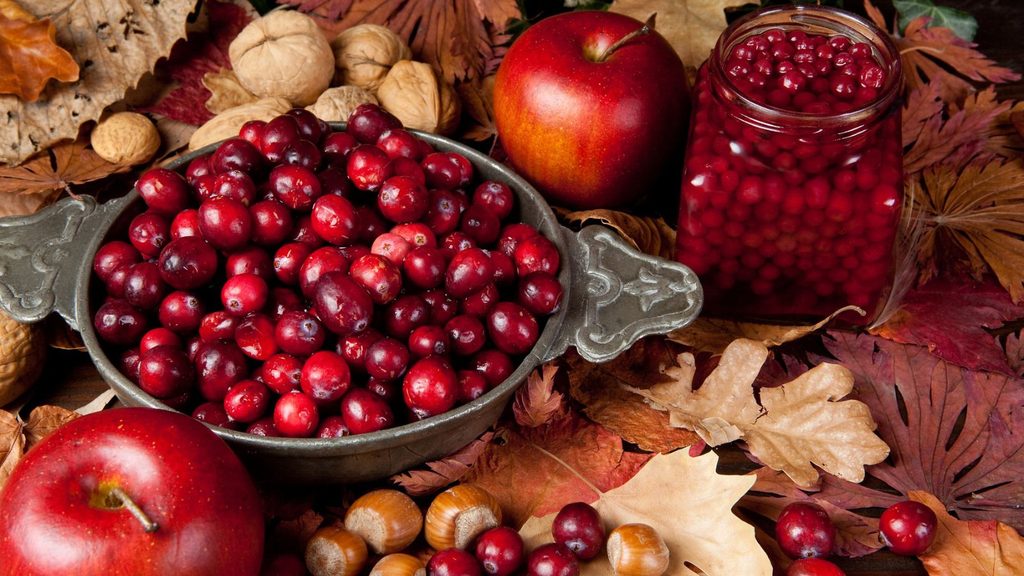
Wisconsin grows the majority of the country’s cranberries, about 61%, with Massachusetts contributing another 26% and New Jersey, Oregon and Washington splitting the rest. Growers wet-harvest most of that crop. They flood the bogs, machines knock the berries loose from the vines and air pockets inside each one make them float to the surface, where workers gather them and load them onto trucks.






The harvest runs roughly from late September through mid-November, which is why fresh, bagged cranberries sit on shelves for only about three months a year. Once that window passes, canned and frozen are the only options left, no matter how far ahead a shopper plans.
Fresh turkey runs on borrowed time
Jennie-O’s own production calendar lines up with the exact weeks happening right now. The company’s director of whole turkey sales says frozen turkey production stays fairly consistent from December through October, then shifts to fresh birds from late October through mid-November, with the plant running through the weekend in the final push to keep up with fresh demand. Butterball describes a similarly compressed timeline, saying it delivers fresh whole turkeys just weeks or days before Thanksgiving because of their short shelf life.
Butterball expects to move about 15 million turkeys nationwide this season, with heavier volumes going to the East Coast, California, Arizona and the Midwest. Frozen birds make up the bulk of holiday shipments because they can be stored and shipped months ahead of demand. Fresh is different. A brief, precisely timed run leaves little room for waiting.
One state grows most of the country’s crop
North Carolina has produced more than half the country’s sweet potatoes in most recent years. The state’s harvest keeps climbing, too. County-level data show North Carolina growers produced nearly 18.9 million hundredweight in 2025, up from about 13 million the year before, on roughly 92,000 harvested acres. Industry reporting this year points to a 2026 harvest level at or slightly above that.
Unlike canned pumpkin or fresh cranberries, growers can cure and store sweet potatoes for months after harvest, so supply doesn’t disappear as quickly after harvest. Wilson County alone, the state’s top producer, harvested more than 2.3 million hundredweight last year, more than many entire states grow in a season.
What’s actually sitting in the cart
Early shelves don’t mean shoppers need to panic-buy 10 cans of pumpkin. What’s on them right now indicates actual production, not a marketing push. North Carolina’s 2026 harvest, expected to match or slightly exceed last year’s nearly 18.9 million hundredweight, is still moving through stores on a calendar nobody controls. Buying a few of these staples this month is just shopping while they’re actually in season, not getting ahead of anything.
Jennifer Allen is a retired professional chef and long-time writer. Her work appears in dozens of publications, including MSN, Yahoo, The Washington Post and The Seattle Times. These days, she’s busy in the kitchen developing recipes and traveling the world, and you can find all her best creations at Cook What You Love.
The post Thanksgiving staples are showing up early this year, and shortages aren’t the reason appeared first on Food Drink Life.
(0) comments
Welcome to the discussion.
Log In
Keep it Clean. Please avoid obscene, vulgar, lewd, racist or sexually-oriented language.
PLEASE TURN OFF YOUR CAPS LOCK.
Don't Threaten. Threats of harming another person will not be tolerated.
Be Truthful. Don't knowingly lie about anyone or anything.
Be Nice. No racism, sexism or any sort of -ism that is degrading to another person.
Be Proactive. Use the 'Report' link on each comment to let us know of abusive posts.
Share with Us. We'd love to hear eyewitness accounts, the history behind an article.