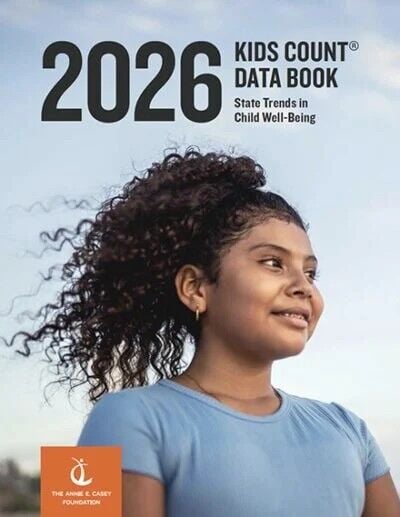

Alabama has improved slightly in overall child well-being, according to a national study.
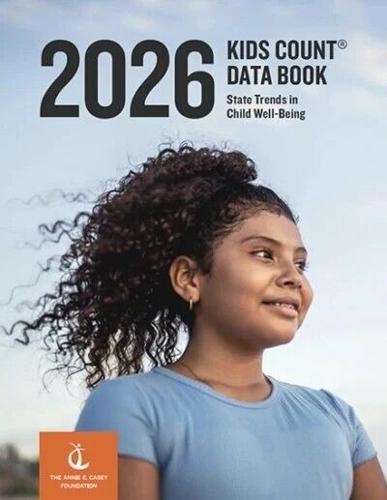
The 2026 KIDS COUNT® Data Book, released today by the Annie E. Casey Foundation, shows Alabama moved up one spot nationally to 42nd.
The report highlights relative stability in several key indicators during a period when many states experienced steeper declines following the COVID-19 pandemic.
Education remained Alabama’s strongest category, ranking 37th nationally. While education outcomes declined nationally following the pandemic, Alabama’s education indicators remained comparatively more stable than many states during the 2019–2024 period.
VOICES noted that recent statewide initiatives, including the Alabama Literacy Act and Alabama Numeracy Act, have helped support the state’s children.
The report also showed improvement in Alabama’s Family & Community indicators between 2019 and 2024, including lower teen birth rates, fewer children living in concentrated poverty and more children living in households with adults who have at least a high school diploma.
Health indicators reflected a mixed picture. Alabama saw modest improvements in low birth-weight rates and child and teen death rates, but the percentage of children without health insurance increased from 3% to 4%.
Housing affordability also remains a growing concern, with the share of children living in households spending more than 30% of income on housing rising from 24% to 26%.
“While challenges remain, the data show that strategic, long-term investments can make a difference for children and families,” said Dr. Tracye Strichik, executive director of VOICES for Alabama’s Children. “The Data Book reflects both encouraging signs of stability and areas where continued focus and investment are still needed to improve long-term outcomes for Alabama children.”
Now in its 37th year, the annual 50-state report examines 16 indicators across four domains — economic well-being, education, health, and family and community factors — using data from 2019 to 2024.
VOICES also produces the Alabama Kids Count Data Book, which provides county-level child well-being data and analysis specific to Alabama communities.
“While Alabama has made progress in some areas, the data also remind us that too many children and families continue to face significant barriers to success,” said Apreill Hartsfield, Director of Policy, Advocacy & Research at VOICES for Alabama’s Children. “The Data Book helps us better understand where progress is occurring, where challenges remain and where strategic investments and policy decisions can make the greatest difference for children.”
The 2026 KIDS COUNT Data Book will be available at www.aecf.org/databook.

(0) comments
Welcome to the discussion.
Log In
Keep it Clean. Please avoid obscene, vulgar, lewd, racist or sexually-oriented language.
PLEASE TURN OFF YOUR CAPS LOCK.
Don't Threaten. Threats of harming another person will not be tolerated.
Be Truthful. Don't knowingly lie about anyone or anything.
Be Nice. No racism, sexism or any sort of -ism that is degrading to another person.
Be Proactive. Use the 'Report' link on each comment to let us know of abusive posts.
Share with Us. We'd love to hear eyewitness accounts, the history behind an article.