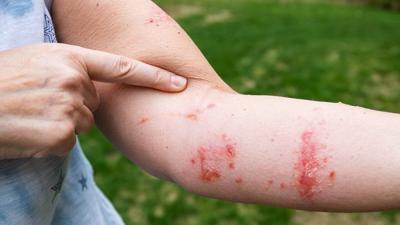

6 ways to get rid of poison ivy rash symptoms fast
For many people, warm weather brings more time outside. But it can also bring itchy skin from bug bites, allergies, and poison ivy.
Poison ivy rash can be very uncomfortable, especially if it covers a large area of your body. And it can take weeks to go away completely. Unfortunately, there’s no way to get rid of a poison ivy rash immediately — but there are things you can do to help relieve the itch.
GoodRx, a platform for medication savings, shares six treatments that will relieve poison ivy symptoms fast.
Key takeaways:
- Poison ivy rash is a painful, itchy rash caused by an allergic reaction to the oil on poison ivy leaves.
- There’s no way to get rid of poison ivy rash overnight, but treatments work fast to lessen discomfort.
- Over-the-counter treatments that provide quick relief to poison ivy symptoms include cold compresses, calamine lotion, hydrocortisone cream, and oatmeal baths.
1. Calamine lotion
Many people have childhood memories of this bubblegum-colored lotion. Calamine lotion has been around for a long time because it works wonders to stop itching.
As it dries on the skin, it creates a cooling sensation that can quickly relieve itching. It also helps to dry out blisters and protect skin from further injury caused by scratching.
Here’s how to use calamine lotion for quick poison ivy symptom relief:
- Wash your skin with warm water and gentle soap.
- Gently pat the rash dry — don’t scrub.
- Shake the bottle.
- Use a cotton ball or clean cloth to dab calamine lotion over your rash.
- Wait for the calamine lotion to dry.
You can use calamine lotion whenever you feel itchy.
Check the ingredients label on the calamine product before you buy it. Some brands of calamine lotion contain additional ingredients, like diphenhydramine (Benadryl). Combination products may not be suitable for people with certain medical conditions or young children.
2. Oatmeal baths
Oatmeal baths are another home remedy with a long history of treating itchy skin. Colloidal oatmeal helps relieve minor skin irritation and itching, including itchiness from poison ivy.
You can make an oatmeal bath at home using any uncooked, unflavored oatmeal. Grind about 1 cup into a fine powder, add it to a lukewarm bath, and bathe in the water for 15 minutes to help soothe poison ivy rash. You can also buy ready-to-use colloidal oatmeal bath packets at retail pharmacies and grocery stores.
You take an oatmeal bath whenever you feel itchy.
3. Diphenhydramine (Benadryl)
Diphenhydramine (Benadryl) is an over-the-counter (OTC) medication that helps relieve allergy symptoms, like itching. But it doesn’t work very well when it comes to itching from poison ivy rash.
Diphenhydramine works by blocking histamine release. But the itchy rash caused by poison ivy isn’t caused by histamine release.
The sedating side effects of diphenhydramine, however, can be helpful when you’re trying to go to bed. People find that it’s easier to “ignore” the itching when they take diphenhydramine. The sedating side effects can help you fall asleep more easily when you have a poison ivy rash.
Make sure to follow dosing instructions on the package. Avoid taking diphenhydramine during the daytime because it can make you sleepy.
4. Hydrocortisone cream
Hydrocortisone cream is a topical corticosteroid. It’s available OTC as a lotion or ointment. Steroid creams lower inflammation and swelling. This helps relieve itching and other poison ivy symptoms.
You can apply hydrocortisone cream to your rash up to four times a day for a week. Stopping steroid cream after a week can help you avoid side effects.
Talk with a healthcare professional before using steroid creams on your face. Steroid creams can damage and thin the delicate skin on your face.



5. Cold compresses
Cold temperature can temporarily numb nerve endings in the skin, which will relieve itching. Try soaking a washcloth in cold water. Wring it out and gently apply to your itchy skin for 15 to 20 minutes at a time. You can use a cool compress anytime you feel itchy.
You can use ice or a frozen pack instead of a cool compress. Just make sure to wrap it in a cloth before applying it to your skin. Ice or other frozen items can cause damage if you apply them directly to your skin.
Take a cool shower if you have a poison ivy rash over a large area. The cool water can also help relieve itchiness and swelling.
6. Burow’s solution
Burow’s solution is an OTC astringent that contains aluminum. It’s available under several brand names and can be found in most retail pharmacies. It can help keep your rash clean and dry when poison ivy blisters pop and start to weep.
Burow’s solution often comes in packets that you need to dissolve in cool water. You can then soak your rash in the solution for 15 to 30 minutes. You can also soak a clean cloth in the solution and then place the cloth over your rash.
You can use a Burow’s solution soak three to four times a day.
How can you stop poison ivy rash from spreading?
Poison ivy rash spreads when the oil from the plant touches your skin. The rash isn’t contagious. So once you get rid of all traces of the plant oil, the rash shouldn’t spread.
The oil from poison ivy can stick to the skin, under fingernails, on clothing and pet fur. To prevent a poison ivy rash from spreading:
- Take off any clothes that may have touched the plant.
- Wash your skin with soap and water. Repeat a few times.
- Clean underneath your fingernails, where oil can get trapped.
- Wash clothing and shoes before using again (and use gloves to handle until you do).
- Bathe pets if they spend time outdoors near poison ivy.
When should you get medical care for poison ivy?
Most of the time, poison ivy rash can be treated at home. But there are some cases where it’s best to see a healthcare professional. Get medical care for poison ivy if:
- The poison ivy rash is on your face or genitals.
- The rash is over large areas of skin.
- Itching isn’t relieved with at-home treatment.
- You have other symptoms, like fevers, chills, difficulty breathing, nausea, or headache.
You may need to take oral steroids (by mouth) if the rash is very large or involves a sensitive area like the face, hands, feet, or groin. Oral steroids, like prednisone or methylprednisolone, are prescription medications that reduce swelling, itching, and redness from poison ivy rash.
You should also get medical care if you think your skin might be infected. Scratching itchy skin can introduce bacteria that cause infection. See your healthcare professional if the rash is getting worse or has yellow or thick drainage (pus) coming from it.
Frequently asked questions
How do you identify the poison ivy plant?
A helpful way to identify the poison ivy plant is the saying “leaves of three, let it be.” While poison ivy isn’t the only plant with three distinct leaves, this general rule of thumb lets you err on the side of caution. Poison ivy can grow as a climbing vine or spread low through grass. The leaves are shiny and green (though the color changes with the seasons), and the middle leaf is bigger than the other two.
How long does it take a poison ivy rash to show up?
If you’ve had poison ivy rash before, symptoms can start within a few hours of another exposure to urushiol. But if it’s your first time getting poison ivy, it can take a few days or even weeks for itchiness and redness to show up.
Is everyone allergic to poison ivy?
No, not everyone is allergic to poison ivy. But most people do have an allergic reaction when they come into contact with urushiol — the oil in poison ivy (along with poison oak and sumac) that causes an allergic reaction.
The bottom line
The rash from poison ivy can be itchy and uncomfortable. There’s no way to cure poison ivy rash immediately, but there are lots of ways to lessen symptoms and prevent the oil from spreading. OTC treatments like calamine lotion, colloidal oatmeal baths, and hydrocortisone cream are all proven remedies for treating poison ivy. Get medical care for serious cases of poison ivy, or if the rash is getting worse.
This story was produced by GoodRx and reviewed and distributed by Stacker.

(0) comments
Welcome to the discussion.
Log In
Keep it Clean. Please avoid obscene, vulgar, lewd, racist or sexually-oriented language.
PLEASE TURN OFF YOUR CAPS LOCK.
Don't Threaten. Threats of harming another person will not be tolerated.
Be Truthful. Don't knowingly lie about anyone or anything.
Be Nice. No racism, sexism or any sort of -ism that is degrading to another person.
Be Proactive. Use the 'Report' link on each comment to let us know of abusive posts.
Share with Us. We'd love to hear eyewitness accounts, the history behind an article.