




Photo by Steppe Walker via Pexels
By Amy Reast
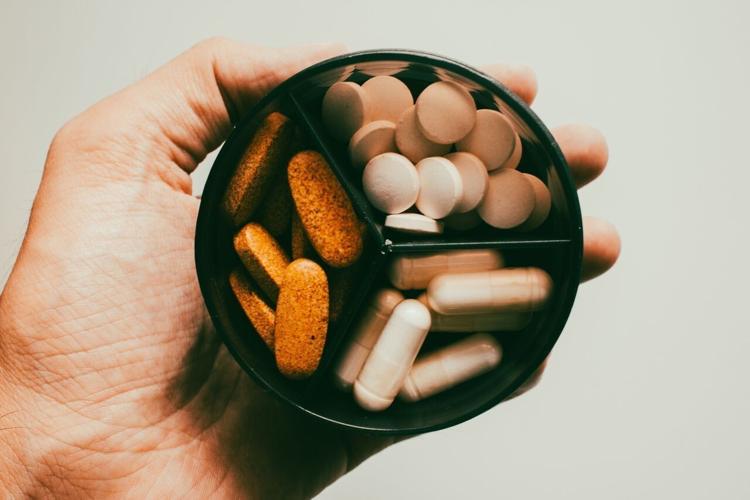
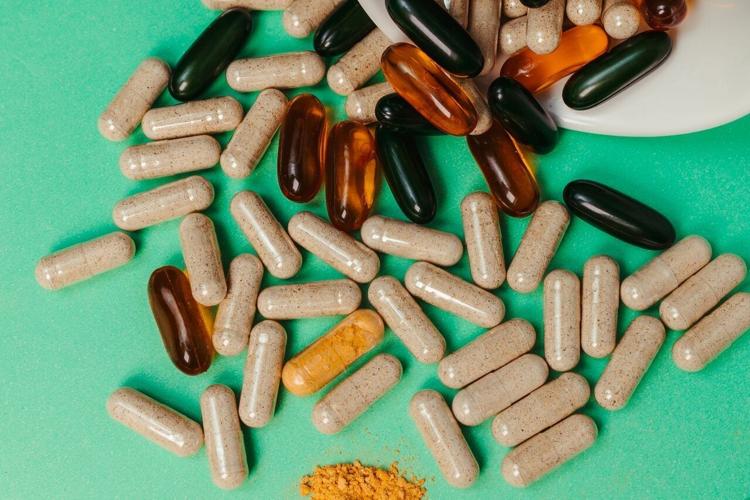
A women's health specialist says the menopause supplement industry is "preying on vulnerable women" — and that a budget multivitamin is better than most supplements aimed at menopausal women.
A new Which? report revealed last week that many menopause-specific supplement pills are no better than a standard multivitamin.
Kate Davies, 54, a clinical lead for women's health, shared what products to avoid — and what to buy instead.
She said there are known and accepted benefits to taking vitamin D supplements. But beyond that, women should prioritize a balanced and active lifestyle over pricey supplements that promise to solve all their problems.
She said an absolute no-no of hers is any collagen supplement — for which she "can't find any evidence at all."
Kate said social media promotion and influencers promoting products are "creating the monster" and accused manufacturers of "capitalizing on menopausal women's problems" — with little evidence.
The health professional from One Day Tests said: "It's amazing we're talking about menopause so much, and we should be.

Photo by RDNE Stock project via Pexels
"But the bad thing to come out of it is the monetization; my patients will list off reams of supplements they're taking.
"Women see these supplements and think they will be the answer to their problems, buying into the premise and lifestyle. And they look nice, and you want them on your shelves.
"But if you find a supplement that claims to cover all the bases, there won't be the recommended amount of individual ingredients in it.
"At that point, a basic, off-the-shelf multivitamin would provide everything you want.
"The best thing is just to have a well-balanced diet: a good amount of protein, reduced refined carbs, red meat once or twice a week, whole grains, good leafy vegetables, and some nuts and seeds.
"I understand people taking supplements because of a need for simplicity — but a well-balanced diet, exercise, a multivitamin, and a vitamin D supplement... could it be more simple?
"Often, women going through menopause are looking for the 'missing puzzle piece' to fix things. Unfortunately, there is no single answer — just be as healthy as you can be."






Prior to qualifying as a menopause specialist, Kate was an NHS nurse consultant working in fertility.

Photo by cottonbro studio via Pexels
She said she saw a similar booming supplement industry there, which drew women to spend thousands a year on supplements without proven benefits in the hope they would improve fertility.
She now sees a similar trend with women going through perimenopause and postmenopause — and said she finds it frustrating.
The Which? report explained that adding the term "menopause" to the front of a standard supplement is often an excuse to inflate the price.
It revealed that menopause supplements are indeed very often just expensive multivitamins. Many of the added botanical ingredients had little evidence to justify them, and the active ingredients were at levels too low to be beneficial.
Kate said: "There are some supplements that we know are useful, like vitamin D, but most supplements are not generally tested like medicines are, through randomized trials to prove their benefits.
"So aside from vitamin D, I tell women that they are literally peeing their money down the drain — the kidneys filter most things out, and it goes into their urine."

Photo by Jonathan Borba via Pexels
She said collagen supplements are a no-no — as are gummies that claim to contain anything, as they are just "full of sugar," a point with which the Which? report agreed.
Kate said anything like iron, magnesium, or zinc should only be taken after a blood test to check whether you actually need it.
She added: "Social media is definitely creating a monster. All these supplement brands on Instagram...
"I've even seen normal women becoming influencers and launching their own supplements. And brands use the power of influencers to promote their products.
"I've even bought things from Instagram and TikTok like that before — it's definitely creating the monster.
"But they all have their affiliate links and commissions. The best thing to do is go to a doctor for blood tests to see what you need.
"You wouldn't buy a house without looking around it, so why take supplements without checking your health first?"
(0) comments
Welcome to the discussion.
Log In
Keep it Clean. Please avoid obscene, vulgar, lewd, racist or sexually-oriented language.
PLEASE TURN OFF YOUR CAPS LOCK.
Don't Threaten. Threats of harming another person will not be tolerated.
Be Truthful. Don't knowingly lie about anyone or anything.
Be Nice. No racism, sexism or any sort of -ism that is degrading to another person.
Be Proactive. Use the 'Report' link on each comment to let us know of abusive posts.
Share with Us. We'd love to hear eyewitness accounts, the history behind an article.