



Photo by Nadezhda Moryak via Pexels
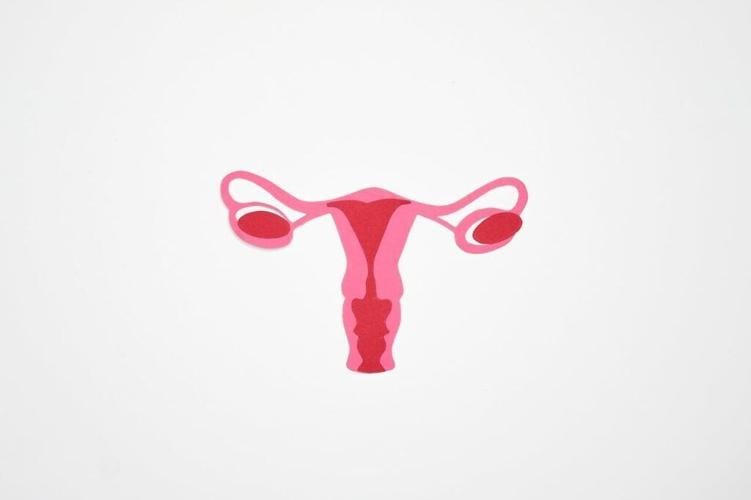
Ovarian cancer is the eighth most common cancer in women, and the World Ovarian Cancer Coalition has predicted that by 2050, 8 million women will die from the disease.
However, understanding of the disease is still limited, with the NHS stating there are "systemic injustices" in the diagnosis and treatment of ovarian cancer, as survival rates are impacted by where you live and your age.
And now a new study by researchers at the University of Iowa has found physical symptoms of ovarian cancer are often being misclassified as depression, which is having a knock-on effect on treatment.
These symptoms include loss of appetite, fatigue and cognitive impairment.
The research states "ovarian cancer, often diagnosed at an advanced stage, presents with substantial pre-treatment symptom burden — including fatigue, appetite loss, pain, and sleep disturbance — that can mimic depressive symptoms."
Published in the journal Cancer, the research proved in many cases these symptoms often subside after the first year of diagnosis as treatment continues.
This indicates that the symptoms were caused by the disease, rather than ongoing depression.







Photo by Anna Tarazevich via Pexels
After studying 428 ovarian cancer patients, the research concluded the symptoms of ovarian cancer were making patients seem more depressed than they were.
Because of this, misclassifying cancer symptoms as symptoms of depression was common, which can lead to improper treatment and therapies for patients.
Authors concluded the physical symptoms of ovarian cancer "may disproportionately inflate depression scores among patients with ovarian cancer at diagnosis, which may potentially lead to misclassification or overestimation of depression severity."
However, it's important to note that a bidirectional relationship between the two does exist, meaning cancer diagnosis and treatment can cause depression, the study said.
This overlap makes distinguishing and subsequently treating the two effectively difficult.
Researchers are now calling for new diagnosis tools that can better differentiate the two, saying that current depression diagnosis tools were not designed for people with cancer.
“When people are endorsing symptoms for another reason, say cancer, it makes that number go up, even though they’re not actually severely depressed,” Telles, a researcher and doctoral candidate at the University of Iowa, told Medscape. “They’re dealing with the cancer burden.”

(0) comments
Welcome to the discussion.
Log In
Keep it Clean. Please avoid obscene, vulgar, lewd, racist or sexually-oriented language.
PLEASE TURN OFF YOUR CAPS LOCK.
Don't Threaten. Threats of harming another person will not be tolerated.
Be Truthful. Don't knowingly lie about anyone or anything.
Be Nice. No racism, sexism or any sort of -ism that is degrading to another person.
Be Proactive. Use the 'Report' link on each comment to let us know of abusive posts.
Share with Us. We'd love to hear eyewitness accounts, the history behind an article.