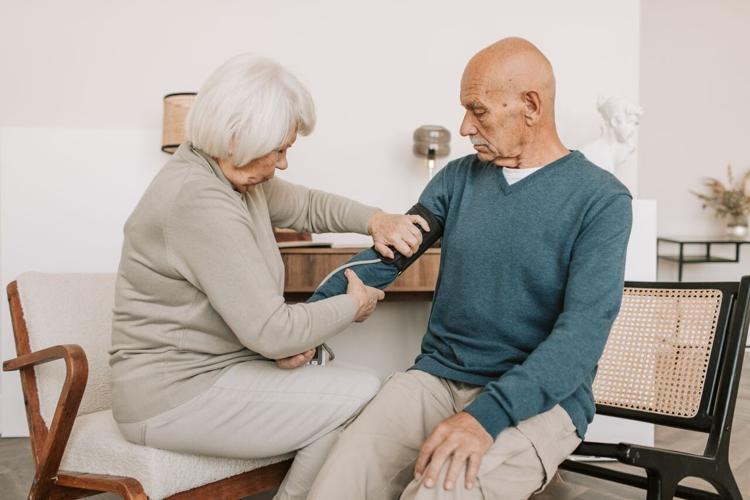







(Photo by Vlada Karpovich via Pexels)
By Stephen Beech
Healthcare preferences vary widely by age and sex in people over the age of 50, reveals new research.
Women were more likely than men to want to avoid risks, prioritize quality of life over length of life and avoid experimental treatments, according the findings.
They were also less likely to want to defer treatment decisions to doctors.
Adults ages 75 and over were more likely than those ages 50 to 64 to want to avoid risks, prioritize body function over appearance, avoid experimental treatments and leave treatment decisions to doctors.
The study, published in the journal PLOS One, used data from healthcare preference questionnaires completed by 6,098 adults ages 50 and over in England.
Study leader Nicholas Steel, of the University of East Anglia, explained that, despite agreement among clinicians about the importance of integrating patient preferences into routine healthcare decision-making, progress in the area has been slow.
Few decision-making aids — such as educational materials to help patients understand complex medical information and consider treatment options — have been developed specifically for older adults.

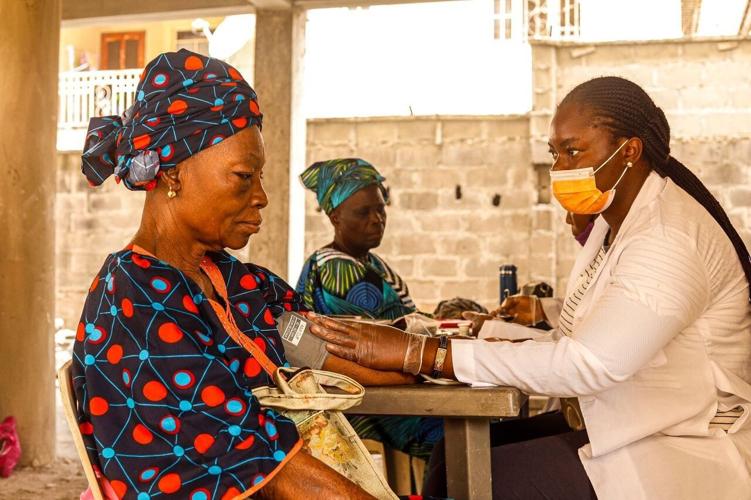
(Photo by Lagos Food Bank Initiative via Pexels)
The research team used data from the English Longitudinal Study of Ageing (ELSA), a nationally representative biennial survey of people living in private households in England.
Participants ages 50 and over answered at least one of the six healthcare preference questions and were included in the new analysis.
The questions covered risk aversion, weighing present versus future quality of life, quality versus length of life, body function versus appearance, openness to experimental treatments and preference to leave treatment decisions to a doctor.
The study was limited to hypothetical preferences that have not been tested against real healthcare decisions.
But the research team concluded that there are "systematic differences" in healthcare preferences by age and sex, which may offer a useful starting point for doctors seeking to elicit patient preferences.
Steel said: "Women were significantly more likely to prioritize quality of life over length of life and less likely to want doctors to make healthcare decisions on their behalf.
"They were also more cautious about risks and less willing to try experimental treatments.







(Photo by Pavel Danilyuk via Pexels)
"Men, meanwhile, were more likely to hand decision-making power to medical professionals and were less likely to put quality of life ahead of simply living longer.
"People aged 75 and over were more likely to avoid risks, reject experimental treatments and leave healthcare decisions to their doctor than those in their 50s and early 60s.
"We also found that older participants were more likely to prioritize how well their body functions rather than how it looks.
"But perhaps the most surprising finding was just how varied people's views were.
"While age, sex and education can offer useful clues about healthcare preferences, every patient's wishes remain unique.
"Understanding those preferences more quickly could improve both patient satisfaction and health outcomes. This work provides a valuable starting point for more personalized care as Britain's population continues to age and healthcare decisions become increasingly complex."
Co-author Dr. Oby Enwo said: "We found that older adults have different views about their health and that age, sex and education each shaped health preferences in different ways.

(Photo by AI25.Studio Studio via Pexels)
"The finding that stood out to me the most was around education — people who had fewer educational opportunities were more likely to leave treatment decisions to their doctors.
"To me, this highlights the need to explore how we can ensure shared decision-making reaches everyone equally.
"I hope our findings emphasize the importance of treating every consultation as a conversation on what matters most to each person."
Co-author James Banks said: "I thought it was interesting and important for us to show just how diverse people's health and healthcare preferences were across different dimensions and that they can't be summarized by a simple one- or two-dimensional measure.
"With patient-centered care being so important, we need more systematic measures of these preferences on an ongoing basis, not just for other populations, but importantly over time so we can see how these preferences change as people get older and as various life-events occur."
He added: "The relationship between education and peoples' preferences regarding types of treatment and also how involved they wanted to be in treatment decisions seemed important and interesting to me.
"I thought it was particularly important to see and document the strong preference, on average, for quality of life over length of life."

(0) comments
Welcome to the discussion.
Log In
Keep it Clean. Please avoid obscene, vulgar, lewd, racist or sexually-oriented language.
PLEASE TURN OFF YOUR CAPS LOCK.
Don't Threaten. Threats of harming another person will not be tolerated.
Be Truthful. Don't knowingly lie about anyone or anything.
Be Nice. No racism, sexism or any sort of -ism that is degrading to another person.
Be Proactive. Use the 'Report' link on each comment to let us know of abusive posts.
Share with Us. We'd love to hear eyewitness accounts, the history behind an article.