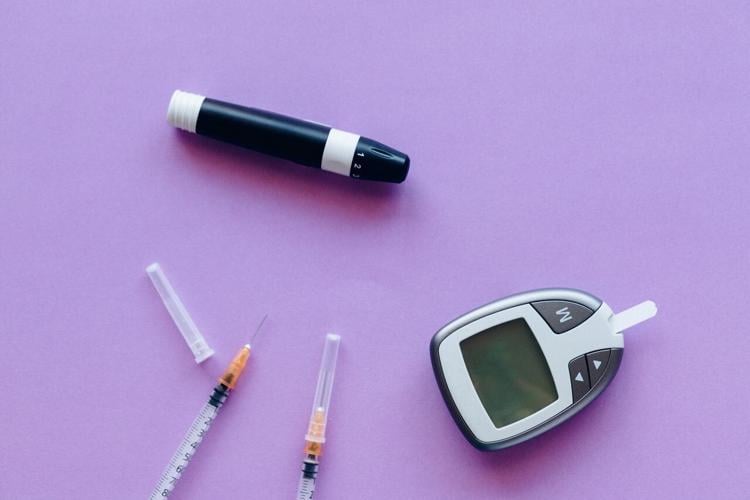



Photo by Nataliya Vaitkevich via Pexels
By Lauren Wilkin
A doctor says health influencers' claims around "insulin resistance" are misleading and the real symptoms are not being shown on TikTok.
Videos of influencers pointing to vague symptoms like bloating and swollen ankles and claiming they're symptoms of insulin resistance are going viral.
The influencers then provide "easy solutions" to "reverse' the disorder, like eating avocados.
But Dr. Tom Davis, a primary care doctor with over a decade of experience, said: "You cannot diagnose a hormone problem by looking at someone's body. Insulin resistance is measured in blood, not judged from a photo."
He starts by explaining what insulin is: "Insulin is a hormone made by the pancreas, and its main job is to act like a key - it lets glucose from your food move out of your bloodstream and into your cells, where it's used for energy.
"Without it working properly, sugar builds up in the blood instead of being used by the body."
Dr. Davis, who's now medical director at Kry in London - a digital healthcare provider - says insulin resistance is when the cells stop responding properly to insulin.
Because of this, "the pancreas has to produce more and more of it just to keep blood sugar normal."

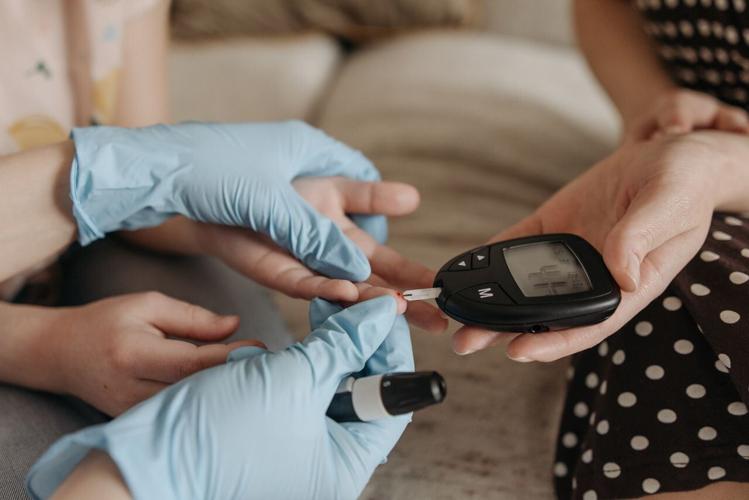
Photo by Pavel Danilyuk via Pexels
"It's genuinely common - Diabetes UK's latest figures show 6.3 million people in the UK are living with prediabetes, largely driven by insulin resistance, and more than 12 million people, one in five UK adults, now have diabetes or prediabetes between them," he said.
However, the primary care doctor says most people don't know they have it.
"It very rarely causes obvious symptoms early on, which is exactly why it's being misrepresented online," he added.
Videos on TikTok show influencers repeating 'insulin resistance' as they point to areas of the body. Some even claim 'I can diagnose you with insulin resistance just by looking at you.'






"You cannot diagnose insulin resistance by looking at someone - not their weight, and certainly not swollen feet, which isn't a recognized symptom of insulin resistance at all," Dr. Davis explains.
"Swelling in the feet has all sorts of far more likely causes, from standing for long periods to circulation issues, and pointing at it and saying 'insulin resistance' is simply inaccurate.
"Body weight is a genuine risk factor, but it's not a diagnosis.
"Plenty of people carrying extra weight have completely normal insulin sensitivity, and plenty of slim people have insulin resistance - it's called TOFI, thin outside, fat inside, and it's a real and under-recognized pattern.
"The only way to actually know is a blood test... not a video pointing at a body."

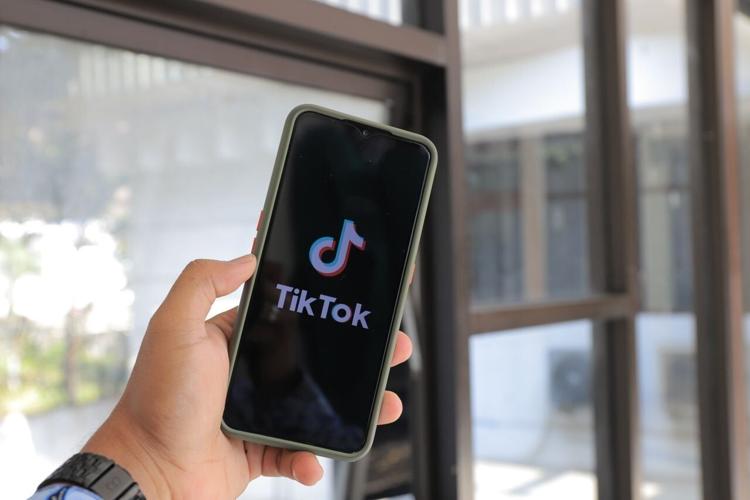
Photo by greenwish _ via Pexels
And the primary care doctor says that the real visual clues aren't the ones going viral.
"It's things like darkened, velvety patches of skin around the neck, armpits or groin, a condition called acanthosis nigricans, which genuinely is linked to insulin resistance.
"That's a far less dramatic, far less shareable sign than 'look at this person's ankles,' which is probably why it doesn't show up in the videos."
But one thing the videos don't overexaggerate is your ability to reverse the effects, Dr. Davis says.
However, many videos claiming certain foods like avocado and olive oil can reverse insulin resistance are incorrect.
"The changes that move the needle aren't exotic," he says.
His advice includes: "Losing excess weight if you're carrying it, particularly around the middle, being more active, especially building some muscle, and improving sleep, which is a very underrated factor in insulin sensitivity.
"The benefit isn't just about avoiding diabetes down the line - people typically also see better energy, fewer sugar crashes, and improvements in blood pressure and cholesterol along the way."
(0) comments
Welcome to the discussion.
Log In
Keep it Clean. Please avoid obscene, vulgar, lewd, racist or sexually-oriented language.
PLEASE TURN OFF YOUR CAPS LOCK.
Don't Threaten. Threats of harming another person will not be tolerated.
Be Truthful. Don't knowingly lie about anyone or anything.
Be Nice. No racism, sexism or any sort of -ism that is degrading to another person.
Be Proactive. Use the 'Report' link on each comment to let us know of abusive posts.
Share with Us. We'd love to hear eyewitness accounts, the history behind an article.