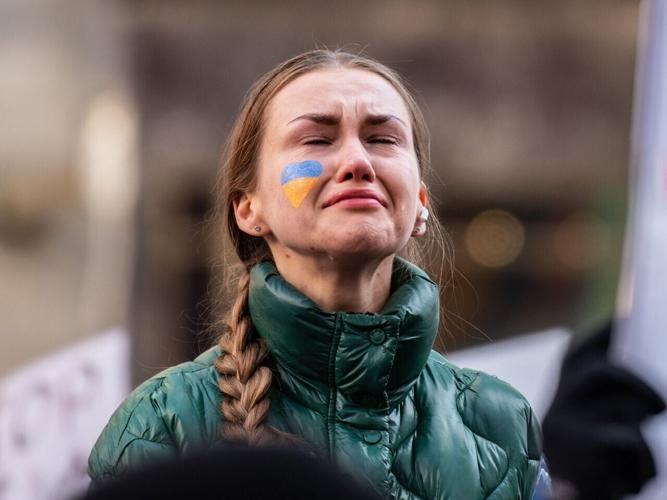


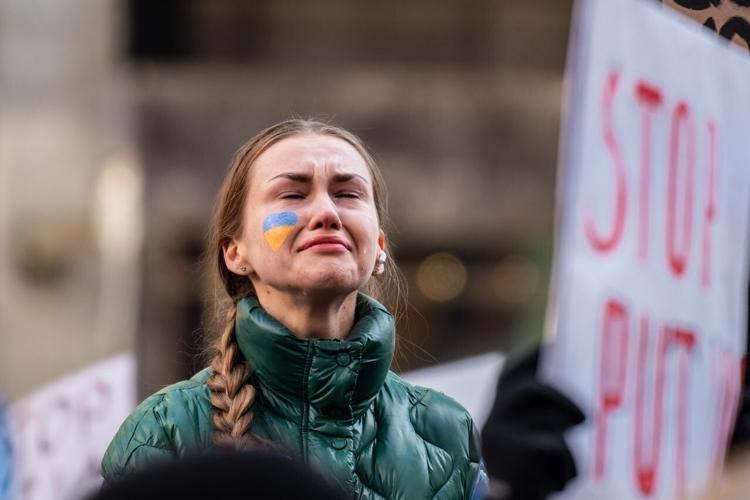



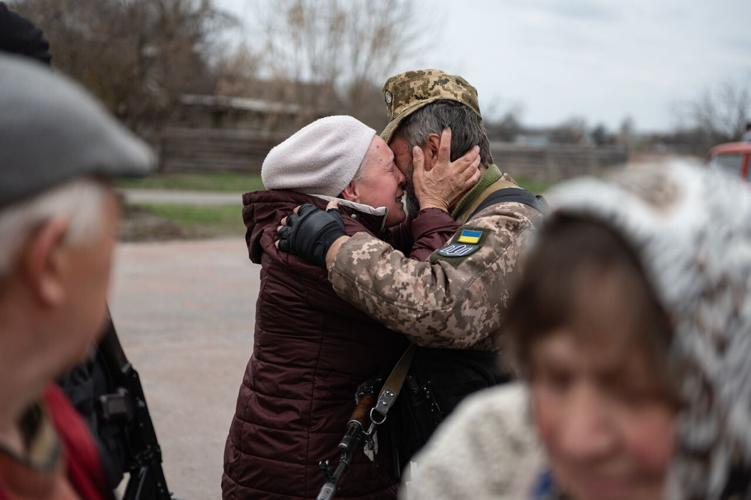

(Photo by Yunus Erdogdu via Pexels)
By Stephen Beech
Nearly one in three Ukrainian civilians is suffering from post-traumatic stress disorder (PTSD), reveals a new study.
Researchers say their findings indicate the cumulative effect of bombing, displacement, bereavement and uncertainty on the mental health of the population of the war-torn country.
The survey of more than 2,500 people living in government-controlled regions of Ukraine provides a stark illustration of the psychological impact of the war that began when Russia invaded in February 2022.
The findings show that 31.2% of respondents met the criteria for PTSD or complex PTSD (CPTSD).
The international research team explained that people living in conflict zones are at a heightened risk of traumatic experiences, such as physical violence, forced displacement and the loss of loved ones.

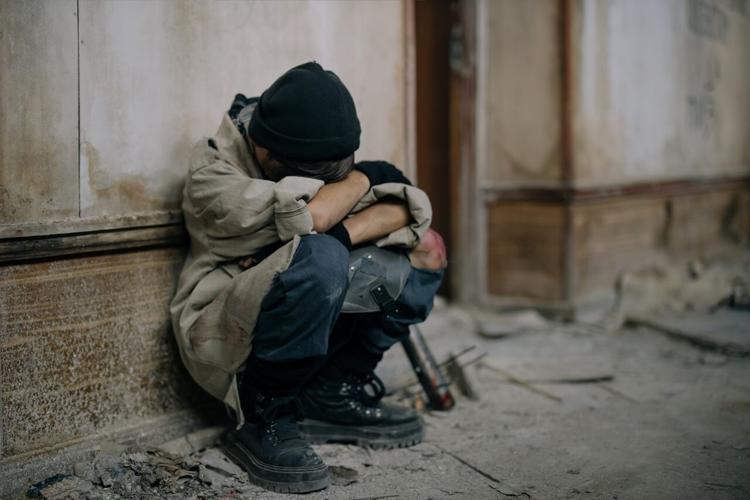
(Photo by cottonbro studio via Pexels)
PTSD can develop after experiencing or witnessing trauma, causing persistent symptoms including intrusive memories, anxiety, irritability and sleep problems.
CPTSD is a related but more severe condition that typically follows prolonged or repeated trauma, such as chronic abuse or captivity.
The findings, published in the European Journal of Psychotraumatology, indicate that PTSD and CPTSD are common among Ukrainian civilians.
Study senior author Dr. Deirdre MacManus said: "A decade of Russian aggression, followed by a full-scale invasion in February 2022, has placed a profound psychological burden on the population.
"Many people continue to face the threat of shelling, displacement, bereavement and uncertainty in their daily lives, highlighting the urgent need for sustained mental health support."
MacManus, a clinical reader in forensic psychiatry at King's College London (KCL), added: "What stands out most from these findings is the sheer scale of trauma exposure.

(Photo by Derek French via Pexels)
"The vast majority of people we surveyed had experienced multiple traumatic events across their lives, and many had also been directly affected by the ongoing war through displacement, bereavement, destruction of their communities, or concern for loved ones.
"Despite this, many Ukrainians continue to function and adapt in extraordinarily challenging circumstances."






Co-author Volodymyr Kulyk, from Kyiv School of Economics, said: "It is important to keep in mind that PTSD and CPTSD are not limited to veterans or people close to combat zone but also are widespread among other categories of people heavily affected by the war, such as internally displaced persons, people who suffered from missiles and drones attacking their cities and towns far from frontline, and those taking care of wounded or traumatized people."
The survey of 2,504 adults showed that most participants reported high levels of exposure to lifetime and war-related traumatic events, including fires or explosions, shelling, destruction caused by the war, and the injury, displacement, disappearance or death of family members or other loved ones.
One in four (25.2%) met the criteria for PTSD while 6% met the criteria for CPTSD.

(Photo by LiliÄna LegzdiÅa via Pexels)
Factors associated with a greater likelihood of PTSD or CPTSD included being female, older age, lower educational attainment, previous military service, displacement due to the war, and a greater number of lifetime traumatic events and war-related stressors.
Being single was the only factor specifically associated with CPTSD rather than PTSD.
Study lead author Emma Facer-Irwin, a child and adult clinical psychologist and clinical lecturer at KCL, said: "One finding we found particularly interesting was that PTSD was much more common than complex PTSD in this representative national sample.
"This may suggest that psychological responses to ongoing war do not always fit neatly into models developed in post-conflict settings.
"When the threat remains active and unpredictable, the ways people experience and adapt to traumatic stress may be different, and this is an important area for future research."
Kulyk added: "As pressure on Ukraine's health system grows and uncertainty around future humanitarian support increases, understanding the prevalence of PTSD and complex PTSD is essential for planning both immediate and long-term mental health services.

(Photo by Dmitry Zvolskiy via Pexels)
"Further research will be essential to understand how the psychological impact of the war develops among the general population evolve as the conflict continues.
Principal investigator Gwedolyn Sasse: "As a collaborative, we were acutely aware of the need to expand the discussion about resilience in wartime into sound empirical research on trauma.
"Our hope is that our results help inform both immediate and long-term investment in mental health services in Ukraine.
"Trauma-focused treatments are important, but our findings also highlight the value of community support, social connection and population-level mental health initiatives.
"As the war continues, supporting the psychological well-being of civilians must remain a public health priority."
(0) comments
Welcome to the discussion.
Log In
Keep it Clean. Please avoid obscene, vulgar, lewd, racist or sexually-oriented language.
PLEASE TURN OFF YOUR CAPS LOCK.
Don't Threaten. Threats of harming another person will not be tolerated.
Be Truthful. Don't knowingly lie about anyone or anything.
Be Nice. No racism, sexism or any sort of -ism that is degrading to another person.
Be Proactive. Use the 'Report' link on each comment to let us know of abusive posts.
Share with Us. We'd love to hear eyewitness accounts, the history behind an article.