
Stem cell therapy for cerebral palsy moves closer to US trials
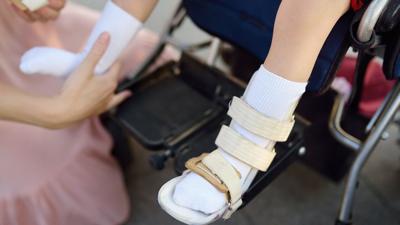
Cerebral palsy affects roughly 1 in 345 children in the United States. About 764,000 children and adults live with the condition. Standard treatment focuses on managing symptoms through physical therapy, medications, and assistive devices. None of these treatments repairs the brain injury at the root of the condition.
For families, this has meant a long wait for something better. In February 2026, a development out of Japan offered a reason to pay attention, Cerebral Palsy Center reports.
Baby Teeth as a Source of Brain-Repairing Stem Cells
Here's where the science gets interesting. Most people associate stem cell therapy with bone marrow or umbilical cord blood. Kidswell Bio took a different route entirely. Their platform uses SHED cells, which stands for stem cells from human exfoliated deciduous teeth. In plain English: Stem cells pulled from the baby teeth your kid leaves under the pillow.
SHED cells belong to a category called mesenchymal stem cells, and preclinical research has shown they can reduce inflammation, support blood vessel growth, and help neural cells survive. The idea isn't that these cells rebuild damaged brain tissue from scratch. Instead, they may create conditions in the brain that are more favorable for natural recovery and neuroplasticity, which is the brain's ability to rewire itself after injury.
For a condition like cerebral palsy, where the original brain injury typically happens before, during, or shortly after birth, that kind of biological support system could be a game-changer. It's still theoretical at scale, but the early-stage data has been encouraging enough to justify the next step: regulated human trials on U.S. soil.
Why the U.S. Matters for This Therapy
Kidswell Bio didn't form a U.S.-based company just for the prestige of an American address. The United States offers something that's hard to replicate elsewhere: a combination of rigorous FDA oversight, world-class pediatric neurology centers, and clinical research infrastructure built for exactly this kind of work.
By establishing Kidswell USA, the company can work directly with the FDA to design trial protocols, partner with American research institutions, and recruit patients through legitimate, regulated channels. That last part matters more than you might think. The stem cell therapy space has been plagued for years by unregulated clinics selling unproven treatments to desperate families. Pursuing the formal FDA pathway is a deliberate move in the opposite direction, and it's one that lends credibility to the entire program.
Treehill Partners provided the strategic investment backing to make this possible. The financial commitment suggests that both companies see a realistic path to commercialization, not just a research experiment.





What the Timeline Actually Looks Like
Let's be honest about what this announcement does and doesn't mean. It doesn't mean a stem cell treatment for cerebral palsy is around the corner. What it does mean is that the groundwork is being laid for a structured, multi-year process that could eventually lead to FDA approval.
That process includes FDA review and authorization to begin clinical trials, Phase 1 safety studies to confirm the therapy doesn't cause harm, larger efficacy trials to measure whether it actually works, and then a full regulatory evaluation before any commercial availability.
Kidswell's lead program, called SQ-SHED, has already progressed through development phases overseas, with early data pointing to potential motor function improvements in certain pediatric populations. But "early data" and "FDA-approved treatment" are separated by years of work, millions of dollars, and a lot of scrutiny. Families should take the news as a reason for cautious optimism, not as a countdown clock.
The Bigger Picture for Cerebral Palsy Treatment
Kidswell isn't operating in a vacuum. Several U.S. academic centers, including Duke University, have already published research on cord blood infusions for children with cerebral palsy, reporting signs of motor improvement in some groups. Other teams are studying mesenchymal stem cells from bone marrow and cord tissue.
No stem cell product has received full FDA approval specifically for cerebral palsy yet. But the growing number of regulated trials tells you something about where the field is headed. The conversation is shifting from "if" to "when" and "how well."
For now, the most effective cerebral palsy treatment strategy remains what it's been: early intervention therapy, orthopedic monitoring, medication management, nutritional support, and consistent developmental follow-up. Regenerative medicine may eventually add another option to that list. And with Kidswell USA now in the picture, the path to getting there just became a bit more concrete.
Methodology
This article is based on reporting from the Cerebral Palsy Center, industry coverage from The Pharma Letter and Citeline Scrip, and publicly available information from Kidswell Bio regarding its cell therapy development program. Background data on cerebral palsy prevalence and existing treatment modalities were gathered through a survey conducted via Pollfish and supplemented by published medical literature. Clinical trial status was cross-referenced with ClinicalTrials.gov records as of February 2026.
This story was produced by Cerebral Palsy Center and reviewed and distributed by Stacker.

(0) comments
Welcome to the discussion.
Log In
Keep it Clean. Please avoid obscene, vulgar, lewd, racist or sexually-oriented language.
PLEASE TURN OFF YOUR CAPS LOCK.
Don't Threaten. Threats of harming another person will not be tolerated.
Be Truthful. Don't knowingly lie about anyone or anything.
Be Nice. No racism, sexism or any sort of -ism that is degrading to another person.
Be Proactive. Use the 'Report' link on each comment to let us know of abusive posts.
Share with Us. We'd love to hear eyewitness accounts, the history behind an article.