







Colin Davis
By Stephen Beech
Cocaine rewires the brain of former addicts to trigger a relapse, according to new research.
The breakthrough might lead to better treatments for drug addiction, say scientists.
The study suggests that when a cocaine addict relapses, it isn’t a matter of personal failure but rather it’s the biological result of their brain’s rewiring,
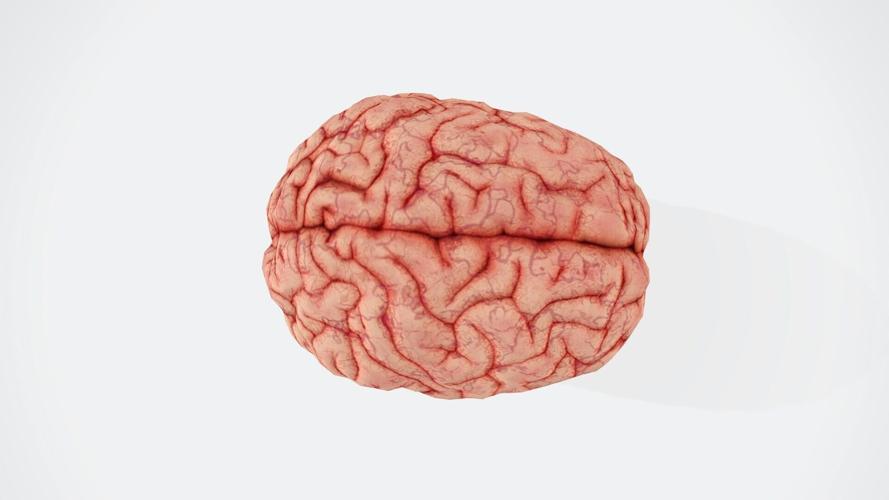
Scientists found that cocaine changes how the hippocampus region of the brain functions, contributing to the ongoing compulsion to seek out the drug.
The study, published in the journal Science Advances, not only explains why cocaine addiction is notoriously difficult to treat, but it could also help researchers develop new pharmaceutical therapies.
Senior author Professor Alfred Robison, of Michigan State University, said: “Addiction is a disease in the same sense as cancer.
“We need to find better treatments and help people who are addicted in the same sense that we need to find cures for cancer.”

BUDDHI Kumar SHRESTHA
He explained that people who stop taking cocaine don’t experience the same physical withdrawal symptoms that opiates cause, but that doesn’t mean it’s easy to quit.
Robison says the drug hijacks the brain, flooding the reward centres with dopamine.
He said the positive reinforcement tricks the brain into feeling like it’s doing something good instead of destructive.
Even if someone successfully quits cocaine , the odds aren’t in their favor.
Around one-in-four (24%) relapse to weekly use, while another 18% return to a treatment programme within a year.
Study lead author Dr. Andrew Eagle found a key player responsible for the compulsion - a protein called DeltaFosB.
He used a specialised form of CRISPR technology to examine the role the protein plays in specific brain circuits when mice were exposed to cocaine.







Colin Davis
Using mouse models, he learned that the protein acts like a "switch" - turning genes on and off in the circuit between the brain’s reward centre and the hippocampus, the brain’s memory hub.
The researchers said that the longer someone uses cocaine, the more the protein accumulates in the circuit.
The protein changes how the neurons function, altering how the circuit responds to cocaine.
Dr. Eagle said: “This protein isn’t just associated with these changes, it is necessary for them.
“Without it, cocaine does not produce the same changes in brain activity or the same strong drive to seek out the drug.”
The research team also found another group of genes controlled by DeltaFosB after chronic cocaine use.
One of those genes, called calreticulin, helps regulate how neurons communicate with each other.
The research team found that calreticulin contributes to revving the brain’s engine to compulsively seek out more cocaine.

Matthew Mejia
They say their findings in mice could have "direct applications" to humans, who share many of the same genes and similar circuits.
Robison’s lab is partnering with researchers at the University of Texas Medical Branch to create compounds that target DeltaFosB. T
Robison said: “If we could find the right kind of compound that works in the right way, that could potentially be a treatment for cocaine addiction."
He added: “That’s years away, but that’s the long-term goal.”
Robison’s team are next planning lab to examine how hormones impact brain circuits, and whether cocaine affects the male and female brain differently.
He said the work could help explain biological differences in addiction risk between men and women.



(0) comments
Welcome to the discussion.
Log In
Keep it Clean. Please avoid obscene, vulgar, lewd, racist or sexually-oriented language.
PLEASE TURN OFF YOUR CAPS LOCK.
Don't Threaten. Threats of harming another person will not be tolerated.
Be Truthful. Don't knowingly lie about anyone or anything.
Be Nice. No racism, sexism or any sort of -ism that is degrading to another person.
Be Proactive. Use the 'Report' link on each comment to let us know of abusive posts.
Share with Us. We'd love to hear eyewitness accounts, the history behind an article.