Fish in a can used to be the lunch people settled for when plans fell apart. Now, tinned seafood shows up in glossy jars and boldly flavored tins that look just as comfortable on a dinner table as they do in a scroll-stopping photo. With booming sales and a smarter approach to pantry cooking, preserved fish has become the ingredient that rescues dinner and still gets people asking where it came from.
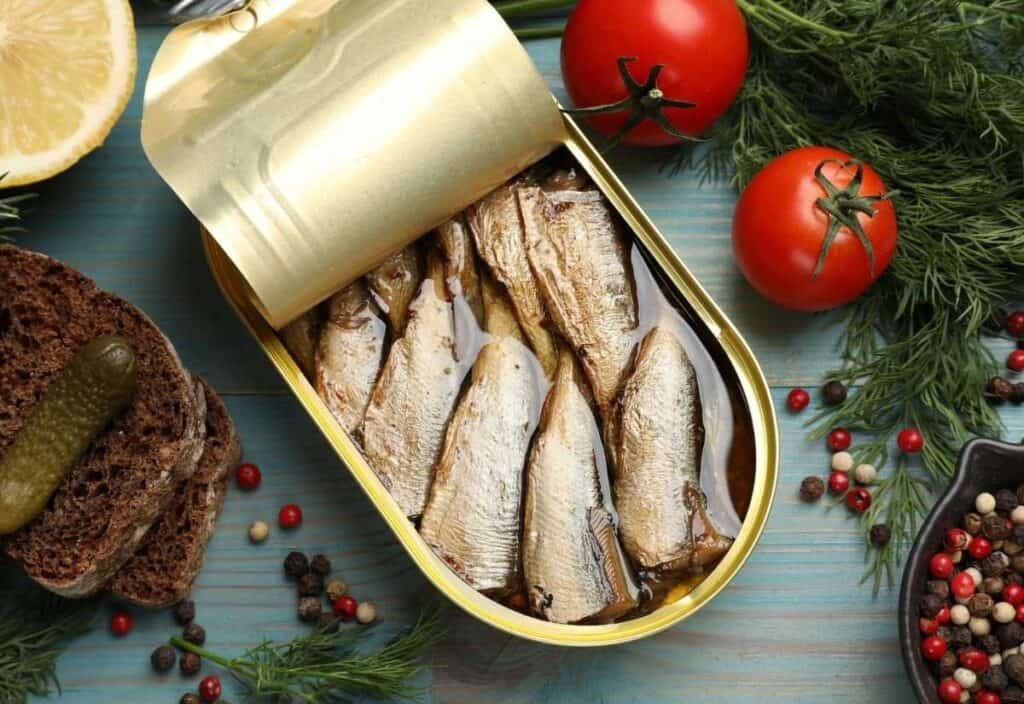
As tinned fish gets more polished on the shelf, the payoff hits the second the lid pops. Instead of limp flakes swimming in oil, today’s cans reveal solid cuts paired with thoughtful flavor pairings that skip the prep entirely and dare you to eat them straight from the tin.
Premium tinned seafood is booming
Premium tinned seafood is gaining ground fast, and the numbers back it up. The global canned seafood market reached about $35.77 billion in 2024, and analysts expect steady growth of roughly 3.5% a year through 2030. That momentum ties to changing eating habits, with more people looking for reliable pantry options that still feel special.
Chefs and home cooks now treat preserved fish as a smart shortcut rather than a last resort. A single tin can turn into a polished meal with little prep, fitting busy schedules without giving up flavor. Social media has helped fuel the interest, especially on TikTok, where trends like #tinnedfishtok have brought sardines, mackerel and anchovies into the spotlight through recipes and casual taste tests.
Shoppers also pay closer attention to sourcing and quality. Many gravitate toward responsibly harvested fish that deliver protein and healthy fats while keeping well on the shelf. That mix of convenience, care and longevity explains why premium tins now hold space alongside fresh seafood in modern kitchens.
From watery tuna to gourmet tinned seafood
For years, canned fish carried a reputation shaped by bland tuna packed in liquid. That image no longer fits what appears on shelves today. Many producers now focus on careful processing and thoughtful presentation that raise expectations and change how people view preserved seafood.
Modern tins and jars arrive ready to eat with clean cuts and a firm bite. There is no sorting through scraps or draining liquid before serving. The fish works for unplanned meals, whether eaten straight or added to a dish with little effort and no cooking required.
Flavor-packed seafood tins
Tinned seafood now arrives with flavors that outgrow the basic varieties. Options range from fish packed in rich olive oil to blends with herbs, smoke, garlic or dill. These combinations add depth without the need for sauces or long prep.






With those flavors built in, simple meals take on a polished feel. A salad, grain bowl or slice of toast can turn into something that seems planned with little effort. For home cooks who like to try new pairings, these tins offer room to experiment in ways once tied to restaurant kitchens.
High-quality seafood sourcing
Quality tinned fish starts long before it reaches the shelf. Many premium producers source their fish from Alaska waters, where cold temperatures and clean conditions support strong, healthy stocks. That origin matters because it sets the baseline for flavor and texture.
After harvest, each fillet receives careful handling. Skilled cutters portion the fish by hand to keep size and firmness consistent. The packing process seals in natural taste, moisture and nutrients, such as omega-3 fatty acids. That attention at every step explains why these tins taste fresh and hold their structure when served.
Practical luxury for everyday dining
Tinned seafood earns its place through quiet reliability. The containers take up little space, last for months and step in when fresh plans fall apart. A pantry stocked with a few good tins means a meal can come together without a store run or extra cooking.
What reaches the plate still looks intentional. The fish brings protein and beneficial fats while holding its own at a casual lunch or a hosted dinner. Served simply or dressed up, it delivers ease without feeling basic, which is why these tins now count as essential, not optional.
Convenience meets culinary craft
Tinned seafood has stepped out of the shadows of pantry basics and gained a place in modern dining. With premium sourcing, inventive flavors and stylish packaging, it proves that convenience can be just as indulgent as a chef-prepared meal. Instagram-worthy spreads and easy weekday dinners show that these tins and jars are changing how people think about fish. For anyone who loves good food without the hassle, the future of seafood may arrive with a pull tab or twist-off lid.
Jennifer Allen is a retired professional chef and long-time writer. Her work appears in dozens of publications, including MSN, Yahoo, The Washington Post and The Seattle Times. These days, she’s busy in the kitchen developing recipes and traveling the world, and you can find all her best creations at Cook What You Love.
The post Fish in a can, but make it fancy: Tinned seafood is the new ingredient appeared first on Food Drink Life.



(0) comments
Welcome to the discussion.
Log In
Keep it Clean. Please avoid obscene, vulgar, lewd, racist or sexually-oriented language.
PLEASE TURN OFF YOUR CAPS LOCK.
Don't Threaten. Threats of harming another person will not be tolerated.
Be Truthful. Don't knowingly lie about anyone or anything.
Be Nice. No racism, sexism or any sort of -ism that is degrading to another person.
Be Proactive. Use the 'Report' link on each comment to let us know of abusive posts.
Share with Us. We'd love to hear eyewitness accounts, the history behind an article.