Sustainability used to mean a sign in the bathroom asking guests to reuse their towels. The hospitality industry has spent years trying to outgrow that. Regenerative tourism is the latest attempt, a model built around restoring the places travelers touch, not just leaving them intact.
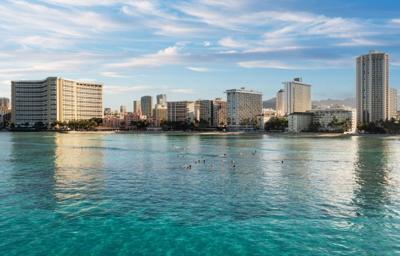
In Hawaii, that conversation never stays abstract for long. Marriott's Waikiki Collection spent April putting the Hawaiian value of malama into practice across four properties, structuring its entire Earth Month programming around the concept rather than simply borrowing the word.
Putting Malama Into Practice
The collection, which includes Sheraton Waikiki Beach Resort, The Royal Hawaiian, a Luxury Collection Resort, Moana Surfrider, A Westin Resort & Spa and Sheraton Princess Kaiulani Waikiki Beach, tied its 2026 programming to an effort with clear stakes.
Through May, participating restaurants at all four properties donate $1 to the Hawaii Farmers’ Disaster Relief Fund for every mai tai and burger sold. The effort supports farmers still rebuilding after Kona Low storm damage. The fund operates as a joint initiative of the Hawaii Farm Bureau and the Hawaii Agricultural Foundation.
Wellness and Cultural Preservation Take Center Stage
The Royal Hawaiian built its Earth Month calendar around botanical heritage and mindfulness. Honolulu floral designer Andrew Mau spent April 22 on the Coconut Lanai, demonstrating the artistry of native Hawaiian plant lei-making for guests. His modern designs have earned coverage in The New York Times.
Later that evening, the resort held a Nidra and sound bath meditation, using singing bowls and guided relaxation to move participants into a state of deep rest.






Moana Surfrider carried the thread further with its Native Hawaiian Plant Month Tea, a workshop where guests crafted sugar scrubs using island ingredients, including kukui pulp and kamani nut oil.
The property's monthly Butterfly Tea on the Veranda, run in partnership with Paradise Monarchs, continues through the month. Guests interact with monarch butterflies in a specialized dome before a ceremonial release tied to local pollination efforts.
Local Sourcing Drives the Menu
Both culinary teams built their Earth Day menus around shorter supply chains and local producers. The Beachhouse at Moana Surfrider partnered with Sumida’s Watercress Farm, pairing local vegetables with sustainable seafood to reduce transportation emissions.
The Splash Bar at Sheraton Princess Kaiulani took a similar approach. The menu featured a vegetarian summer roll with fresh herbs, rice noodles and tofu, served with peanut sauce and pickled vegetables. A beet-cured salmon carpaccio, finished with capers, pickled onion and lemon peel, rounded out the Earth Day offerings.
Beyond Earth Month
The Mai Tais and Burgers giveback program runs through May at participating restaurants across all four properties, with proceeds directed to the Hawaii Farmers' Disaster Relief Fund. For guests who missed Earth Day, the entry point stays open.
Regenerative tourism has moved well past the trend-story phase. Travelers arrive with expectations now, and destinations with deep cultural frameworks already in place hold a real advantage in meeting them. Hawaii has always had malama. Marriott's Waikiki Collection built its programming around a value that predates the industry by centuries. The rest of the hospitality world is still working out how to get there.

(0) comments
Welcome to the discussion.
Log In
Keep it Clean. Please avoid obscene, vulgar, lewd, racist or sexually-oriented language.
PLEASE TURN OFF YOUR CAPS LOCK.
Don't Threaten. Threats of harming another person will not be tolerated.
Be Truthful. Don't knowingly lie about anyone or anything.
Be Nice. No racism, sexism or any sort of -ism that is degrading to another person.
Be Proactive. Use the 'Report' link on each comment to let us know of abusive posts.
Share with Us. We'd love to hear eyewitness accounts, the history behind an article.