May is National Salsa Month, a celebration of the flavor, history and versatility that have made salsa a favorite for generations. First created by the Aztecs, salsa rose to outsell ketchup in the United States in the 1990s and became a major player in the condiments category. Made from a handful of fresh ingredients, it brings brightness and depth to everything it touches.
The inspiration behind National Salsa Month
National Salsa Month recognizes the lasting impact this condiment has had on the way people cook and eat. Its broad appeal comes from a simple formula: fresh ingredients, bold flavor and the ability to complement everything from snacks to full meals. Few foods do as much with so little.
The observance was created in 1997 to mark the 50th anniversary of Pace Salsa, one of North America’s most recognizable jarred brands. Yet salsa’s story began centuries earlier with the Aztecs, who combined tomatoes, chili peppers and ground squash seeds to serve with foods like turkey, venison, lobster and fish. Over time, those early preparations evolved into countless regional varieties, making salsa a global favorite.
Why did salsa become so big?
When salsa first reached the United States in the 1800s, it was met with limited enthusiasm, largely because many Americans were unaccustomed to spicy food. It took more than a century for tastes to shift, but once they did, salsa’s rise was dramatic. Since 1992, it has consistently outsold ketchup as one of the country’s leading condiments.
Much of this dominance comes from its image as a healthy, vegetable-based topping that adds flavor without feeling overly heavy or processed. Salsa has also benefited alongside the mainstream rise of Mexican cuisine, a market projected to expand to $104.8 billion by 2028. As tacos, burritos, nachos and similar dishes became more common on menus and in home kitchens, salsa naturally grew in popularity alongside them.
More than just tomatoes
Salsa is far more than the classic tomato-based version. Its versatility comes from the many ingredients and techniques that can be used to create a variety of flavors and textures. Fruit-forward options like mango salsa bring natural sweetness that balances heat and pairs well with grilled meats or seafood. On the richer end of the spectrum are darker styles such as salsa negra, where fried dried chiles are blended into a smoky sauce with deep, slightly bitter notes.
Regional styles add even more depth, such as salsa macha, which is an oil-based condiment made with dried chilies, garlic, nuts and seeds. The result is crunchy, savory and similar to chili crisp. Together, these styles show how salsa can satisfy nearly any craving, shifting from bright and refreshing to bold and complex with just a few changes in ingredients or technique.
How to use salsa beyond chips and dip






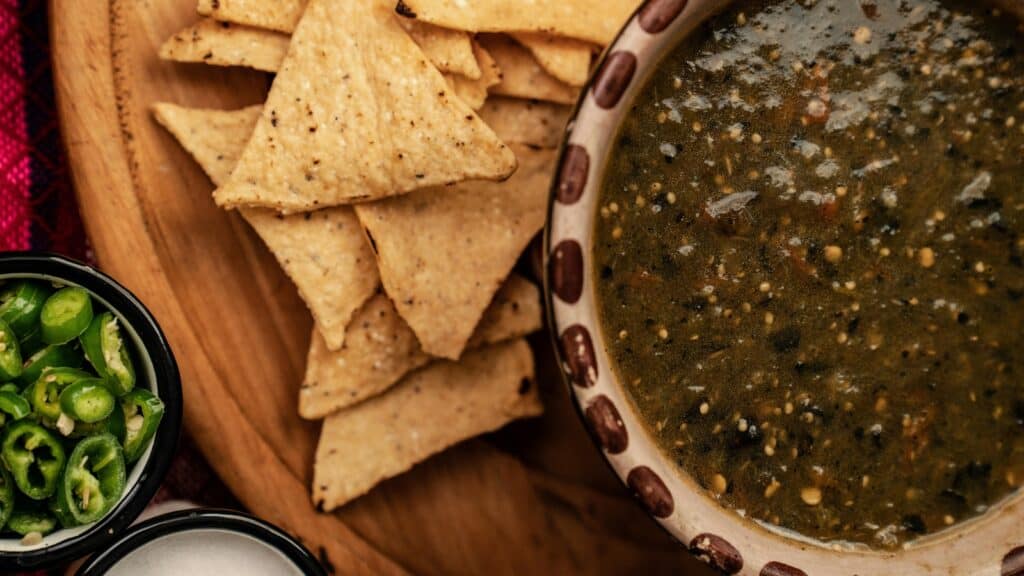
Tortilla chips may be the classic pairing, but salsa is useful far beyond snack time. Spoon it over eggs, layer it onto grain bowls or brush it over grilled vegetables. Salsa also seasons proteins like chicken, fish or tofu with little effort. A small amount can change an entire plate.
Different varieties of salsa can change the character of a meal, like a habanero salsa, which brings heat with a touch of sweetness, making it a strong match for avocado toast or quesadillas. Fresh tomato salsas lighten richer foods, while bolder blends add depth and intensity. During meal prep, try rotating a few different types of salsa throughout the week to keep your wraps, bowls or leftovers feeling new and exciting each time.
What you need for a great salsa
A great salsa comes down to balance: acidity, heat, salt and texture all need to work together rather than compete. Tomatoes or fruit set the base, but lime juice or vinegar sharpens everything and brings it to life. Chili peppers build the heat, while fresh herbs like cilantro add a clean finish.
Texture plays an equally important role. Onion and garlic bring bite and structure, with chopped or roasted ingredients adding contrast in every spoonful. Nothing should overpower the mix; instead, each element should support the others for a salsa that tastes cohesive and layered.
Homemade sauce tips
Once you understand the basics of balance, making salsa at home becomes much easier. Start with fresh, high-quality ingredients, since they set the foundation for everything else. From there, build in layers of flavor rather than trying to fix everything at the end. The same approach applies to other homemade sauces, whether salsa or a cilantro sauce.
Taste as you go and adjust gradually, like adding salt to deepen flavor, then layering in a little heat until everything feels balanced. Remember, small changes make a big difference, don’t be afraid to experiment with combinations of fruit, vegetables, herbs or spices, or with techniques like charring peppers for smokiness or blending for a smoother texture. Let the salsa sit briefly before serving so the flavors can come together.
Simple ingredients, big flavor
National Salsa Month is a reminder that a few simple ingredients can go a long way. From its Aztec origins to its status as one of the most popular condiments, salsa has maintained its appeal through versatility. It works just as well as a bright finishing touch as it does a deep, savory marinade. Whether you prefer mild or fiery flavors, classic or unconventional twists, this condiment is worth celebrating all month.
Kristen Wood is a photographer, food writer, recipe developer and creator of MOON and spoon and yum. She is also the author of “Vegetarian Family Cookbook,” “Fermented Hot Sauce Cookbook” and “Hot Sauce Cookbook for Beginners.” Her work has been featured in various online and print publications, including NBC, Seattle Times, Elle, Martha Stewart, Forbes, Chicago Sun-Times and more.
The post National Salsa Month puts bold flavor front and center appeared first on Food Drink Life.

(0) comments
Welcome to the discussion.
Log In
Keep it Clean. Please avoid obscene, vulgar, lewd, racist or sexually-oriented language.
PLEASE TURN OFF YOUR CAPS LOCK.
Don't Threaten. Threats of harming another person will not be tolerated.
Be Truthful. Don't knowingly lie about anyone or anything.
Be Nice. No racism, sexism or any sort of -ism that is degrading to another person.
Be Proactive. Use the 'Report' link on each comment to let us know of abusive posts.
Share with Us. We'd love to hear eyewitness accounts, the history behind an article.