


(David Levene/ZSL via SWNS)
By Dean Murray
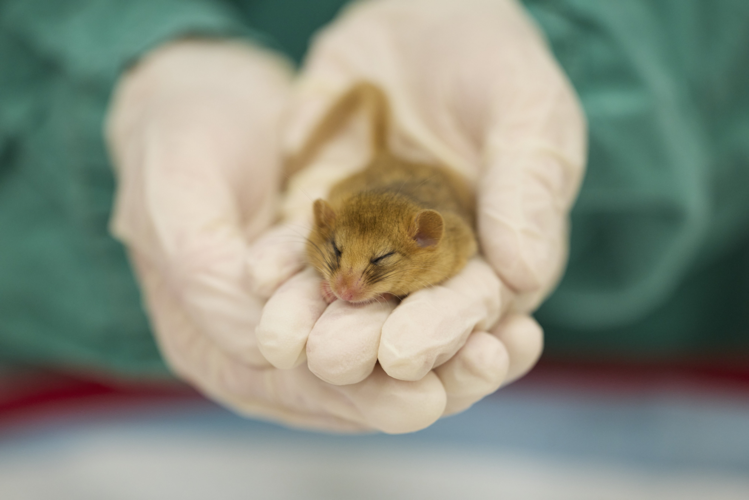
Nine rare hazel dormice have been given a clean bill of health by wildlife vets at conservation charity ZSL.
It paves the way for their release into the wild next month as part of a national effort to restore the vulnerable species to its former home.
The dormice, including three born at ZSL’s Whipsnade Zoo, underwent thorough health screenings by ZSL’s Disease Risk Analysis and Health Surveillance Team (DRAHS).
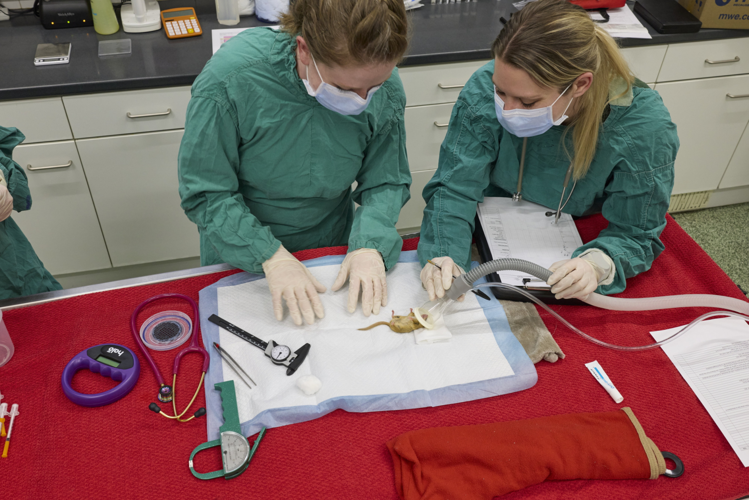
Each tiny rodent was gently anesthetized for a 10-minute check-up, allowing vets to examine their heart, lungs, eyes, ears, teeth, and fur. The dormice were also microchipped for future monitoring.






The health checks are a critical part of the People’s Trust for Endangered Species’ (PTES) annual dormouse reintroduction program, which aims to reverse the 70% decline in dormouse numbers seen since 2000 due to habitat loss, fragmentation, and climate change.

Health checks are carried out on Hazel dormice by vets at the London Zoo. (David Levene/ZSL via SWNS)
“We’re delighted to report that all nine dormice passed their health checks and are now ready for their big move in just a few weeks’ time,” said Dr. Clare McNamee, wildlife vet at ZSL’s Institute of Zoology, who led the checks. “These dormice might be tiny, but they have a big impact on their woodland habitat. By restoring dormouse populations, we’re making huge steps to protect and recover all the wildlife they live alongside.”
This year’s release is particularly special, as it includes three dormice bred at Whipsnade Zoo—marking the first time in 20 years that ZSL has bred dormice for wild release. Luke Pharoah, a zookeeper at Whipsnade, said, “Watching these three dormice grow from tiny, dozy newborns into adulthood has been so rewarding, and it’s exciting to know they are now one step closer to boosting wild dormice numbers.”
Since 2001, PTES and partners have reintroduced dormice to 26 woodland habitats across 13 English counties. The program, supported by Natural England, ZSL, and other conservation groups, is vital for the long-term recovery of a species that has disappeared from 20 counties over the past century.
The dormice are currently receiving specialist care at London Zoo before their release at a secret woodland location next month—a hopeful step towards rebuilding Britain’s native dormouse populations.

(0) comments
Welcome to the discussion.
Log In
Keep it Clean. Please avoid obscene, vulgar, lewd, racist or sexually-oriented language.
PLEASE TURN OFF YOUR CAPS LOCK.
Don't Threaten. Threats of harming another person will not be tolerated.
Be Truthful. Don't knowingly lie about anyone or anything.
Be Nice. No racism, sexism or any sort of -ism that is degrading to another person.
Be Proactive. Use the 'Report' link on each comment to let us know of abusive posts.
Share with Us. We'd love to hear eyewitness accounts, the history behind an article.