The US International Development Finance Corporation (DFC) said it has agreed a loan for the refurbishment of a rail link in Angola strategic for the transport of minerals which are in high demand at American firms.
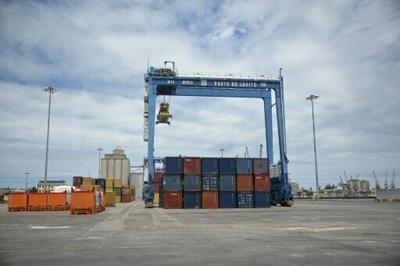
In an announcement Wednesday, the DFC said the rail link runs between the Lobito port on the Atlantic coast to Luau on the border with the mineral-rich Democratic Republic of Congo.
DFC's $553-million investment, made alongside $200 million provided by the Development Bank of Southern Africa, is expected to increase Lobito's transportation capacity ten-fold to 4.6 million metric tons as well as reduce the cost of transporting critical minerals by up to 30 percent, it said in a statement.
Much of the loan will be used to renovate 1,300 kilometres (800 miles) of rail tracks and to acquire new locomotives.
"Central Africa is rich in key resources essential to US industries, including minerals critical for technology and defense," DFC said. "DFC's investments help secure reliable supply chains and prevent monopolization by China and other strategic competitors."
The Lobito corridor is to drastically reduce the time it takes to transport minerals between the DRC or Zambia to the coast, to 40-50 hours compared to 45 days by road currently.
Keep it Clean. Please avoid obscene, vulgar, lewd,
racist or sexually-oriented language. PLEASE TURN OFF YOUR CAPS LOCK. Don't Threaten. Threats of harming another
person will not be tolerated. Be Truthful. Don't knowingly lie about anyone
or anything. Be Nice. No racism, sexism or any sort of -ism
that is degrading to another person. Be Proactive. Use the 'Report' link on
each comment to let us know of abusive posts. Share with Us. We'd love to hear eyewitness
accounts, the history behind an article.


(0) comments
Welcome to the discussion.
Log In
Keep it Clean. Please avoid obscene, vulgar, lewd, racist or sexually-oriented language.
PLEASE TURN OFF YOUR CAPS LOCK.
Don't Threaten. Threats of harming another person will not be tolerated.
Be Truthful. Don't knowingly lie about anyone or anything.
Be Nice. No racism, sexism or any sort of -ism that is degrading to another person.
Be Proactive. Use the 'Report' link on each comment to let us know of abusive posts.
Share with Us. We'd love to hear eyewitness accounts, the history behind an article.