
AChawla
By Stephen Beech
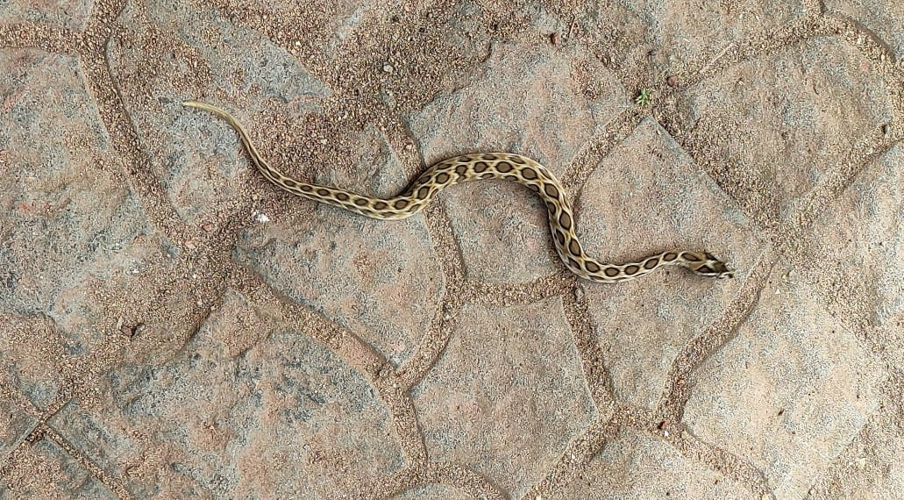
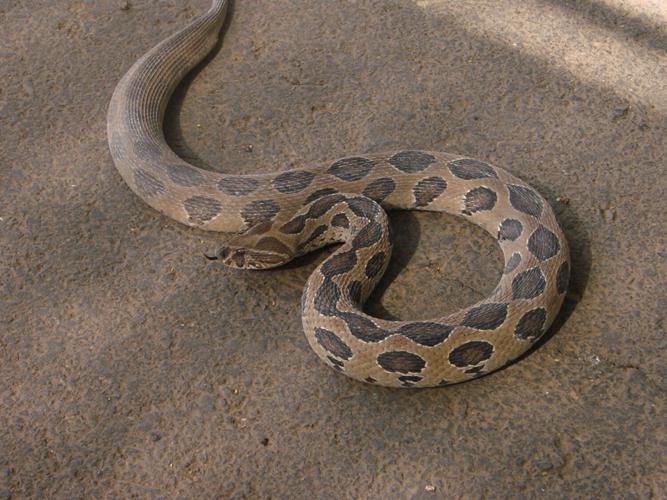
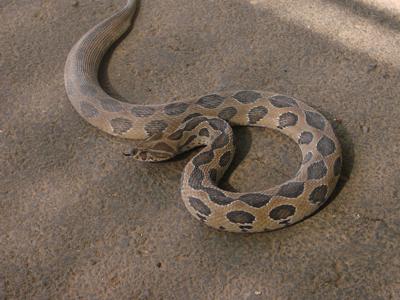
The venom of one of the world's deadliest snakes is even stronger in dry weather, reveals new research.
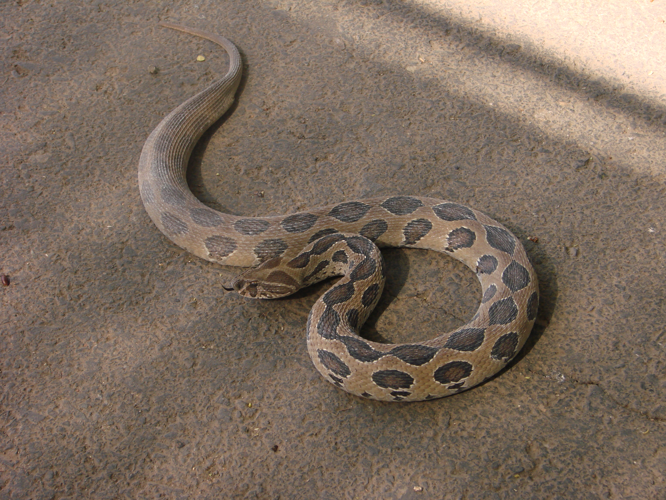
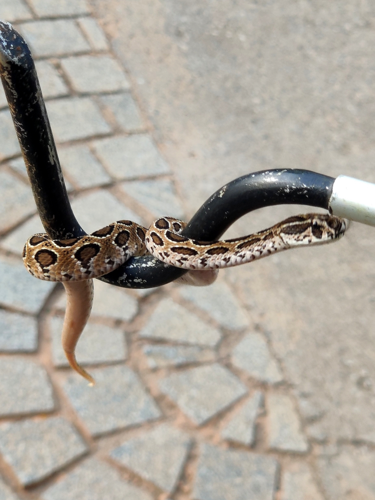
Russell's viper kills and maims more people than any other snake species, say scientists.
Now researchers in India have found that the characteristics of its venom can be predicted by local climate.
They discovered that, in dryer regions, the venom contains more protein-degrading enzymes.
They say their findings, published in the journal PLOS Neglected Tropical Diseases, may help save the lives of snake bite victims.
Russell’s viper is found throughout the Indian subcontinent and is responsible for more than 40% of snake bite-related deaths in India each year.

Chayant Gonsalves
Professor Kartik Sunagar and his colleagues at the Indian Institute of Science explained that its venom is "extremely variable" - and snake bites cause different symptoms in different regions of India.
Sunagar says the toxic effects of snake venom are caused by the concentrations of different enzymes, which can be influenced by several factors, including prey availability and climate.
But the factors driving variation in Russell’s viper venom were unknown until now.
The research team analyzed venom samples from 115 snakes collected at 34 locations across India.
They tested the activity of venom toxins, including enzymes that break down proteins, phospholipids and amino acids.




The team then used historical climate data to understand the relationship between venom composition and the local climate where the snakes were caught.
They found that temperature and rainfall partly explained regional variation in snake venom composition.
Sunagar said protease activity showed the closest relationship to climate variables, whereas the activity of amino acid oxidases was unaffected by climate.

Afsar Nayakkan
Snakes in drier regions of India tended to have higher protease activity.
The researchers used the data to create a map of expected venom types across Russell’s viper’s range, which could be used to predict the clinical symptoms of snake bites in different regions.
The research team says the venom maps developed as part of the study could help doctors select the most appropriate treatment for patients with snake bites, or to develop targeted therapies such as toxin-specific antibodies.
Study author Sunagar said: “Russell's viper is arguably the clinically most important snake species in the world.
"It kills and maims more people than any other snake species.
"As a result, it is important to precisely unravel the composition, activity, and potency of Russell's viper venoms and understand the role of biotic and abiotic factors in shaping them."
He added: "Recent studies from our lab have shed light on the influence of biotic factors, such as developmental shifts in diet, on Russell's viper venom composition and toxicity.
"However, the effects of abiotic or environmental factors remained unstudied.
"We highlight, for the first time, the role of climatic conditions, such as temperature, humidity and rainfall, in driving the biochemical functions of Russell's viper venoms.”

(0) comments
Welcome to the discussion.
Log In
Keep it Clean. Please avoid obscene, vulgar, lewd, racist or sexually-oriented language.
PLEASE TURN OFF YOUR CAPS LOCK.
Don't Threaten. Threats of harming another person will not be tolerated.
Be Truthful. Don't knowingly lie about anyone or anything.
Be Nice. No racism, sexism or any sort of -ism that is degrading to another person.
Be Proactive. Use the 'Report' link on each comment to let us know of abusive posts.
Share with Us. We'd love to hear eyewitness accounts, the history behind an article.