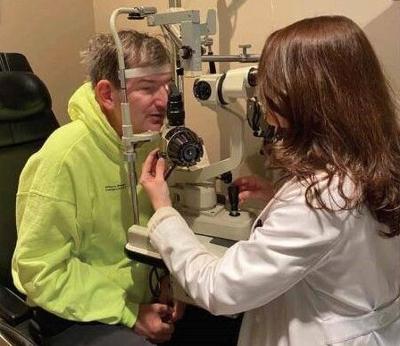
Glaucoma is the leading cause of irreversible blindness in the world and more than half of glaucoma cases in the U.S. are undiagnosed. During Glaucoma Awareness Month in January, the Alabama Academy of Eye Physicians and Surgeons is urging people to be screened for this potentially blinding eye disease. Because there are no noticeable symptoms in the early stages of glaucoma, early detection and treatment are absolutely critical.
So, who is most at risk of glaucoma?
- More than 4 million people in the U.S. have glaucoma, with Black Americans six to eight times more likely to get glaucoma than white Americans.
- People with diabetes are twice as likely to get glaucoma.
- Americans over 40, those who are severely nearsighted, and those with a family history of glaucoma are also most at risk.
Glaucoma damages the eye’s optic nerve, which transmits visual information to the brain. This is what allows us to see. Glaucoma progresses slowly and initially affects just someone’s peripheral or side vision. What we call “central vision” – the vision we use to read, drive or watch TV – is unaffected until the disease is advanced.
That’s why so many people with glaucoma lose most of their vision before they even notice any symptoms. Unfortunately, once vision is lost to glaucoma, it can’t be regained.
But that doesn’t mean glaucoma can’t be treated if caught early. With early detection, eyedrops or an in-office laser treatment may control glaucoma. But in advanced cases, surgery may be required to slow vision loss and prevent further damage to your vision.






Even though ophthalmologists have several effective treatment options, the best protection against vision loss from glaucoma is an early diagnosis.
Since most people who have glaucoma don’t know they have it, regular eye screenings are crucial. If you don’t have an eye exam scheduled, schedule one now. They take just a few minutes, they’re painless, and they are essential to protecting your vision.
The earlier you receive a diagnosis, the better your chances of saving your sight.
###
Dr. John Cox, an ophthalmologist in Huntsville, is president of the Alabama Academy of Eye Physicians and Surgeons. The Academy is the only statewide organization representing Alabama ophthalmologists and their patients. It works to advance the art and science of ophthalmology by promoting superior care for patients through education, awareness and advocacy.
(0) comments
Welcome to the discussion.
Log In
Keep it Clean. Please avoid obscene, vulgar, lewd, racist or sexually-oriented language.
PLEASE TURN OFF YOUR CAPS LOCK.
Don't Threaten. Threats of harming another person will not be tolerated.
Be Truthful. Don't knowingly lie about anyone or anything.
Be Nice. No racism, sexism or any sort of -ism that is degrading to another person.
Be Proactive. Use the 'Report' link on each comment to let us know of abusive posts.
Share with Us. We'd love to hear eyewitness accounts, the history behind an article.