

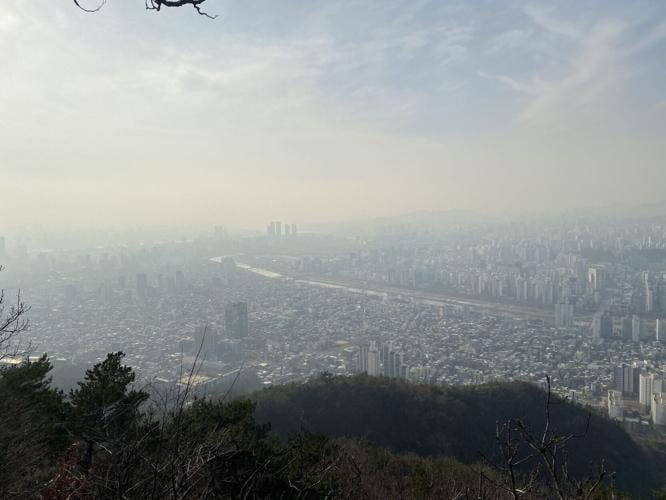




(Photo by Towfiqu barbhuiya via Pexels)
By Stephen Beech
Arthritis flare-ups may be triggered by smog, according to a new study.
Researchers found air pollution levels are linked to "spikes" in rheumatoid arthritis issues.
They say their findings highlight the impact of air pollution on patients with established arthritis, and underlines environmental control as a key component of disease management.
The new study shows that exposure to air pollution, especially fine particulate matter such as dust, soot and smoke — known as PM2.5) is associated with increased disease activity and flare risk in arthritis patients.
Rheumatoid arthritis (RA) is a chronic autoimmune disease characterized by joint inflammation and joint damage.
Widespread systemic symptoms can affect other parts of the body beyond the joints.
RA affects up to one in 100 adults worldwide.

Exposure to air pollution, especially fine particulate matter, is associated with increased disease activity and flare risk in rheumatoid arthritis (RA). (Sun Hwan Shim via SWNS)
Many factors contribute to the development of RA, including genetics, immune system changes and environmental exposures.
Scientists believe environmental factors may play a "critical" role in both the onset and exacerbation of RA, but many of them are modifiable.
Smoking is one of the well-established risk factors, while climatic factors, such as air temperature and humidity, and certain pollutants, such as silica, have also been implicated.
Previous epidemiological studies have shown an association between air pollution and an increased risk of developing RA.
Now, a team of investigators in South Korea has conducted research to evaluate the effects of air pollution on disease activity and flare occurrence in patients with established RA and explore its underlying mechanisms.
They tracked 1,070 RA patients across 12,583 real-world outpatient visits over four years at a major South Korean medical center.
Air pollution exposure was estimated using monthly concentrations of six major air pollutants: sulfur dioxide, nitrogen dioxide, ozone, carbon monoxide, paritculate matter with a diameter of 10 µm (PM10) and paritculate matter with a diameter of 2.5 µm (PM2.5).
They were matched with disease activity and flare outcomes recorded at each outpatient visit.







(Photo by khbab alturky via Pexels)
The study, published in the Annals of the Rheumatic Diseases (ARD), identified PM2.5 as the key contributor to increased RA disease activity.
Because the microscopic particles are smaller than red blood cells, the research team says they can easily travel from the lungs into the bloodstream, circulating to distant organs.
They can then trigger the overproduction of harmful molecules called reactive oxygen species, thereby inducing cellular stress, damaging DNA and sparking inflammatory responses in organs.
Lead investigator Eun Bong Lee said: "Our study found that higher PM2.5 concentration was associated with increased disease activity and flare risk, notably prolonged exposure to elevated PM2.5 over more than two weeks.
Lee, of Seoul National University College of Medicine, added: "Our study has important implications for public health policy making.
"While further studies are warranted to determine whether improving air quality can reduce disease activity in RA patients, we would recommend these patients avoid prolonged exposure to poor air quality, particularly high PM2.5 levels."
ARD editor-in-chief Dr. Josef Smolen, from the Medical University of Vienna, Austria, adds: "As always, this paper underwent thorough peer review, and it was nice to learn that all reviewers agreed on the importance and interest of these findings.
"Nevertheless, we should be aware that the observations pertain to the studied Korean population, with a specific genetic background and under specific environmental circumstances.

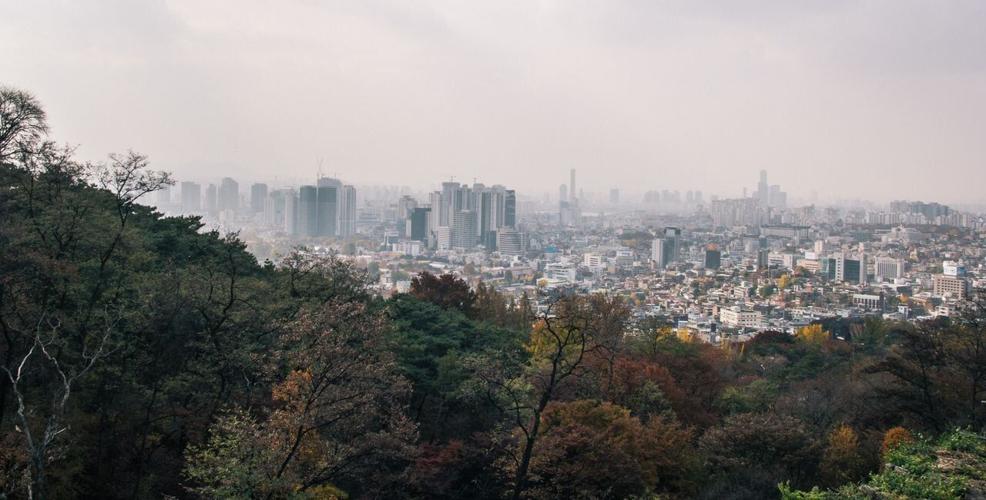
Photo by Tranmautritam via Pexels
"Whether these data hold true in other regions of the world should be a focus of future investigations.
"However, it is an excellent starting point for our better understanding of factors that may play a role in influencing disease activity and therapeutic responses of patients with RA.
"And it is an important wake-up call: the environment is likely an essential contributor to pain and inflammation in the patients for whom we care."
In an accompanying editorial Dr. Jeffrey Sparks, of Harvard Medical School, said: "This is one of the largest studies to use robust methods to link air pollutants with RA disease activity.
"Considering rising levels of air pollutants, these results have significant clinical, biologic, and public health implications.
"They also further reinforce that inhalants may have broad implications for risk and progression of RA and perhaps other autoimmune diseases."
He added: "From a clinical perspective, this may offer avenues to lower the risk of RA flares by avoiding air with poor quality and provide some potential explanation for otherwise idiosyncratic RA flares."

(0) comments
Welcome to the discussion.
Log In
Keep it Clean. Please avoid obscene, vulgar, lewd, racist or sexually-oriented language.
PLEASE TURN OFF YOUR CAPS LOCK.
Don't Threaten. Threats of harming another person will not be tolerated.
Be Truthful. Don't knowingly lie about anyone or anything.
Be Nice. No racism, sexism or any sort of -ism that is degrading to another person.
Be Proactive. Use the 'Report' link on each comment to let us know of abusive posts.
Share with Us. We'd love to hear eyewitness accounts, the history behind an article.