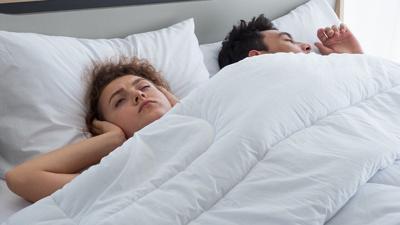


Why one of the most common sleep disorders often goes undiagnosed
Sleep apnea awareness is growing today, but diagnosis rates continue to lag behind.
A Common Condition Hiding in Plain Sight
Sleep apnea is a chronic disorder that impacts millions of people globally: 83.7 million adults in the U.S. are estimated to have sleep apnea, according to a 2025 study published in the journal Respiratory Medicine. Sleep apnea is slightly more common in men, with 59% of cases occurring in men and 41% in women. While the estimated rate continues to increase, sleep apnea diagnosis rates aren’t catching up.
Undiagnosed sleep apnea greatly affects quality of life over time. Left untreated, sleep apnea can lead to numerous health conditions and even affect lifespan, as Sleeping.com examines here. Greater public education on sleep apnea helps people recognize sleep apnea symptoms earlier and receive preventative care.
What Is Sleep Apnea and Why Is It Often Undetected?
Sleep apnea is a chronic sleep disorder. There are three types of sleep apnea: obstructive sleep apnea (OSA), central sleep apnea, and mixed. Most people have OSA, where their upper airway becomes obstructed while they sleep. This makes it difficult to breathe, and people may repeatedly stop breathing throughout the night. Central sleep apnea happens when the brain stops sending signals to breathe, while mixed sleep apnea is a combination of both central and obstructive.
Sleep apnea is one of the most common sleep disorders. Almost 1 billion people globally suffer from sleep apnea. Yet many people who suffer from sleep apnea don’t realize they have it and remain undiagnosed.
Sleep apnea symptoms are easy to miss and range in severity. Since the primary signs of sleep apnea happen while asleep, people often don’t realize they are struggling. They often only seek diagnosis after a partner notices their symptoms.
Commonly Overlooked Sleep Apnea Symptoms
Sleep apnea symptoms aren’t always obvious. Many symptoms seem benign or overlap with other health conditions.
The following can all be symptoms of sleep apnea:
- Snoring
- Feeling exhausted despite getting enough sleep
- Low libido
- Waking up with a headache, dry throat, or feeling confused
- Cognitive issues like trouble concentrating or impaired memory
- Sleep disturbances such as frequently waking up, tossing and turning, gasping, or choking
- Changes in mood or personality





The Consequences of Sleep Apnea
Undiagnosed and untreated sleep apnea can lead to serious health conditions. Sleep apnea can cause cardiovascular disease, cognitive issues, metabolic disorders, and even early mortality.
Sleep apnea leads to chronic sleep deprivation, resulting in more problems over time. If left untreated, sleep apnea is linked to increased risk of dementia, insulin resistance, diabetes, hypertension, heart attacks, and stroke.
Sleep apnea will also increasingly impact general mental and physical wellness. It may cause chronic fatigue, impaired concentration, mood and personality changes, memory issues, depression, anxiety, and low sex drive. Any of these changes or conditions creates an unnecessarily lower quality of life and could be resolved by treating sleep apnea.
Why Diagnosis Rates Remain Low
Sleep apnea diagnosis rates are considered low today and do not capture the prevalence of this disorder. An estimated 80% of Americans with sleep apnea aren’t diagnosed. People who have mild and moderate sleep apnea, or who are not obese, are the least likely to be diagnosed. People often don’t know that they are experiencing symptoms, and their provider may not recognize them.
Widespread misconceptions about who is most at risk for sleep apnea can hinder detection and diagnosis. The prevalence of sleep apnea greatly increases with age and obesity. Yet common sleep apnea symptoms, like fatigue and cardiovascular disease, are less likely to be investigated in individuals within these groups, further hindering diagnosis.
Even if someone suspects they have sleep apnea, they may encounter several barriers that make it difficult to obtain a diagnosis. Not everyone has access to qualified providers or insurance. Screening may not be covered by insurance or included in routine health check-ups. People might feel hesitant or anxious about getting tested and find the process overwhelming. These factors can all impact diagnosis rates.
How Screening and Testing Have Become More Accessible
People can now easily obtain information on sleep apnea, thanks to the internet and social media. There’s readily available, free education on the risk factors, tell-tale signs, and long-term impact of sleep apnea. Increased awareness has helped people seek preventative care, instead of only receiving a diagnosis after years of declining health. People today may feel more prepared to speak to a doctor and advocate for themselves.
While sleep apnea education is growing, it still remains underdiagnosed. Testing for sleep apnea previously required an overnight stay at a facility, which can feel overwhelming for many. Depending on a person’s work schedule, lifestyle, and location, getting a sleep test might not be possible.
At-home sleep testing is now available, so getting diagnosed no longer requires an office visit or sleepover. People can now get a diagnosis, referral, and treatment plan from home. Some at-home sleep apnea tests are even eligible for insurance reimbursement.
This story was produced by Sleeping.com and reviewed and distributed by Stacker.

(0) comments
Welcome to the discussion.
Log In
Keep it Clean. Please avoid obscene, vulgar, lewd, racist or sexually-oriented language.
PLEASE TURN OFF YOUR CAPS LOCK.
Don't Threaten. Threats of harming another person will not be tolerated.
Be Truthful. Don't knowingly lie about anyone or anything.
Be Nice. No racism, sexism or any sort of -ism that is degrading to another person.
Be Proactive. Use the 'Report' link on each comment to let us know of abusive posts.
Share with Us. We'd love to hear eyewitness accounts, the history behind an article.