



(Photo by Matilda Wormwood via Pexels)
By Stephen Beech
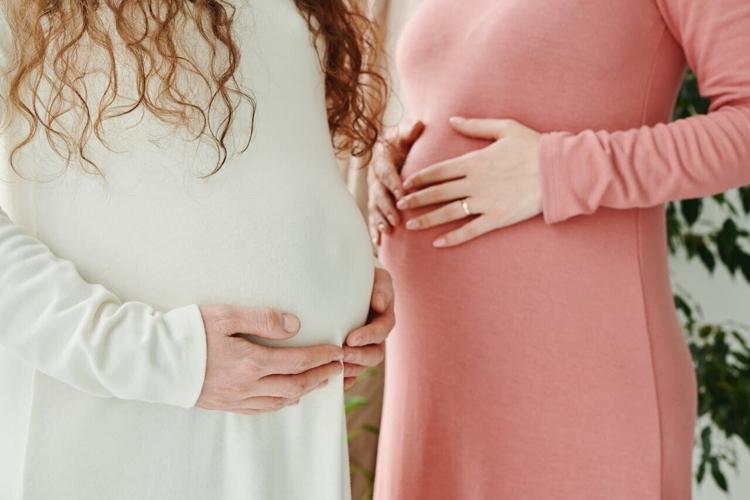
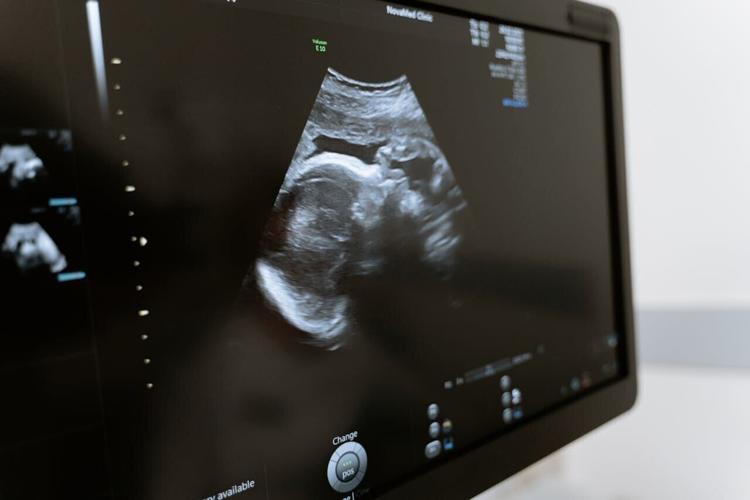
Exposure to air pollution in the womb can increase a baby's risk of asthma in adult life, suggests new research.
Scientists also found that the children of mothers exposed to pollutants during pregnancy had lasting epigenetic changes affecting their lungs and immune response.
While previous research has suggested that maternal air pollution exposure may increase childhood asthma risk, the new study of mice provides insights into how epigenetic mechanisms may be driving the effect.
It also indicates that, even if an individual is never directly exposed to air pollution themselves, their health can still be impacted if their mother was exposed during pregnancy.
Dr. Razia Zakarya, from the University of Technology Sydney, said: “This highlights the importance of protecting pregnant women from air pollution, as its effects can persist across generations.”

(Photo by MART PRODUCTION via Pexels)
The link between air pollution and asthma prevalence, severity, and hospitalisations has already been established.
But Dr. Zakarya said there is a need to better understand the molecular pathways driving this connection, so they can be targeted for prevention and treatment. In particular, the “molecular memory” involved in prenatal exposure is not well understood.
In the new study, researchers looked at the effects of maternal air pollution in mice.






In the first stage, they exposed one group of pregnant mice to air pollution particulates and another group to harmless saline.
The team then separated the offspring into groups with and without asthma.
They found that adult mice whose mothers had been exposed to air pollution while pregnant had stronger airway constriction in response to allergens, making their asthma symptoms worse than their counterparts.

(Photo by Antoni Shkraba Studio via Pexels)
The team also discovered that thousands of genes in the lungs of these offspring were expressed differently than those from unexposed mothers.
The findings, presented at the American Thoracic Society (ATS) International Conference in San Francisco, also showed that maternal air pollution exposure altered the offspring’s DNA methylation patterns - an epigenetic modification that controls gene activity.
Dr. Zakarya said: “This suggests an epigenetic ‘memory effect’ of prenatal air pollution exposure that persists into adulthood, affecting the way genes related to lung function and immune response are regulated."
She noted that the levels of air pollution tested in the study meet WHO air quality guidelines for “safe,” suggesting that guidelines may need to be reviewed.
The team plans to follow up the study with research focusing on whether similar epigenetic changes occur in human populations.
They also hope to study how the changes might be reversed or mitigated.
(0) comments
Welcome to the discussion.
Log In
Keep it Clean. Please avoid obscene, vulgar, lewd, racist or sexually-oriented language.
PLEASE TURN OFF YOUR CAPS LOCK.
Don't Threaten. Threats of harming another person will not be tolerated.
Be Truthful. Don't knowingly lie about anyone or anything.
Be Nice. No racism, sexism or any sort of -ism that is degrading to another person.
Be Proactive. Use the 'Report' link on each comment to let us know of abusive posts.
Share with Us. We'd love to hear eyewitness accounts, the history behind an article.