






Mikael Seegen
By Stephen Beech
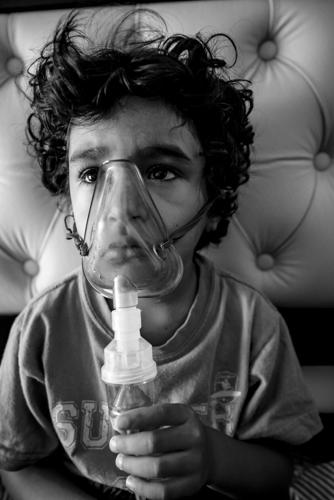
Childhood asthma may be triggered by moms-to-be drinking water contaminated by "forever chemicals" while pregnant, suggests new research.
High prenatal exposure to PFAS — or forever chemicals — may increase the risk of the chronic condition in youngsters, say scientists.
The new study, published in the journal PLOS Medicine, showed city residents exposed to contaminated drinking water in Sweden had higher rates of asthma.
The condition can lead to childhood hospitalizations, missed school days, missed workdays for parents, and a lower quality of life for both children and their caregivers.
The global prevalence of asthma has been on the rise over the last 50 years.
Now, the study by Dr. Annelise Blomberg and her colleagues suggests that high prenatal PFAS exposure is associated with a higher incidence of asthma in childhood.
PFAS, or perfluoroalkyl substances, are widespread synthetic chemicals that impact the immune system and are potentially harmful to people, wildlife and the environment.
They break down very slowly over time and have been previously linked with a number of health problems, including lower response to vaccines, lower birth weight, thyroid disease, increased cholesterol levels, liver damage, kidney cancer and testicular cancer.

Map of Europe highlighting the location of Ronneby, Sweden. (Annelise Blomberg via SWNS)
PFAS are used to make everyday products, from outdoor clothing to non-stick pans.
Previous studies of PFAS and asthma only investigated low exposure levels and had inconclusive results.
Due to decades-long contamination of a municipal waterworks in Ronneby, Sweden, researchers were able to study the impacts of high PFAS exposure.
The research team accessed a register-based group of all children born in Blekinge County between 2006 and 2013, including Ronneby.






They then linked maternal addresses during the exposure period to water distribution records to estimate prenatal exposure, and used asthma diagnosis data from the National Patient Register to assess individual asthma outcomes and prenatal exposure levels.
The researchers found that very high prenatal PFAS exposure was associated with a higher incidence of asthma in childhood.

(Photo by Natalia Olivera via Pexels)
Dr. Blomberg, of Lund University, Sweden, said: "We found that children whose mothers were exposed to very high levels of PFAS during pregnancy had a substantially higher incidence of clinically diagnosed asthma.
"The association was not observed at lower exposure levels, which may help explain why previous studies in general populations have reported mixed results.
"PFAS contamination is a major source of high environmental exposure globally, and evidence from Ronneby offers important insights into the potential health effects of such contamination in affected communities.
"These results point to a substantial and previously unrecognized public health consequence of PFAS contamination.
"Most previous research has examined populations exposed only to background levels of PFAS.
"In Ronneby, drinking water contamination resulted in exposure levels hundreds of times higher than the general population.

(Photo by Yan Krukau via Pexels)
"This allowed us to evaluate potential health effects across a much broader exposure range."
She says future studies are needed to better understand exposure-response relationships and to address potential variables, such as exposure beyond the prenatal period into early-childhood.
Dr. Blomberg added: "Communities around the world have been affected by PFAS contamination from aqueous film-forming foams and other industrial sources.
"Our findings suggest that very high prenatal exposure may have lasting consequences for children's respiratory health.
"At the same time, replication in other highly exposed populations will be important to confirm these results."
(0) comments
Welcome to the discussion.
Log In
Keep it Clean. Please avoid obscene, vulgar, lewd, racist or sexually-oriented language.
PLEASE TURN OFF YOUR CAPS LOCK.
Don't Threaten. Threats of harming another person will not be tolerated.
Be Truthful. Don't knowingly lie about anyone or anything.
Be Nice. No racism, sexism or any sort of -ism that is degrading to another person.
Be Proactive. Use the 'Report' link on each comment to let us know of abusive posts.
Share with Us. We'd love to hear eyewitness accounts, the history behind an article.