


Lala Azizli
By Lula White
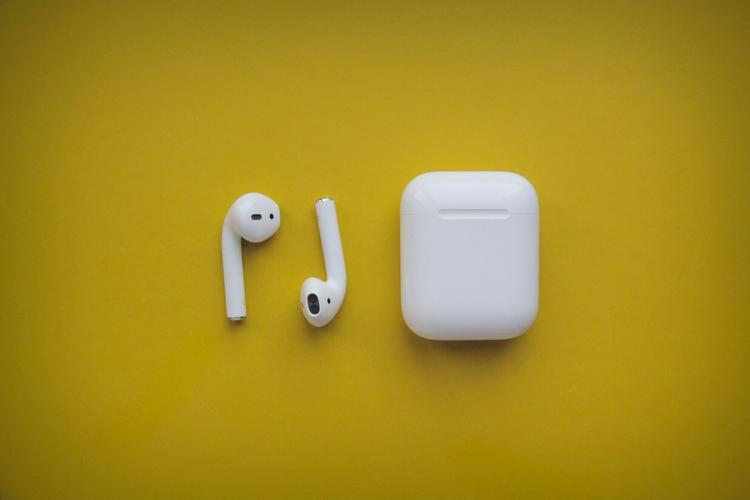
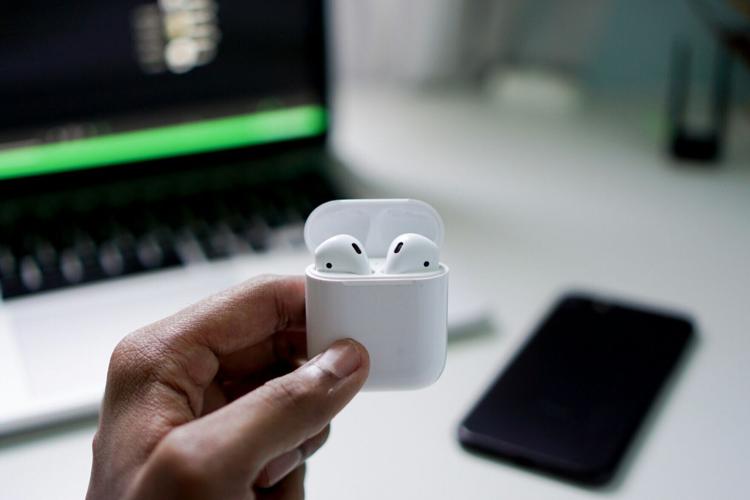
A doctor says Gen-Z are causing themselves permanent hearing loss because they are wearing AirPods up to 12 hours a day - even sleeping while wearing the in-ear headphones.
Private GP Dr. Lavan Varathan said their hearing is deteriorating faster than any generation in history thanks to the bad habit.
He said one in five Gen-Z patients at his clinic are showing early signs of hearing deterioration - two decades earlier than usual.
The medical director of Gogodoc in Harley Street says routine health screenings at his practice increasingly reveal high-frequency hearing loss in younger adults - who regularly use earbuds and other personal listening devices which are "destroying" their ear health.
He said the "AirPods never come out" with young people causing permenant damage by wearing them to commute, work, gym, walking and even during sleep.
And many are listening to music too loud and for too long - causing earlier deterioration of their hearing.
Dr. Lavan Varathan, 38, from Northwood, Hillingdon, said naturally the average person tends to loose their high-frequency hearing at age 50 - but younger generations are loosing this 10 to 20 years earlier.
Dr. Varathan said: “You wake up. AirPods in. Commute, work, gym, walking, even sleep - AirPods never come out.
Gen Z wears earbuds 8-12 hours daily, and their hearing is deteriorating faster than any generation in history.
"A lot of young people are very switched on about their health and come to us to plan for the next 10 to 15 years.
"Hearing tests are part of our medicals - and we’re seeing high-frequency loss at surprisingly young ages.
“Sometimes people have had a loud ‘whack’ to their ears at a concert, but more often it’s from listening to music for prolonged periods or at volumes that are too loud.”
Dr. Varathan said it has long been known that noise above 85 decibels can damage hearing, but warned that even lower levels over extended periods can cause problems.
And a study by the Royal National Institute for Deaf People showed 58% of Gen-Z (age 18 – 28) have experienced hearing loss, tinnitus or both after listening to music.
He said: “We’ve known for years that anything above 85 decibels can cause damage. But prolonged exposure, even at lower levels, can lead to wax accumulation, ear infections and tinnitus - that ringing people get after a concert.
“There’s acute damage, but there’s also a slow creep. If someone is wearing earphones for hours a day over years and years, we can track that deterioration.”
He says between 15 and 20 percent of patients tested at his clinic show early high-frequency loss.
“The difficulty is they don’t notice it. In real life you don’t always need high-frequency hearing. But in a crowded room or at an event, they struggle to make out conversations, " Dr. Varathan said.
“Our tests are very sensitive and we can see that wear and tear happening gradually.”

Jackson Simmer
Dr. Varathan explained that tiny hair-like cells in the inner ear, known as cilia, are responsible for detecting sound vibrations.
He said: “In the middle ear we have these tiny hair cells that vibrate with noise. Some parts can regenerate, but the cilia cannot. If you damage those, you don’t get them back.





“That’s why repeated vibration from loud sound in earphones can be so harmful.”
He also warned of hygiene issues linked to wireless earbuds.
Dr. Varathan said: “You should be cleaning your AirPods at least once a week - washing the silicone tips and carefully dusting out the mesh.
“Wax, oils and dirt can build up, making the ear canal waxier and increasing the risk of infection.”
Dr. Varathan recommends following the “60/60 rule” - listening at no more than 60 per cent volume for no longer than 60 minutes at a time, followed by a break.
He said: “Limit continuous listening and then take at least half an hour to let your ears settle and recalibrate.
“Normal conversation is about 70 decibels, so your listening level should be lower than that – around 60 decibels.”
He added that modern noise-cancelling headphones can help reduce risk.
He said: “Noise-cancelling AirPods are amazing because if outside noise is reduced, you don’t need to turn the volume up as high.”
However, he said over-ear headphones also come with drawbacks.
“They don’t go into the canal, so there may be fewer wax and bacteria issues. But they’re often used at higher volumes and there’s less air circulation," Dr. Varathan said.
“Bacteria like warm, damp environments - so sweaty ears with limited airflow can increase infection risk.”

Suganth
Dr. Varathan believes many people delay action because hearing loss is gradual and not immediately life-threatening.
He said: “The problem with health is people wait until things are bad. It’s like high blood pressure - it’s a silent issue until it becomes irreversible.
“High-frequency loss can progress into middle frequencies, and then people start struggling in normal conversation. By that stage, they may need hearing aids.”
He is calling for greater awareness, particularly among younger listeners.
He said: “If you’re unable to hear your partner or your kids calling you, that’s a sign. But most people won’t change behaviour unless they really feel the effect.
“You can get a hearing test for under £50 at places like Specsavers. If you know your baseline early, you can make changes to protect your hearing long term.”
Dr. Varathan added that susceptibility varies from person to person.
He said: “Everyone is built differently. Some people go to concerts for years and still have good hearing. It’s very case by case.
“But if you’re listening above 85 decibels, even 10 minutes at a time can cause damage.
“Hearing isn’t seen as life or death, but protecting it now will reduce the need for hearing aids in the future.”
DOCTOR LAVAN'S TOP TIPS FOR PROTECTING YOUR EARS:
- Avoid listening above 85 decibels, as even 10 minutes at that level can cause damage.
- Avoid prolonged headphone use, even at lower volumes, can still lead to hearing deterioration over time.
- Follow the 60/60 rule by listening at no more than 60% volume for no longer than 60 minutes at a time.
- Take at least a 30-minute break after continuous listening to let your ears settle and recalibrate.
- Use noise-cancelling headphones to reduce outside noise so you don’t need to turn the volume up.
- Clean wireless earbuds at least once a week, including washing silicone tips and dusting the mesh to deter infection.
- Get an early baseline hearing test to monitor changes and protect your hearing long term.



(0) comments
Welcome to the discussion.
Log In
Keep it Clean. Please avoid obscene, vulgar, lewd, racist or sexually-oriented language.
PLEASE TURN OFF YOUR CAPS LOCK.
Don't Threaten. Threats of harming another person will not be tolerated.
Be Truthful. Don't knowingly lie about anyone or anything.
Be Nice. No racism, sexism or any sort of -ism that is degrading to another person.
Be Proactive. Use the 'Report' link on each comment to let us know of abusive posts.
Share with Us. We'd love to hear eyewitness accounts, the history behind an article.