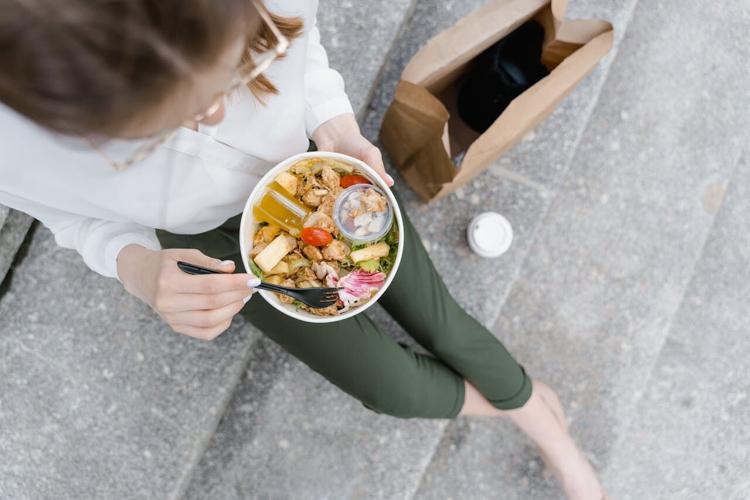








(Photo by MART PRODUCTION via Pexels)
By Stephen Beech
Eating nuts, vegetables, fruits and whole grains reduces the risk of heart disease and diabetes, according to a new study.
They contain natural compounds called phytosterols that are linked with markers of healthy metabolism and reduced inflammation, say scientists.
The new study suggests that phytosterols, which are structurally similar to cholesterol, could be "instrumental" in lowering the risk of type 2 diabetes as well as heart disease.
The American research team found that people who consumed more phytosterols had a "significantly lower" risk of both heart disease and type 2 diabetes.
Higher phytosterol intake was also associated with markers of better insulin regulation and reduced inflammation, as well as differences in the gut microbiome that may contribute to healthy metabolism.
Study leader Dr. Fenglei Wang said: “Our findings support the dietary recommendation of adhering to healthy plant-based dietary patterns that are rich in vegetables, fruits, nuts and whole grains.

(Photo by Ron Lach via Pexels)
“These findings can help people make informed dietary choices.”
While previous research has shown that phytosterols can help to improve health by lowering low-density lipoprotein (LDL) - or “bad” cholesterol - most clinical trials have used high doses of phytosterols, beyond what people would obtain through diet alone.
The new study is among the first to show the benefits of phytosterols as part of a normal diet.
Dr. Wang and his colleagues pooled data from three studies that collectively involved more than 200,000 American adults.
All of the participants were nurses or other health professionals, and almost 80% were women.
During a follow-up period of up to 36 years, more than 20,000 of the participants developed type 2 diabetes and nearly 16,000 developed heart disease.






Based on food questionnaires, the research team estimated each participant’s intake of total phytosterols and three individual phytosterols: beta-sitosterol, campesterol and stigmasterol.

(Photo by ROMAN ODINTSOV via Pexels)
Participants in the top 20% for phytosterol intake consumed about four or five servings of vegetables, two or three servings of fruit, two servings of whole grains and half a serving of nuts per day.
Compared with those in the bottom 20% for phytosterol intake, those in the top 20% were 9% less likely to develop heart disease and 8% less likely to develop type 2 diabetes.
Similar associations were recorded for beta-sitosterol, but not for campesterol or stigmasterol.
The researchers also analysed the metabolites - products of metabolism - in blood samples from more than 11,000 participants and other metabolic biomarkers in blood samples from over 40,000 participants.
They found that total phytosterol and beta-sitosterol were associated with favourable metabolites and metabolic markers relevant to diabetes and heart disease, pointing to a possible mechanism behind the association.
Dr Wang, a research associate at Harvard T.H. Chan School of Public Health, said: “Our clinical biomarker and metabolomic results suggest the involvement of insulin activity, inflammation and the metabolism of metabolites associated with type 2 diabetes and cardiovascular disease.

(Photo by Kampus Production via Pexels)
“This suggests that phytosterol might reduce risk by alleviating insulin resistance and inflammation.”
The research team also examined the make-up of the gut microbiome and associated enzymes in a smaller group of 465 study participants.
The team identified several microbial species and enzymes associated with higher phytosterol intake that may influence the production of metabolites associated with a lower risk of diseases.
Dr. Wang said: “We found that the gut microbiome might play a role in the beneficial associations."
He added: "Some species, such as Faecalibacterium prausnitzii, carry enzymes that could help degrade phytosterol, potentially influencing host metabolism."
Dr. Wang presented the findings at the annual meeting of the American Society for Nutrition in Orlando, Florida.

(0) comments
Welcome to the discussion.
Log In
Keep it Clean. Please avoid obscene, vulgar, lewd, racist or sexually-oriented language.
PLEASE TURN OFF YOUR CAPS LOCK.
Don't Threaten. Threats of harming another person will not be tolerated.
Be Truthful. Don't knowingly lie about anyone or anything.
Be Nice. No racism, sexism or any sort of -ism that is degrading to another person.
Be Proactive. Use the 'Report' link on each comment to let us know of abusive posts.
Share with Us. We'd love to hear eyewitness accounts, the history behind an article.