





National Institute of Allergy and Infectious Diseases
By Stephen Beech
Microplastics have been found in human reproductive fluids, according to new research.
They were found in more than two-thirds of women (69%) and over half of men (55%) participating in the study.
The discovery raises important questions about the potential risks to fertility and reproductive health, say scientists.
Researchers examined follicular fluid from 29 women and seminal fluid from 22 men, both of which play key roles in natural conception and assisted reproduction.
Several commonly used microplastic polymers - including polytetrafluoroethylene (PTFE), polystyrene (PS), polyethylene terephthalate (PET), polyamide (PA), polypropylene (PP) and polyurethane (PU) - were identified in both groups.
Microplastics were present in 69% of the follicular fluid samples analysed.
The most frequently detected polymer was PTFE, found in 31% of the samples, followed by PP (28%), PET (17%), PA (14%), polyethylene (PE) (10%), PU (10%) and PS (7%).

Antoine GIRET
In male seminal fluid samples, microplastics were found in 55% of those analysed.
PTFE emerged as the most prevalent polymer, identified in 41% of the samples. Other polymers detected included PS (14%), PET (9%), PA (5%), and PU (5%), though in lower concentrations.
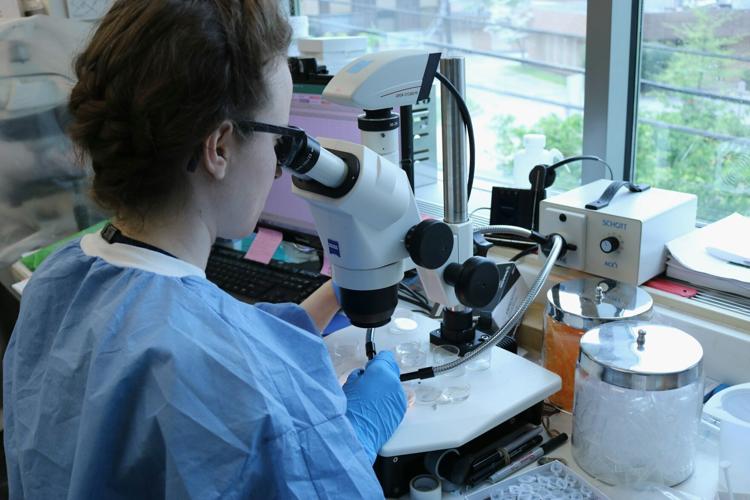
To prevent contamination, all the samples were collected and stored in glass containers and underwent chemical treatment before analysis using laser direct infrared microscopy.
Lead researcher Dr. Emilio Gomez-Sanchez said: “Previous studies had already shown that microplastics can be found in various human organs.
"As a result, we weren´t entirely surprised to find microplastics in fluids of the human reproductive system, but we were struck by how common they were – found in 69% of the women and 55% of the men we studied.”
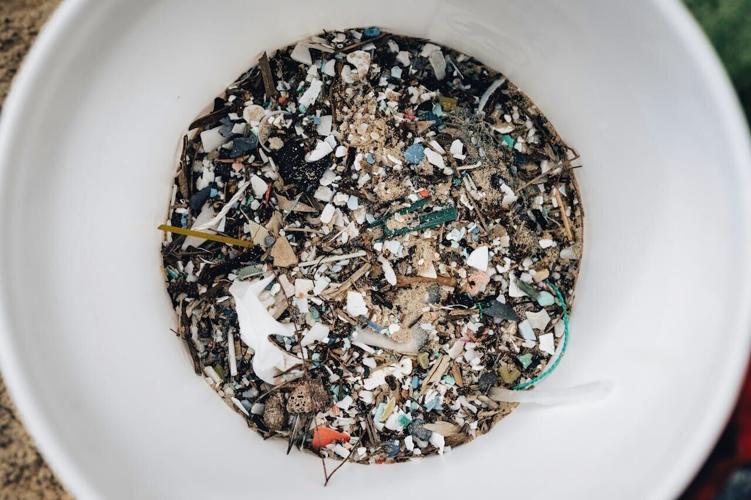
Microplastics are defined as plastic particles under five millimeters in size, and there is evidence that they pose a threat to environmental and public health.





While the new research did not directly assess how microplastics affect fertility, their detection highlights the need to explore possible implications for human reproductive health.

(Photo by Alfo Medeiros via Pexels)
Dr. Gomez-Sanchez, an Associate Professor at the University of Murcia in Spain, said: “What we know from animal studies is that in the tissues where microplastics accumulate, they can induce inflammation, free radical formation, DNA damage, cellular senescence, and endocrine disruptions.
“It’s possible they could impair egg or sperm quality in humans, but we don’t yet have enough evidence to confirm that.”
The research team plans to expand their analysis to a larger group, alongside detailed lifestyle and environmental exposure questionnaires.
Further phases of the project will also explore the potential relationship between the presence of microplastics and oocyte and sperm quality.
Dr. Gomez-Sanchez stressed that fertility is influenced by many factors, including age, health, and genetics, and that the findings should not cause alarm among those trying to conceive.
He added: “There’s no need for alarm at this point.
"Microplastics are just one of many elements that may play a role in fertility.

(Photo by Magda Ehlers via Pexels)
"However, it is sensible to consider ways of reducing our exposure to them.
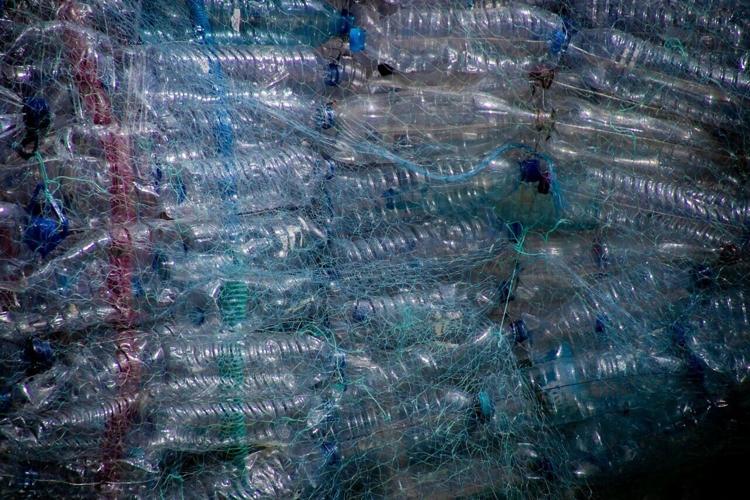
"Simple steps, such as using glass containers to store and heat food, or limiting the amount of water we consume from plastic bottles, can help minimise our intake.”
The findings were published in the journal Human Reproduction and presented at the annual meeting of the European Society of Human Reproduction and Embryology (ESHRE) in Paris, France.
Professor Dr. Carlos Calhaz-Jorge, Immediate Past Chair of ESHRE, said of the findings: “Environmental factors influencing reproduction are certainly a reality, although not easy to measure objectively.
"The authors of this study found microplastics in over two-thirds of follicular fluids and more than 50% of semen fluids from the studied patients.
"Although the significance of these findings is not yet clear, they should be considered an additional argument in favour of avoiding the generalised use of plastics in our daily lives.”
(0) comments
Welcome to the discussion.
Log In
Keep it Clean. Please avoid obscene, vulgar, lewd, racist or sexually-oriented language.
PLEASE TURN OFF YOUR CAPS LOCK.
Don't Threaten. Threats of harming another person will not be tolerated.
Be Truthful. Don't knowingly lie about anyone or anything.
Be Nice. No racism, sexism or any sort of -ism that is degrading to another person.
Be Proactive. Use the 'Report' link on each comment to let us know of abusive posts.
Share with Us. We'd love to hear eyewitness accounts, the history behind an article.