



Ayla Meinberg
By Stephen Beech
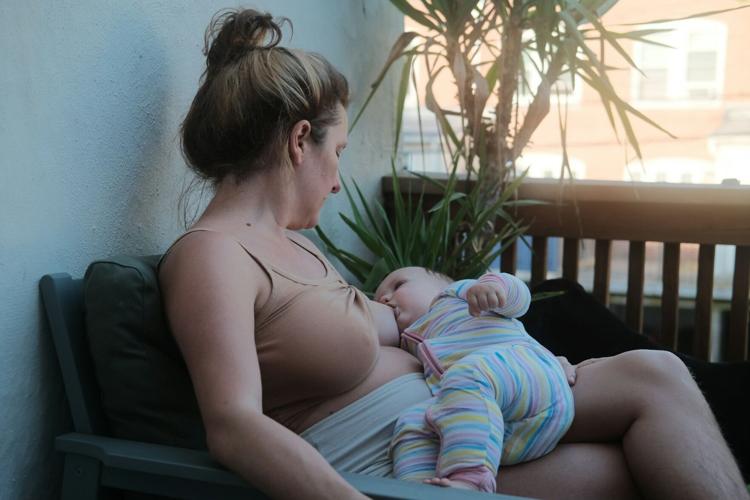
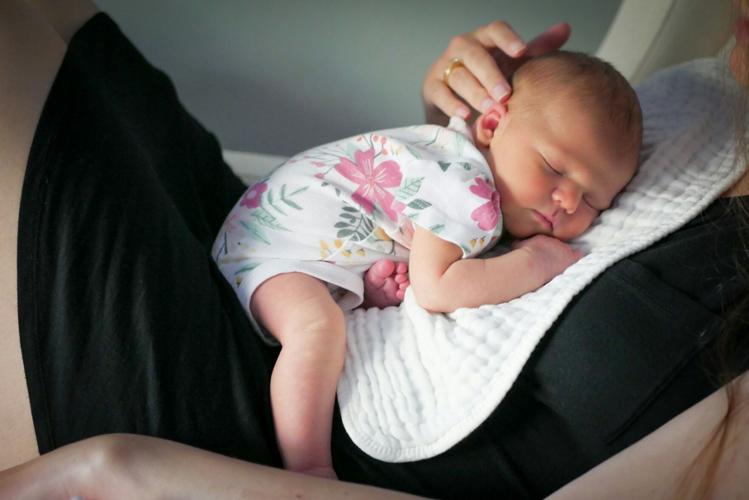
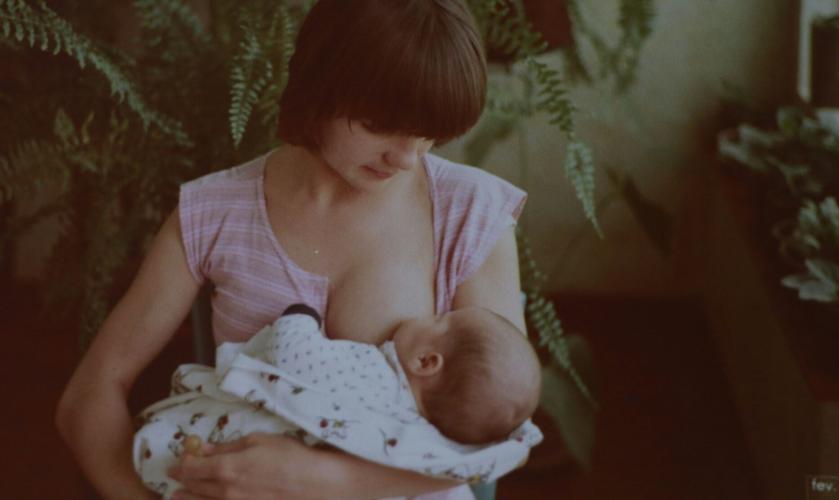
Moms who breastfeed are less likely to suffer depression or anxiety later in life, according to new research.
Breastfeeding may lower mothers’ risks of suffering from mental health issues for up to 10 years after pregnancy, suggest the findings.
Previous research has shown that breastfeeding reduces the risk of postnatal depression and anxiety.
But, until now, it was not clear if the trend persisted in the longer term.
For the new study, published in the journal BMJ Open, Irish researchers tracked the breastfeeding habits and health of 168 second time mothers.
Dr. Fionnuala McAuliffe, of University College Dublin School of Medicine, said: "The finding that breastfeeding may reduce mothers’ later life chance of depression and anxiety is very exciting and is another great reason to support our mothers to breastfeed."
The women were recruited from early pregnancy and they and their children had check-ups at three and six months, and two, five, and 10 years after birth, by which time their average age of mothers was 42.
At each check-up, the moms completed a detailed health history questionnaire.

Frankie
The survey asked whether they had been diagnosed with, and treated for, depression and or anxiety.
The moms also provided information on potentially influential factors, including diet and physical activity levels.
The mothers were also asked whether they had ever breastfed or expressed milk for a day or more; the total number of weeks of exclusive breastfeeding; total number of weeks of any breastfeeding; and cumulative periods of breastfeeding of less or more than 12 months.






Almost three out of four the participants (73%) reported having breastfed at some point.
The average period of exclusive breastfeeding lasted 5.5 weeks and that of any breastfeeding for 30.5 weeks.
More than a third (37.5%) reported cumulative lifetime periods of breastfeeding adding up to at least 12 months.
A total of 13% of the women reported depression or anxiety at the 10-year check-up, with a further 21% reporting depression or anxiety at any time point.
Those reporting depression or anxiety at the 10-year check-up were younger, less physically active and had lower well-being scores at the start of the study than those who didn’t report this.

Luiza Braun
Analysis of the data showed that women experiencing depression and anxiety at 10 years after pregnancy were less likely to have breastfed and had shorter durations of any or exclusive breastfeeding over their lifetime.
Each week of lifetime exclusive breastfeeding was associated with a 2% lower likelihood of reporting depression and anxiety, after accounting for potentially influential factors, including alcohol intake.
Dr. McAuliffe emphasised that it was an observational study, and as such, no firm conclusions can be drawn about cause and effect.
But she said: “We suggest there also may be a protective effect of successful breastfeeding on postpartum depression and anxiety, which in turn lowers the risk of maternal depression and anxiety in the longer term.
“The likelihood is that the association is multifactorial, as many socio-economic and cultural factors influence both breastfeeding and mental health.
"Additionally, women with a prior history of depression and anxiety are at risk of lower breastfeeding success, compounding the association.”
Dr. McAuliffe added: “We know that improving breastfeeding rates and duration can improve mothers’ lifetime health outcomes in terms of less diabetes and heart disease and reduces at population level disease burden with resultant significant healthcare savings.
“The possibility that breastfeeding could further reduce the huge burden of depression on individuals, families, healthcare systems and economies only adds to the argument for policymakers to further promote breastfeeding.”



(0) comments
Welcome to the discussion.
Log In
Keep it Clean. Please avoid obscene, vulgar, lewd, racist or sexually-oriented language.
PLEASE TURN OFF YOUR CAPS LOCK.
Don't Threaten. Threats of harming another person will not be tolerated.
Be Truthful. Don't knowingly lie about anyone or anything.
Be Nice. No racism, sexism or any sort of -ism that is degrading to another person.
Be Proactive. Use the 'Report' link on each comment to let us know of abusive posts.
Share with Us. We'd love to hear eyewitness accounts, the history behind an article.