

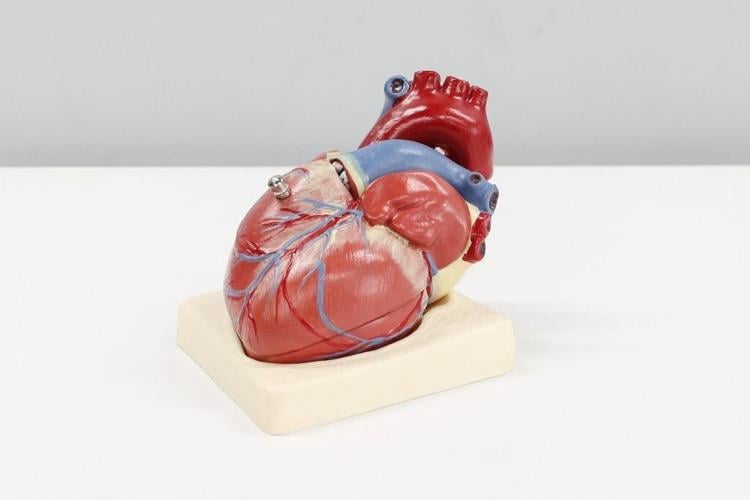



Photo by Pavel Danilyuk via Pexels
By Lauren Wilkin
A new report analyzing NHS data has discovered people with severe mental illness are five times more likely to die before they are 75.
The report by Rethink Mental Illness discovered a "mortality gap" between those living with severe mental illness and those without.
It found people living with SMI are dying on average 15-20 years earlier than the general population and were more likely to develop diseases like cancer younger than adults who don't live with SMI.
After analyzing NHS data, the report found that people with SMI are more likely to develop long-term conditions such as cardiovascular disease, diabetes, and respiratory illnesses.
It also found that they are disproportionately affected by smoking, poor diet, and low physical activity – often for reasons directly related to the experience of living with a mental illness.
While suicide levels were higher among this group, the data showed that the link between physical diseases and SMI was more significant.

Photo by Ali Hajiluyi via Unsplash
The data showed that people living with SMI often develop chronic physical health conditions such as higher body weight, asthma, diabetes, chronic obstructive pulmonary disease (COPD), coronary heart disease (CHD), stroke, heart failure and liver disease.
Not only are people with SMI likely to develop these conditions at a younger age than the general population, but they're also more likely to develop more than one of these chronic conditions.
Before the age of 75, people living with a mental illness are:
6.3 times as likely to die from liver disease
6.0 times as likely to die from a respiratory disease





3.8 times as likely to die from a cardiovascular disease
2.25 times as likely to die from cancer
One possible explanation is that 40% of people with SMI are smokers, compared with 13% of the general adult population.
The data showed that 50% of deaths in people living with SMI are attributed to smoking, which is a high proportion.
Aside from this, the report states: "People with SMI can be prone to physical illnesses for different reasons. They may use food as a source of comfort, have low levels of physical activity, smoke cigarettes or misuse drugs and alcohol."
However, the researchers behind the report say that systemic issues - like a lack of joined-up care and social exclusion - are making things worse for people with SMI.

Photo by Alex Green via Pexels
The report found that people with SMI who are experiencing physical health issues can struggle to receive the care they need.
It stated: "A lack of integrated physical and mental healthcare results in fragmented treatment, lacking a holistic, person-centered approach."
And "diagnostic overshadowing" was also to blame. This means that physical symptoms were often mistaken for symptoms of an existing mental illness and therefore not investigated further.
One of the most important findings was that people with SMI were much more likely to live in poverty. The report states that this can "limit their ability to afford healthy food, access healthcare, and increase stress, which worsens health."
The researchers are calling for a change in care and ways to improve the physical health of people living with SMI.
They said: "We found that personalized care and support from healthcare professionals, peer support and trusted companions reduced anxiety and boosted confidence; welcoming, tailored environments encouraged participation; and co-designed approaches with people with lived experience made interventions more effective."
(0) comments
Welcome to the discussion.
Log In
Keep it Clean. Please avoid obscene, vulgar, lewd, racist or sexually-oriented language.
PLEASE TURN OFF YOUR CAPS LOCK.
Don't Threaten. Threats of harming another person will not be tolerated.
Be Truthful. Don't knowingly lie about anyone or anything.
Be Nice. No racism, sexism or any sort of -ism that is degrading to another person.
Be Proactive. Use the 'Report' link on each comment to let us know of abusive posts.
Share with Us. We'd love to hear eyewitness accounts, the history behind an article.