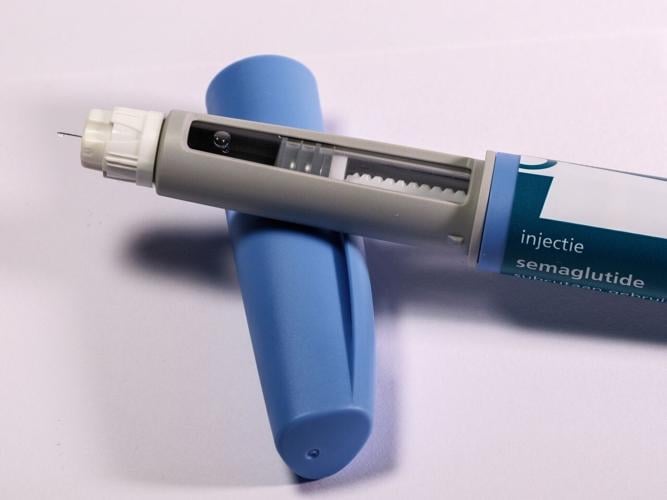





(Photo by Haberdoedas Photography via Pexels)
By Alexandra Snow
The U.K. medicines regulator has received more than 200 reports of deaths linked to weight-loss medication.
Hundreds of thousands of people have reported adverse reactions patients have had after taking GLP1s, to the Medicines and Healthcare Products Regulatory Agency (MHRA) — with 216 reports of deaths.
The drugs — which are also used to treat diabetes — have rocketed in popularity in recent years due to increased availability and the introduction of tablets.
The data, collected through the MHRA's Yellow Card scheme, includes reports from patients, the public, healthcare professionals, pharmaceutical companies or other regulators.
106,309 reports of adverse reactions to Mounjaro — also known as tirzepatide — were reported, of which 11,554 were serious and 120 were fatal.
For semaglutide, also known as Wegovy, 48,148 adverse reactions were reported, of which 5,682 were serious and 59 were deaths.
For liraglutide, called Saxenda, 4,528 adverse reactions were reported, of which 1,119 were serious and 37 were fatal outcomes.
The MHRA said that each fatal outcome may not represent individual cases as multiple people can report the same case to the scheme.

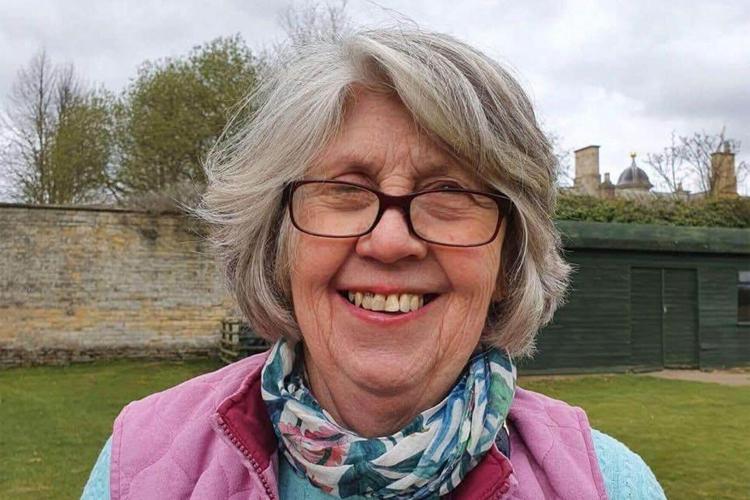
Caroline Savage died in 2024 from fecal peritonitis, a leaking of fecal matter into the abdominal cavity that was caused by perforation of part of her intestines. (Susannah Savage via SWNS)
The cause of each fatal outcome is not confirmed to be due to the medication, but each report is a belief or concern that the medication may have contributed. Underlying or previously undiagnosed illness unrelated to the medicine can also be factors in such reports.
The MHRA said they want to "reassure patients that GLP-1 medicines are safe for the majority of users."
A report from the Food Foundation found that nearly 7% of the U.K. population are using or have used GLP-1 drugs, while a further 8% are considering or have considered taking them.
This comes after an inquest heard that Caroline Savage, 73, a grandmother from Worthwell, England, died after developing sudden and severe pain following an increase in the dose of her Mounjaro shot.
Caroline had been privately prescribed the weight-loss drug to lose weight and ease symptoms associated with lipedema.





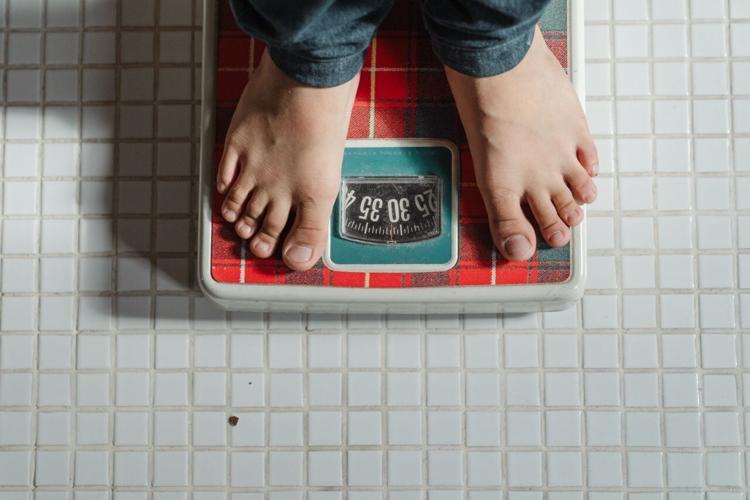
(Photo by Ketut Subiyanto via Pexels)
She had been taking it for about four months but fell seriously ill shortly after being advised to raise the amount she was taking.
She died from fecal peritonitis — a leaking of fecal matter into the abdominal cavity — caused by perforation of part of her intestines on Oct. 19, 2024.
An inquest into her death at Norfolk's Coroner Court has been examining the extent to which it may be linked to the weight loss drug, which is known to have gastrointestinal side effects.
An MHRA spokesperson said: "We want to reassure patients that GLP-1 medicines are safe for the majority of users.
"It is important to place these reports in the context of the millions of GLP-1 prescriptions issued in the U.K. Reporting volumes can be influenced by increased use, greater awareness of a potential adverse reaction and other factors.
"We take all reports of suspected adverse reactions, including fatalities, extremely seriously and assess them carefully. Reports of a suspected adverse reaction do not necessarily mean that the medicine caused the event.
"As with all medicines, the safety of GLP-1's are kept under continual review, including emerging evidence from spontaneous data and scientific publications. Any potential updates regarding the safety for these medicines would be promptly communicated to patients and healthcare professionals, and appropriate steps taken to mitigate any identified risk.
"On the basis of the current evidence, the benefits of GLP-1 receptor agonists outweigh the potential risks when used in line with their authorized uses."

Caroline Savage and her husband former district councillor Jeremy Savage. (Susannah Savage via SWNS)
A Novo Nordisk spokesperson said: "At Novo Nordisk we care deeply about patient safety. Like all medicines, treatments used for chronic conditions can have side effects, and these can vary from person to person.
"That is why medicines should be prescribed by, and used under the supervision of, a healthcare professional, who can consider the potential benefits and risks for each individual.
"We recommend that any patient experiencing side effects while taking GLP-1 RA medicines report them to their healthcare provider and via the MHRA Yellow Card scheme."
An Eli Lilly spokesperson said: "Patient safety is Lilly's top priority. We take reports regarding patient safety seriously and actively monitor, evaluate, and report safety information for all our medicines.
"Regulatory agencies conduct extensive independent assessments of the benefits and risks of every new medicine. Patients taking Mounjaro (tirzepatide), like with any other prescription medicine, may experience adverse events. Adverse events should be reported under the MHRA's Yellow Card scheme.
"Mounjaro (tirzepatide) should only be used when prescribed by a healthcare professional. We encourage patients to consult their doctor or other healthcare professional regarding any side effects they may be experiencing and to ensure that they are getting genuine Lilly medicine."

(0) comments
Welcome to the discussion.
Log In
Keep it Clean. Please avoid obscene, vulgar, lewd, racist or sexually-oriented language.
PLEASE TURN OFF YOUR CAPS LOCK.
Don't Threaten. Threats of harming another person will not be tolerated.
Be Truthful. Don't knowingly lie about anyone or anything.
Be Nice. No racism, sexism or any sort of -ism that is degrading to another person.
Be Proactive. Use the 'Report' link on each comment to let us know of abusive posts.
Share with Us. We'd love to hear eyewitness accounts, the history behind an article.