




(Photo by Plann via Pexels)
By Stephen Beech
Online influencers tempt young people to drink alcohol, suggests a new study.
Researchers found that young adults who viewed influencer posts with alcohol were 73% more likely to desire a drink than those who watched similar posts – from the same influencers – with no alcohol involved.
Casual cues - such as a wine bottle on a table during a podcast - really do matter, according to the findings.
The American study, published in the journal JAMA Pediatrics, is the first randomized trial to show that exposure to alcohol in social media drives the desire to drink.
Research leader Professor Jon-Patrick Allem said: “We wanted to move beyond association to establish temporal order, that is to say, participants’ desire to drink came about after watching the content."
To do that, the team recruited a national sample of adults ages 18 to 24 and randomly assigned them to one of two “feeds.”

(Photo by Maor Attias via Pexels)
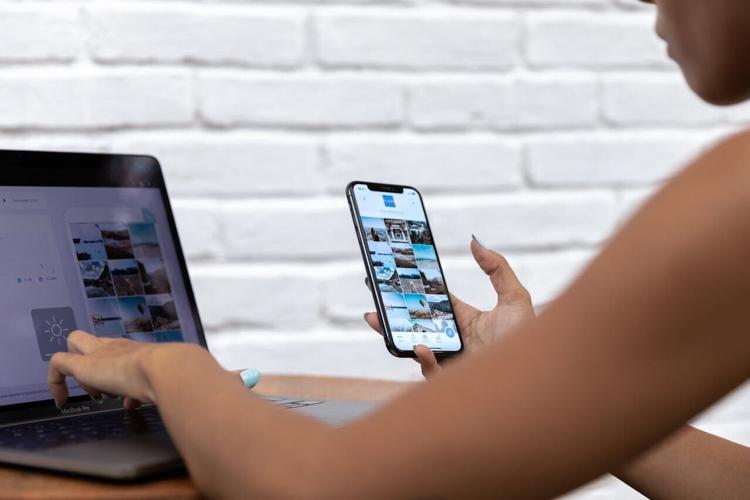
Each participant watched 20 short Instagram posts from lifestyle influencers, designed to resemble a typical scroll.
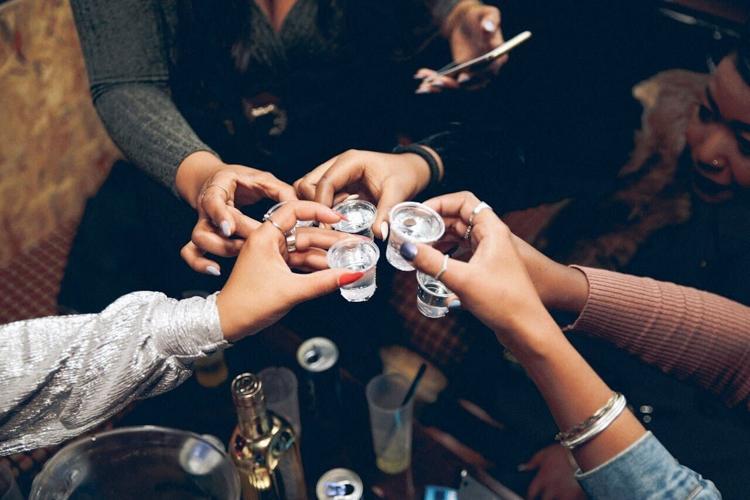
The posts for one group all included alcohol consumption or pro-alcohol imagery, such as holding a drink.
The other group saw similar posts from the same influencers, matched for broad features such as whether the influencer was alone or in a group and whether the content was sports-related or instructional, but without alcohol.
In one example, the first group saw the couple preparing dinner while sipping wine, while the others saw a similar kitchen scene where the couple happened to be sipping cocoa.
After adjusting for factors including daily social media use, lifetime alcohol consumption and previous exposure to alcohol marketing, participants who saw alcohol in the videos were 73% more likely than those who saw no alcohol to report increased desire to drink right after watching the videos.
Participants who rated the influencers as trustworthy, honest and knowledgeable were more than five times as likely to report a heightened desire to drink after seeing videos with alcohol.
Allem, of Rutgers School of Public Health, New Jersey, said: "None of the videos were overt commercials for alcohol.

(Photo by Pavel Danilyuk via Pexels)
"It is something far more subtle than that.






"This is content people come across in their normal perusing of Instagram or TikTok, just the goings-on of daily life for the influencers in the video."
The findings arrive as overall alcohol consumption in the United States has fallen to historic lows, driven in part by younger generations drinking less than their predecessors.
But, among those who do drink, heavy and binge drinking remain common.
Allem said: "The positive story is that drinking prevalence is down.
"The unfortunate part is that those who drink are drinking quite a bit."
Co-author Dr. Alex Russell, of Harvard Medical School, said: “Decades of research show that the earlier someone takes their first drink, the more likely they are to experience alcohol-related problems later in life.
“Delaying drinking initiation is therefore a key prevention strategy.
"As online spaces like social media increasingly shape youth drinking behaviors, prevention efforts must also focus on these digital environments.”
The research builds on previous work by Allem connecting consumption of alcohol-related videos and alcohol use, was funded by the Rutgers Cancer Institute, reflecting a widening focus on alcohol’s links to cancer.

(Photo by Helena Lopes via Pexels)
Allem says that any amount of alcohol increases one’s risk of select cancers, particularly those along the gastrointestinal tract, like mouth, throat, esophagus, and colon.
The experiment doesn’t show whether a brief burst of desire translates into actual drinking, or whether repeated exposure over months changes behavior.
But Allem says the trial adds experimental evidence to a debate over the role social media plays in the lives of young people.
He said: “The online world has the ability to shape offline behaviors."
Now Allem and his team want to test how different sources of alcohol content affect young adults, separating influencer posts from brand advertising and from peer-generated content.
He says the goal is to build an evidence base that can inform how society thinks about alcohol marketing in digital spaces that are difficult to police and easy to access.
Allem added: “We want to be thinking about ways to reduce things in the environment that prime people to want to drink, that normalize it, that glamorize it, that put it in a positive light."



(0) comments
Welcome to the discussion.
Log In
Keep it Clean. Please avoid obscene, vulgar, lewd, racist or sexually-oriented language.
PLEASE TURN OFF YOUR CAPS LOCK.
Don't Threaten. Threats of harming another person will not be tolerated.
Be Truthful. Don't knowingly lie about anyone or anything.
Be Nice. No racism, sexism or any sort of -ism that is degrading to another person.
Be Proactive. Use the 'Report' link on each comment to let us know of abusive posts.
Share with Us. We'd love to hear eyewitness accounts, the history behind an article.