



Dima Solomin
By Stephen Beech
Tiny plastic particles in food could cause liver damage, warns a new study.
Microplastics and polystyrene inadvertently consumed while eating may also alter our metabolism, say researchers.
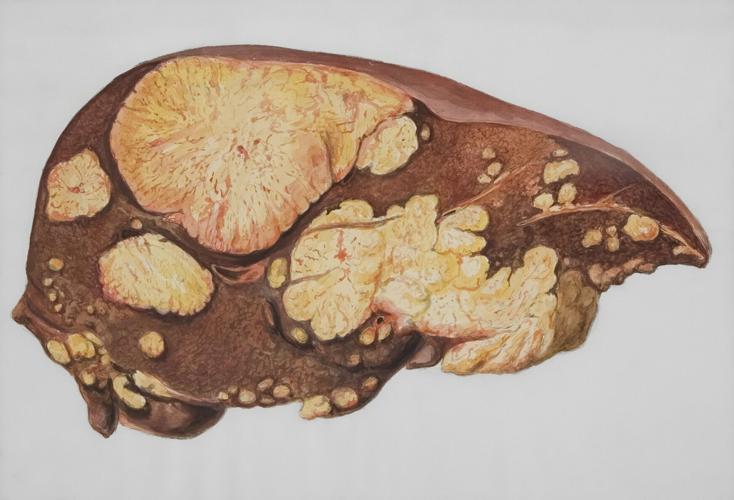
The new animal study suggests that microscopic plastic particles found in some food and drinks may affect glucose metabolism and harm internal organs, including the liver.
American scientists say their findings "raise concerns" about potential health risks and they called for more research.
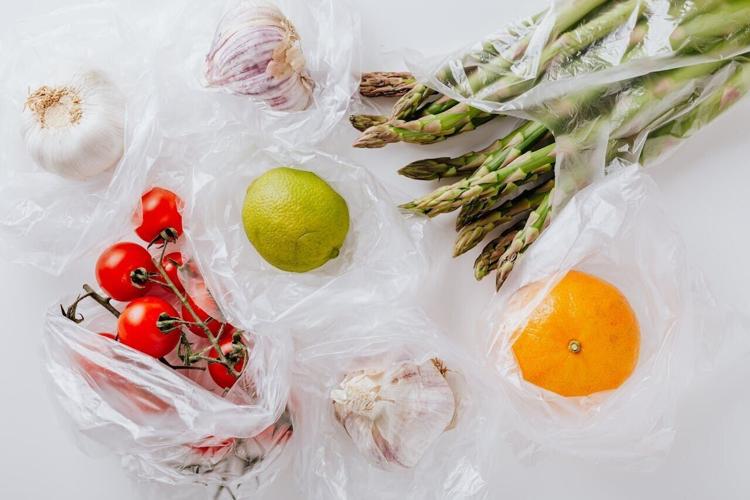
As plastic breaks down, it forms micro- (less than five millimetres) and nanoparticles (less than 100 nanometres), which can enter the food chain and end up in fish and other foods people eat.
Studies estimate that a person may ingest 40,000 to 50,000 microplastic particles a year through food and drinks, with some estimating exposure to be as high as 10 million particles per year.
Study leader Amy Parkhurst said: “With the growing concern around micro- and nano-plastic exposure, we wanted to evaluate the impact of this exposure on health.

Europeana
“Our observations that oral ingestion of polystyrene nano-plastics contributes to glucose intolerance and signs of liver injury, confirm and extend what has been recently reported on the effects of nano-plastics in animal models.”
The research team focused on exposure via oral consumption to mimic nanoparticles found in food and drink.






They gave 12-week-old male mice a standard rodent diet with a daily oral dose of polystyrene nanoparticles.
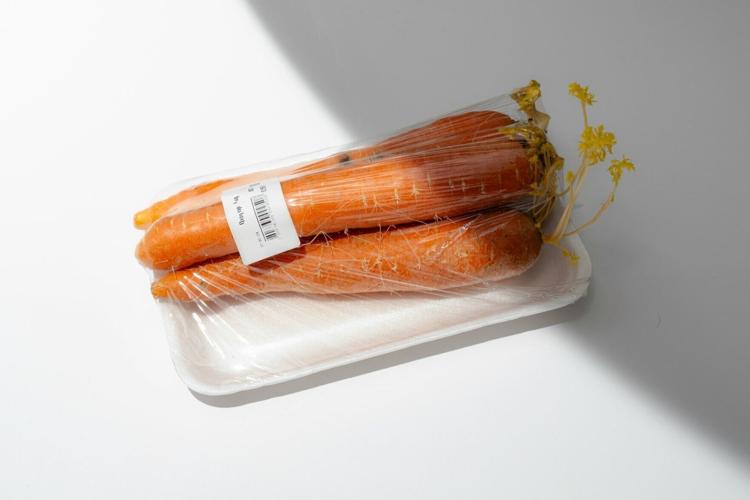
Polystyrene is often found in food packaging and products.
The research team chose a daily nanoparticle dose of 60 mg per kilo of body weight, based on human exposure levels and earlier mouse studies that showed health effects at similar amounts.
Parkhurst, a doctoral candidate at the University of California, Davis, said: “We can’t control for all the plastics the mice are exposed to.
"However, our study design allowed us to see dose-correlated changes since the nanoplastics-dosed group would have a higher exposure.”

Compared to the control group receiving no polystyrene, she said the mice consuming nano-plastics exhibited systemic glucose intolerance and elevated alanine aminotransferase, which indicates liver injury.
In the mice consuming polystyrene, the researchers also observed an increase in gut permeability and elevated levels of endotoxin, which contribute to liver dysfunction.
Parkhurst added: “Our findings warrant further studies to help inform policy around micro and nano plastics.
“Robust scientific evidence plays a key role in shaping monitoring efforts and guiding regulations.”
The findings were presented at the annual meeting of the American Society for Nutrition in Orlando, Florida.
(0) comments
Welcome to the discussion.
Log In
Keep it Clean. Please avoid obscene, vulgar, lewd, racist or sexually-oriented language.
PLEASE TURN OFF YOUR CAPS LOCK.
Don't Threaten. Threats of harming another person will not be tolerated.
Be Truthful. Don't knowingly lie about anyone or anything.
Be Nice. No racism, sexism or any sort of -ism that is degrading to another person.
Be Proactive. Use the 'Report' link on each comment to let us know of abusive posts.
Share with Us. We'd love to hear eyewitness accounts, the history behind an article.