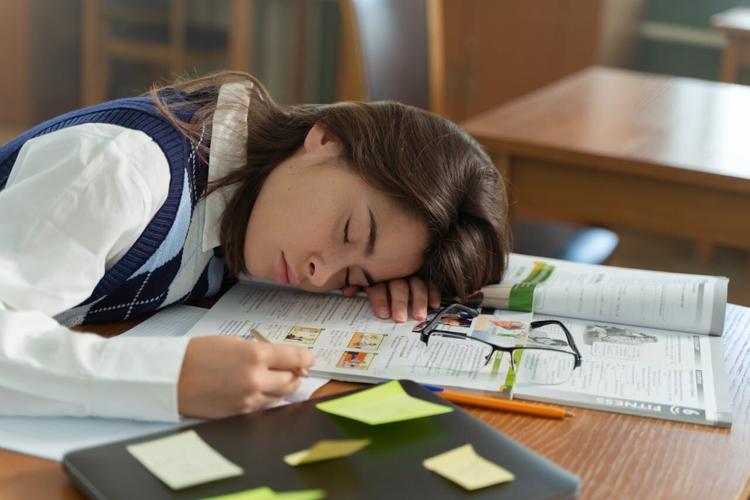


Photo by Yaroslav Shuraev via Pexels
By Stephen Beech
Students stay up all hours because they want to feel part of the crowd, suggests a new study.
How late young adults go to sleep is influenced by their need to belong, say scientists.
Their study is the first to identify social influence as a potential driver of burning the midnight oil and insufficient shuteye in students.
The findings show that sleep duration was more than an hour shorter on school nights when college students delayed their bedtime for in-person social leisure activities.
On those nights, their bedtime was strongly correlated with the timing of their last objectively measured social interaction with friends.
Students within the bedtime procrastination social network scored higher on the need to belong compared with students outside the network.
The need to belong also predicted "tie formation" within the bedtime procrastination social network, according to the research team.







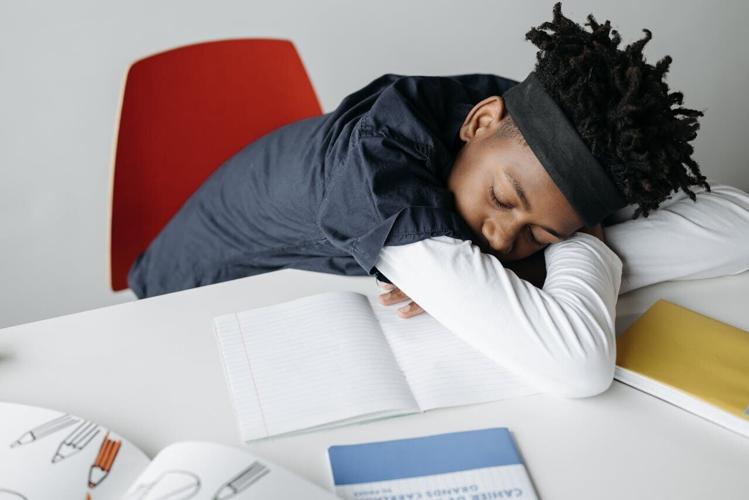
Photo by Pavel Danilyuk via Pexels
Principal investigator Dr. Joshua Gooley, an Associate Professor at Duke-NUS Medical School in Singapore, said: “As far as we know, this is the first study to identify 'need to belong' as a potential driver of social bedtime procrastination and short sleep."
Experts recommend that adults should sleep seven or more hours per night on a regular basis to promote optimal health.
But bedtime procrastination - choosing to go to bed later despite being aware of its potential negative consequences - reduces the opportunity to get sufficient sleep.
The study, published in the journal Sleep, involved a sample of 104 university students in a residential college, including 59 women.
They wore an actigraph and a proximity beacon watch for two weeks during the school semester to estimate their nocturnal sleep and track when they were near one another.
The participants also completed daily diaries while "The Need to Belong Scale" assessed individual differences in the desire for acceptance and belonging.
Dr. Gooley said that the strength of their findings was surprising.
He added: “We often think of sleep loss as being caused by screen time or work, but social needs, especially in group-living environments, can be just as powerful at influencing sleep.”
(0) comments
Welcome to the discussion.
Log In
Keep it Clean. Please avoid obscene, vulgar, lewd, racist or sexually-oriented language.
PLEASE TURN OFF YOUR CAPS LOCK.
Don't Threaten. Threats of harming another person will not be tolerated.
Be Truthful. Don't knowingly lie about anyone or anything.
Be Nice. No racism, sexism or any sort of -ism that is degrading to another person.
Be Proactive. Use the 'Report' link on each comment to let us know of abusive posts.
Share with Us. We'd love to hear eyewitness accounts, the history behind an article.