


Dallas County’s juvenile detention and treatment programs are seeing dramatic shifts in the youth they serve, but staff say the mission remains the same: to protect, educate and redirect young people toward a better future.
Director Marcus Hannah, who has worked with the Dallas County Juvenile Detention Center since 1993, said the most significant change over the decades is the severity of offenses.
“Almost 80 to 90% of our kids are dealing with some type of weapon (charge),” he said, noting that gun-related cases have sharply increased compared to the 1990s.
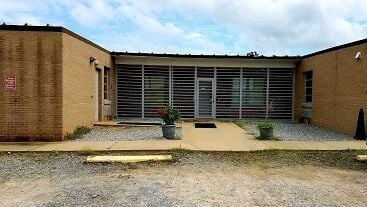
The Juvenile Detention Center and the Perry Varner Educational Treatment Facility work together, but they serve different roles. The detention center is a short-term holding facility where youth are held for up to 72 hours while awaiting a judge’s decision. Perry Varner is an eight- to 12-week treatment program focused on rehabilitation.
“The detention center is a holding facility. Perry Varner is a treatment facility,” Hannah said.
The programs collectively serve between 450 to 470 youth each year. Some youth struggle after being released. Almost 10% return to the facility, but staff say 80-85% go on to graduate high school, join the workforce, attend college or enlist in the military.
"There’s a lot of great things that come out of these programs,” Hannah said. “People just don’t hear about them.”
Without the investment in the programs from the Dallas County Commission, Hannah said the county’s crime rate would be significantly higher.
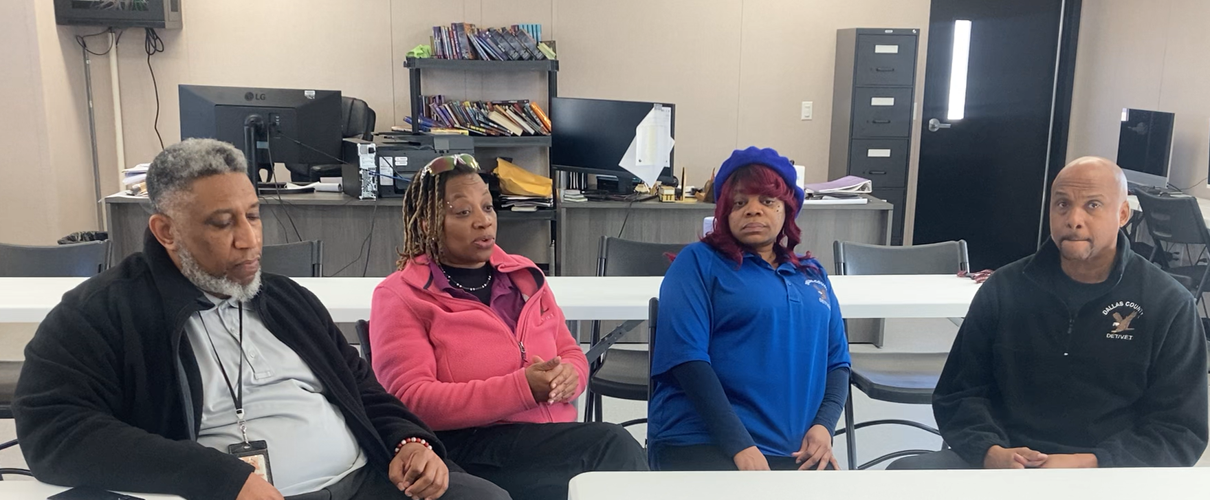
Assistant Director Kimberly Bonner, on staff since 2006, said the team adapts constantly to meet the needs of today’s youth. Programs include drug and anger management, behavioral health services, life skills training, spiritual counseling, Boy Scouts and mentoring.






Program Coordinator Veronica Evans highlighted hands-on learning, including gardening and culinary arts. “They get to plant it, watch it grow and give vegetables back to the elderly,” she said.
Liaison Cedric Wherry works closely with youth, parents and the courts. He said his approach centers on trust, encouragement and change.
“When you don’t make a change, nothing changes,” he tells the young men, many of whom have never had a positive male role model.
Bonner said youth must see alternatives to the combative behavior they often witness in their communities.
“Our motto is, ‘When the temperature rises, we decrease,’” Bonner said.
A major focus at Perry Varner is showing youth a world beyond their neighborhoods. Many teens experience first-time moments like fishing or camping. The teens take trips to colleges, museums, factories and community events. They even visit a funeral home to see the consequences of violence.
Hannah, once a juvenile detainee himself, said he and Evans grew up in the same facility they now help lead. They said their presence gives the youngsters hope.
Former participants often return to thank staff—sometimes years later. One young man even visited on Christmas day to express gratitude and speak to current residents.
Despite the challenges, the team remains committed. “It’s a privilege for me every day to stand before these young people,” Wherry said.
Watch a full interview with the team here.
(0) comments
Welcome to the discussion.
Log In
Keep it Clean. Please avoid obscene, vulgar, lewd, racist or sexually-oriented language.
PLEASE TURN OFF YOUR CAPS LOCK.
Don't Threaten. Threats of harming another person will not be tolerated.
Be Truthful. Don't knowingly lie about anyone or anything.
Be Nice. No racism, sexism or any sort of -ism that is degrading to another person.
Be Proactive. Use the 'Report' link on each comment to let us know of abusive posts.
Share with Us. We'd love to hear eyewitness accounts, the history behind an article.