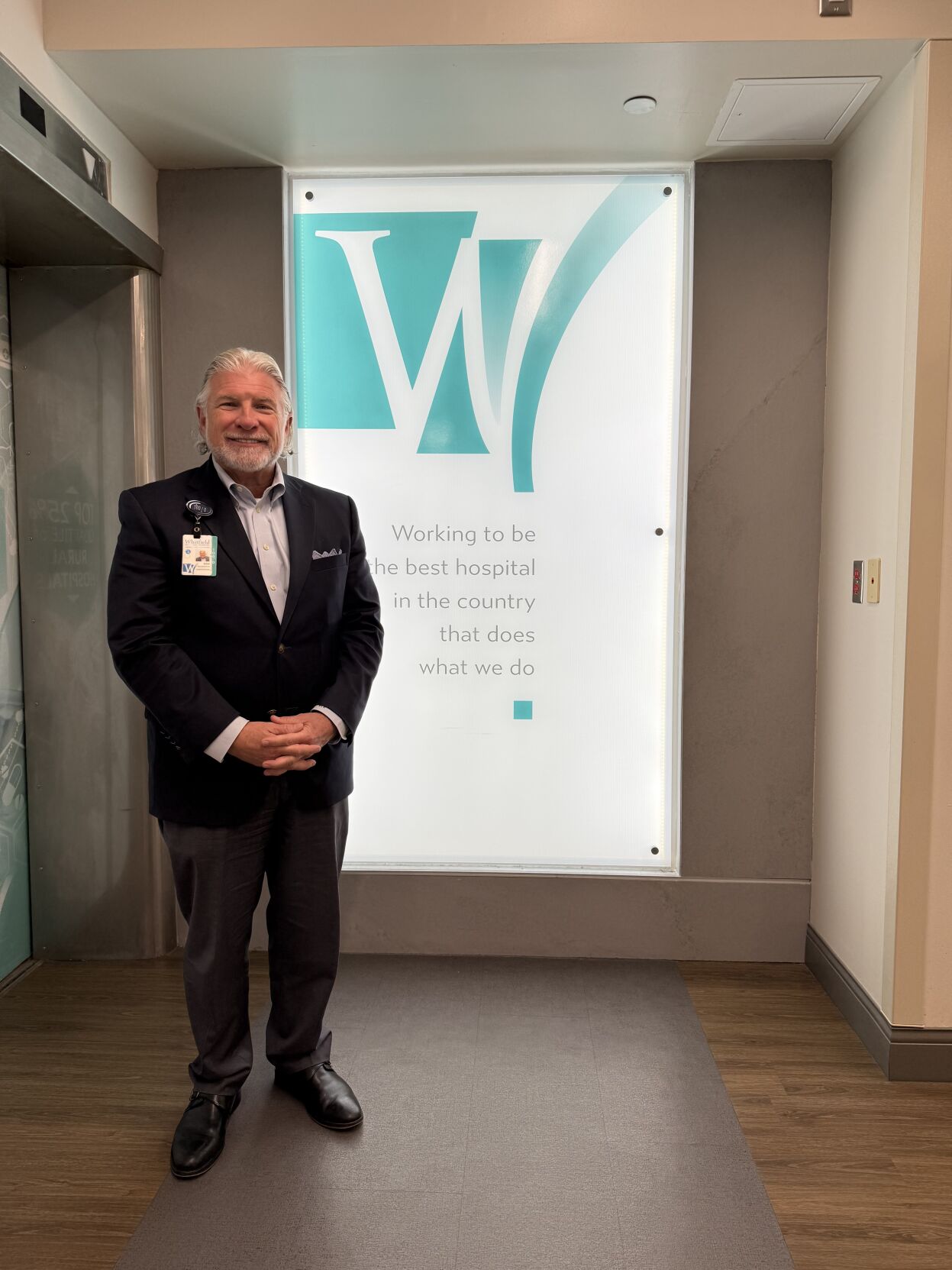

Whitfield Regional Hospital has released a study that shows its economic impact on the Black Belt region is $83 million a year.
The hospital, located on Highway 80 in Demopolis, employs 350 people and generates a total labor impact of almost $24 million in Marengo County and surrounding counties, according to 2023 hospital data from IMPLAN Economic Impact Analysis.
CEO Doug Brewer said the 2025 economic impact would be closer to $100 million for the region.
“Economic impact drives not just the economic growth of the region, but it drives the health of the region too in many, many ways,” Brewer said in an exclusive interview with the Black Belt News Network. “It's not just a number.”
Besides being an economic driver and employer for the region, the hospital also provides key medical care to thousands in the Black Belt, a region where healthcare is lacking.
In 2023, Whitfield had 2,000 inpatient stays, 40,000 outpatient visits and 12,000 visits to its emergency department, the study shows.
Whitfield, which is a subsidiary of the University of Alabama at Birmingham Health System and led by the Tombigbee Healthcare Authority, is one of the only medical centers remaining open for 24/7 services in the Black Belt. In the last year, Thomasville Regional Medical Center in Clarke County closed, and Grove Hill Memorial Hospital reduced services, including closing labor and delivery services in August.
Whitfield hospital also closed its OB unit last year, citing a loss of $30,000 a month due to low reimbursement rates from Medicaid. However, the Demopolis hospital has also invested in several upgrades in recent years, including a renovated and expanded emergency department that opened in 2023, an updated ICU unit and upgraded technology such as a new MRI machine.
Whitfield is seeing better healthcare results since Brewer joined the hospital eight years ago. He says they were able to do that by identifying key chronic rural health issues and finding ways to reduce them. The top issues being addressed are complications of diabetes, such as wound care, as well as kidney failure and heart disease.






Whitfield now has more doctors available either on staff or through their connection to UAB. The hospital also has equipment to diagnose and treat those recurring problems, Brewer said.
“There isn’t a service we put in place here that doesn't have a huge need attached to it,” Brewer said. “We have to be very selective in doing things as close to cost effectively as we can.”
Marengo County is one of the only counties in the state to see a reduction in diabetes cases. He said adding a certified diabetes educator a year ago has helped. The educator meets with patients living with diabetes to help them learn ways to reduce impact of the chronic disease.
Brewer said industries like International Paper are supportive of Whitfield, because they realize having a good hospital nearby keeps insurance rates low and provides their employees a safe place to be treated. And a good hospital brings more industries to town, he added.
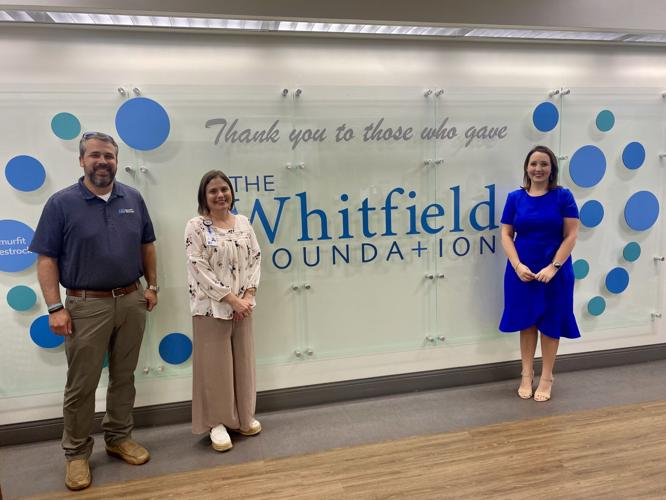
Whitfield recently restarted the Whitfield Foundation and hosted a gala fundraiser in January that raised $22,000 for a new MRI machine. The foundation accepts donations as an alterative revenue source and recognizes donors on a new wall recently installed in the main hospital.
Brewer said he came to Whitfield after working in many bigger hospitals, including St. Louis, Missouri, “because I really get to see the difference that you don’t see in bigger markets.”
But rural healthcare is not for the faint of heart. A majority of patients visiting rural hospitals are on Medicaid, which has a lower reimbursement rate than private insurance. And the state has refused to expand Medicaid, which causes financial problems for all of Alabama’s 52 rural hospitals. A report from the Center for Healthcare Quality and Payment Reform shows that 19 of those rural hospitals are at immediate risk of closing.
Whitfield plays a key role not only in healthcare in the Black Belt, but also in the education of the state’s future healthcare workers. Whitfield will be the teaching lynchpin of the future Alabama Healthcare Sciences high school. The state’s first and only residential school for teens learning to be health care professionals opens in Demopolis in fall 2026. Plans are for the main $70 million school and dorm to be constructed behind Whitfield, where students can easily walk to the hospital for hands-on experience.
Wallace Community College is also building a $10 million classroom building next to Whitfield that will host dual enrollment classes for those high schoolers and others wanting to enter the healthcare industry.
(0) comments
Welcome to the discussion.
Log In
Keep it Clean. Please avoid obscene, vulgar, lewd, racist or sexually-oriented language.
PLEASE TURN OFF YOUR CAPS LOCK.
Don't Threaten. Threats of harming another person will not be tolerated.
Be Truthful. Don't knowingly lie about anyone or anything.
Be Nice. No racism, sexism or any sort of -ism that is degrading to another person.
Be Proactive. Use the 'Report' link on each comment to let us know of abusive posts.
Share with Us. We'd love to hear eyewitness accounts, the history behind an article.