
An interim resolution has been reached following an investigation by the Department of Justice (DOJ) and the Health and Human Services (HHS) into sanitation policies in Lowndes County.
According to a statement by HHS, the investigation began in November of 2021 into the Alabama Department of Public Health and the Lowndes County Health Department (collectively ADPH) in Lowndes County regarding Title VI of the Civil Rights Act of 1964 and Section 1557 of the Affordable Care Act.
The investigation was launched to determine if these policies were violated by the health department agencies.
Title VI disallows discrimination in distributing federal funds based on race, color, or national origin. Section 1557 says that "an individual shall not be excluded from participation in, denied the benefits of, or subjected to discrimination under, any health program or activity, any part of which is receiving federal financial assistance, based on the grounds prohibited under Title VI," the HHS statement said.
Additionally, the statement said that "concerns" were found in the way that APDH was handling environmental policies for residents of Lowndes County, specifically that they were being threatened with criminal penalties for sewages issues that they reportedly could not resolve.
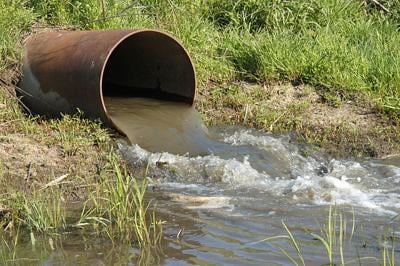
The statement also said that their investigation found that ADPH was not addressing health issues caused by exposure to raw sewage.
“Today starts a new chapter for Black residents of Lowndes County, Alabama who have endured health dangers, indignities and racial injustice for far too long,” said Assistant Attorney General Kristen Clarke of the Justice Department’s Civil Rights Division.






“Our agreement puts Lowndes County on a path to long overdue reform as the state now takes steps necessary to provide access to basic sanitation services, end exposure to raw sewage and improve health outcomes for marginalized communities. This agreement marks the first environmental justice settlement ever secured by the Justice Department under our civil rights laws."
"Our work in Lowndes County should send a strong message regarding our firm commitment to advancing environmental justice, promoting accountability and confronting the array of barriers that deny Black communities and communities of color access to clean air, clean water and equitable infrastructure across our nation.”
A resolution was reach in which the DOJ and HHS will suspend their investigation if the ADPH will agree to certain terms. From the statement:
- Suspending Criminal Penalties and Liens: ADPH will suspend enforcement of sanitation laws that could result in criminal charges, fines, jail time, and potential property loss for residents in Lowndes County who lack the means to purchase functioning septic systems. ADPH will ensure that Lowndes County residents are informed about the suspension of the criminal penalties and liens.
- Examining Public Health Risks within Lowndes County: ADPH will coordinate with the Centers for Disease Control and Prevention (CDC) to measure the level of health risks different populations experience from raw sewage exposure. ADPH agrees to work collaboratively with the CDC and adopt any public health recommendations provided by the CDC.
- Launching a Public Health Awareness Campaign: ADPH will develop a public health awareness campaign using radio, print ads, flyers, mailers, door-to-door outreach, and other appropriate ways to ensure residents receive critical health and safety information related to raw sewage exposure.
- Providing Public Health Educational Materials for Lowndes County Health Care Providers: ADPH will create or supplement education materials for health care providers for Lowndes County residents, including school-based health centers and community-based organizations, to provide more information on symptoms and illness related to raw sewage exposure.
- Conducting Assessment to Determine Appropriate Septic and Wastewater Management Systems: ADPH will conduct a comprehensive assessment to determine the appropriate septic and wastewater management systems for homes within Lowndes County and use that information to prioritize properties to receive systems based on risk of exposure to raw sewage. ADPH cannot use this information for criminal penalties or liens.
- Creating a Sustainable and Equitable Public Health and Infrastructure Improvement Plan: Within one year, ADPH will create a plan to improve access to adequate sanitation systems and address public health risks associated with raw sewage exposure.
- Consistently Engaging with the Community: In carrying out each aspect of the interim resolution agreement, ADPH will consistently engage with community residents, local government officials, experts in wastewater, infrastructure, soil and engineering, and environmental justice advocates. ADPH must also engage with community stakeholders on at least a quarterly basis regarding its progress in creating and implementing the final Public Health and Infrastructure Improvement Plan.
If the terms are not kept, the DOJ and HHS will reopen their investigation, the statement said.
A document further detailing the interim resolution can be found here.

(0) comments
Welcome to the discussion.
Log In
Keep it Clean. Please avoid obscene, vulgar, lewd, racist or sexually-oriented language.
PLEASE TURN OFF YOUR CAPS LOCK.
Don't Threaten. Threats of harming another person will not be tolerated.
Be Truthful. Don't knowingly lie about anyone or anything.
Be Nice. No racism, sexism or any sort of -ism that is degrading to another person.
Be Proactive. Use the 'Report' link on each comment to let us know of abusive posts.
Share with Us. We'd love to hear eyewitness accounts, the history behind an article.