The daiquiri means two very different things in America, though both trace back to the same Cuban drink. On July 19, National Daiquiri Day, the difference is simple: in Louisiana, it comes from a drive-thru window in a color that does not occur in nature, while at a serious cocktail bar, it comes from a jigger and a shaker with almost no room for error.
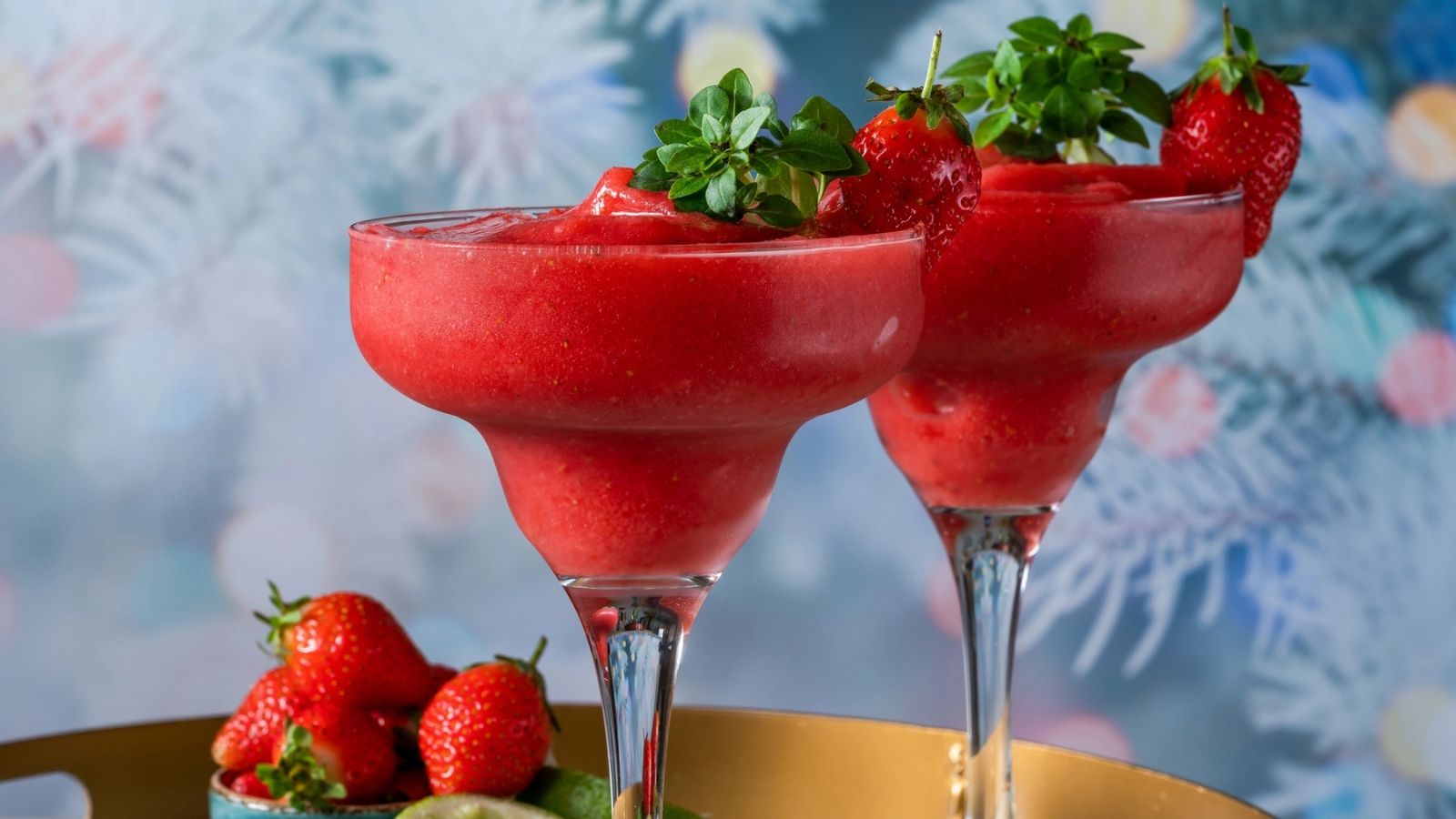
White rum, fresh lime juice and sugar make up the classic shaken version, usually strained into a chilled glass. Ernest Hemingway became closely associated with the drink at Havana’s El Floridita, though his preferred version departed sharply from that basic formula. Bartender Constantino “Constante” Ribalaigua Vert developed several variations there, using more rum, less sugar and additions such as grapefruit and maraschino, evidence that bartenders have been revising the basic recipe for nearly a century.
The Gulf Coast built an economy around it
Louisiana’s open-container law does not treat a frozen alcoholic drink as open inside a vehicle unless the lid has been removed, a straw protrudes from it or some of the contents have been removed. The format traces to Lafayette in 1981, when David Ervin opened a stand called the Daiquiri Factory and sealed the lid’s straw hole with a strip of tape to keep the drink legally closed during the drive home. New Orleans’ own tourism bureau describes the drinks as available by the cup or by the gallon, from a walk-up window, a specialty store or a drive-thru lane, alongside the sit-down version at an outdoor bar.
Louisiana shops built their own sprawling flavor culture around the frozen drink, far removed from the numbered variations once served at El Floridita, with lists that run from strawberry and piña colada to inventions like sweet tea and electric lemonade, colors bright enough to double as a paint chart.
A few cities let daiquiris hit the sidewalk
The Historic District in Savannah, Georgia, is among the U.S. cities with a designated open-container zone. Within its boundaries, a licensed business may sell one drink per person in an aluminum, paper or plastic cup of no more than 16 ounces. The rule doesn’t single out any one drink, but a frozen daiquiri fits the format: colorful, portable and already built for a to-go cup. New Orleans also generally permits drinks to be carried outdoors as long as they’re not in glass containers, which is part of why frozen daiquiris and public drinking ended up so closely tied in the city’s image.






Some bars still treat it as a test
Behind some bars, though, bartenders treat the daiquiri less like a party trick and more like an exam. Because the classic version has only three ingredients, there’s no fruit puree or syrup to cover a bad pour; the lime has to be balanced against that day’s acidity. The rum has to carry the drink on its own, and the shake has to produce the right temperature and dilution without watering it down.
The rum behind the classic drink still has a place in the industry’s awards conversation. Worthy Park’s cane juice rum, made from 100% sugarcane juice instead of the molasses traditionally used for most Jamaican rum, is one of four finalists for Best New Spirit or Cocktail Ingredient at the 2026 Spirited Awards, held July 23 during Tales of the Cocktail in New Orleans.
Eduardo Bacardi, the director of marketing for Ron del Barrilito Rum, says, “Because Ron del Barrilito has no added sugar and draws its character from years of aging in ex-Oloroso sherry casks, it’s remarkably well-rounded — dry, layered and balanced. That’s what makes it so versatile. It holds its own in a spirit-forward classic like a rum old fashioned or Negroni, where there’s nowhere for the rum to hide, but it’s just as enjoyable in a piña colada or daiquiri, or simply over ice.”
2 cultures, 1 name
The two daiquiri cultures aren’t really in competition. One treats the drink as a serious test of technique; the other treats it as a 16-ounce excuse to walk down the street in the middle of the afternoon. Ask a bartender, and the answer involves balance and dilution. Ask someone at a drive-thru window, and the answer may be strawberry, mango or whatever is turning in the machine.
Jennifer Allen is a retired professional chef and long-time writer. Her work appears in dozens of publications, including MSN, Yahoo, The Washington Post and The Seattle Times. These days, she’s busy in the kitchen developing recipes and traveling the world, and you can find all her best creations at Cook What You Love.
The post America’s daiquiri culture is split in 2, and bartenders take both seriously appeared first on Food Drink Life.

(0) comments
Welcome to the discussion.
Log In
Keep it Clean. Please avoid obscene, vulgar, lewd, racist or sexually-oriented language.
PLEASE TURN OFF YOUR CAPS LOCK.
Don't Threaten. Threats of harming another person will not be tolerated.
Be Truthful. Don't knowingly lie about anyone or anything.
Be Nice. No racism, sexism or any sort of -ism that is degrading to another person.
Be Proactive. Use the 'Report' link on each comment to let us know of abusive posts.
Share with Us. We'd love to hear eyewitness accounts, the history behind an article.