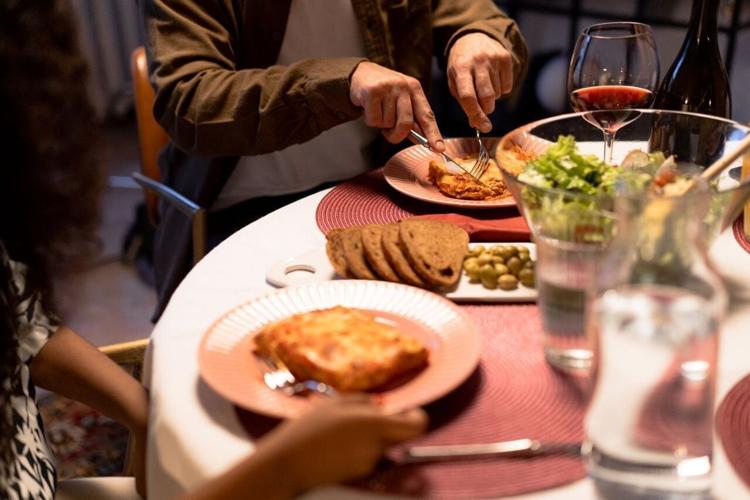



Photo by cottonbro studio via Pexels
By Stephen Beech
Family traditions and nostalgia are major barriers to people quitting meat and adopting plant-based diets, according to a new study.
Scottish researchers found that links to childhood, cultural identity and a sense of home can make dietary changes feel like a loss of self or tradition for many people.
The study showed that people's attachment was less often about meat itself – and more about links to personal experiences and cultural traditions.
Lead author Aga Kosla said: "Our research shows that dietary change is not just a practical or nutritional issue.
"Food is tied to identity, belonging, and family life, so vegan advocacy, activism, and public health messaging needs to engage with those emotional and cultural attachments.

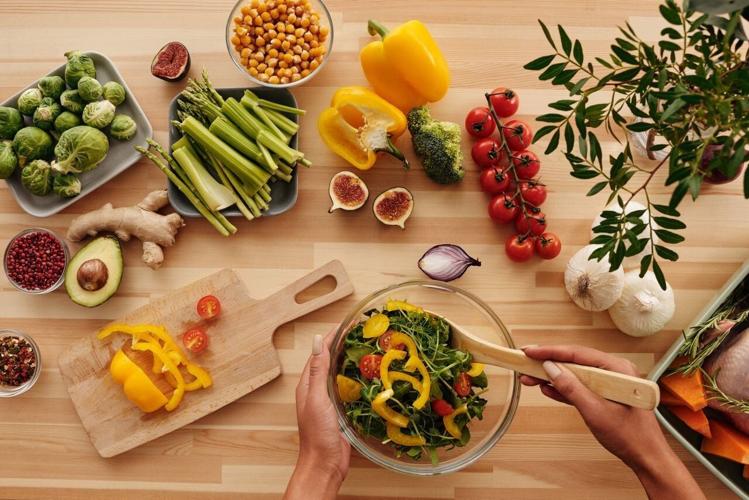
Photo by Vanessa Loring via Pexels
Kosla, from the University of Stirling, added: "This study highlights that resistance to plant-based diets is not simply about taste or convenience, but about maintaining continuity with the past and preserving meaningful traditions.
"Interestingly, participants often realized that it was the shared experience, not the specific ingredient, that mattered most."
The Stirling team interviewed 24 regular meat eaters to explore their attitudes and memories related to food.





The data was then analyzed using a technique called "reflexive thematic analysis" to identify patterns in the data.
The researchers then developed themes to explain their findings.
Nostalgic foods – such as turkey at Christmas – were strongly linked to family gatherings, celebrations, and cultural identities, and this initially acted as a barrier to change.
But when participants were asked to reflect more deeply, many became more open to vegan alternatives - especially if those foods could recreate the same social experience or emotional meaning.

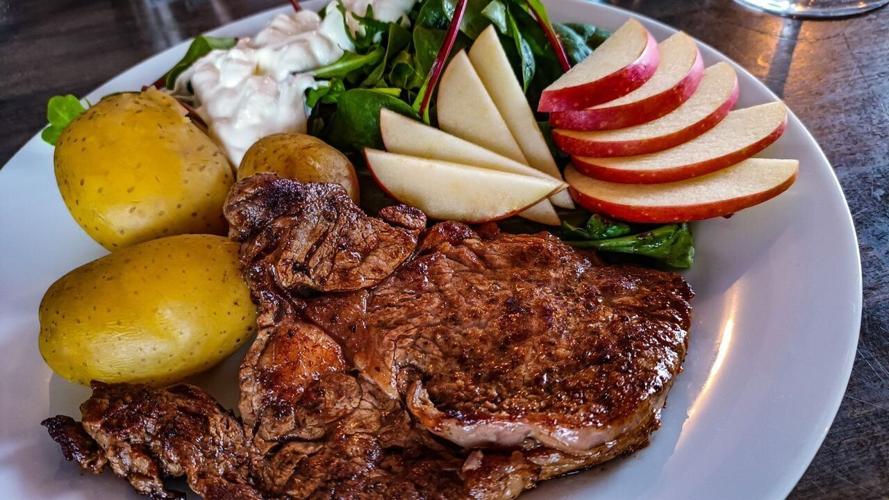
Photo by Catarina Kåsa via Pexels
The study also found that friends were seen as more flexible and accommodating of plant-based diets or vegan lifestyles than family, where traditional food practices appeared harder to change and had a greater potential for conflict.
Efforts to encourage people to adopt either a plant-based diet or a vegan lifestyle often focus on health, ethics, animal rights or the environment – overlooking personal and social connections to food.
The research team believe that their findings, published in the journal Psychology of Human-Animal Intergroup Relations, could help producers, campaigners and public health organizations make plant-based options feel less like a loss, by recreating nostalgic or culturally significant dishes using vegan ingredients.
Psychologist Carol Jasper, a committed vegan and primary supervisor for the project, said: "Recreating nostalgic or culturally significant dishes using vegan ingredients can make dietary change feel more accessible.
"This could also help reduce the social barriers people face, particularly in family settings."
She added: "Like culinary traditions from the past, the food of the future, crafted without the inclusion of meat and other animal-derived ingredients, may also evoke a sense of nostalgia and encourage the creation of new customs that can resonate with and enrich future generations."

(0) comments
Welcome to the discussion.
Log In
Keep it Clean. Please avoid obscene, vulgar, lewd, racist or sexually-oriented language.
PLEASE TURN OFF YOUR CAPS LOCK.
Don't Threaten. Threats of harming another person will not be tolerated.
Be Truthful. Don't knowingly lie about anyone or anything.
Be Nice. No racism, sexism or any sort of -ism that is degrading to another person.
Be Proactive. Use the 'Report' link on each comment to let us know of abusive posts.
Share with Us. We'd love to hear eyewitness accounts, the history behind an article.