



Long-haul flights used to be something travelers pushed through. You packed snacks, downloaded movies, and accepted that getting somewhere far meant being uncomfortable for a while. Layovers were something to survive, not something to enjoy.
That mindset is changing. More travelers are choosing to break long journeys into smaller, more meaningful pieces, turning layovers into short stays that add depth to a trip rather than delay it.
Airline stopover programs have helped drive that shift, and Copa Airlines has been one of the carriers leading the way. Its Stopover in Panama program allows passengers to add a stay in Panama City at no additional airfare for 24 hours to 7 days, on either the outbound or return portion of their trip. The program also includes discounted hotel stays and exclusive dining and activity offers.
The idea is simple. You are already passing through Panama. Why not step outside the airport and experience it?
Stopover In Panama City
To see what that kind of stay looks like in practice, I flew from Los Angeles to Panama City as part of a hosted trip showcasing what travelers can experience during a stopover. While I did not personally book the program, the itinerary reflected how it works in real life: arrive, settle in, explore, and continue on your way.
Panama City is particularly well-suited for this kind of travel. As Copa’s main hub, it connects North America to dozens of destinations across Central and South America, including Colombia, Peru, Brazil, Argentina, and Chile. The city is compact and easy to navigate, with historic neighborhoods, natural areas, and major attractions located close together.
Panama City Two Day Itinerary

Wildlife in Panama (Chantelle Kincy)
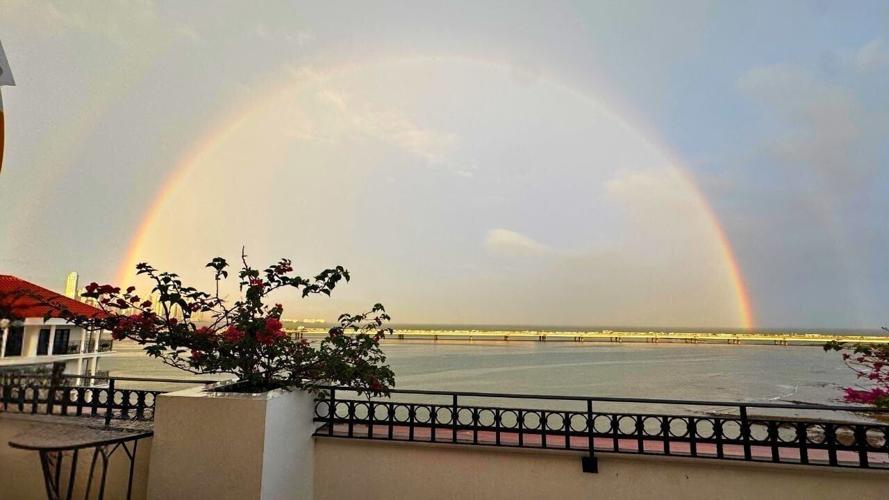
I stayed at Sofitel Legend Casco Viejo, located in the heart of the historic district. My balcony overlooked the ocean. The room was spacious and thoughtfully designed, with a large bathroom and a comfortable sitting area.
Being based in Casco Viejo made the short stay feel manageable. Cafés, museums, shops, and historic streets were all within walking distance, which meant less time in transit and more time experiencing the city. The hotel’s rooftop pool and bar offered views over the water, and a small speakeasy tucked inside provided a quiet place to end the evening.






A visit to the Panama Canal offered a perspective on the scale of the operation. Watching massive cargo ships pass through narrow channels is a reminder of how much of the world’s commerce moves through Panama.
Later, I took part in a Geisha coffee tasting in the city. Before this trip, I knew little about Panama’s role in producing some of the world’s most sought-after coffee. During the session, we learned how the beans are grown, harvested, and processed, and how specific climate conditions make this region uniquely suited to producing Geisha coffee. Sampling different varieties highlighted the precision behind each cup.
That evening, I walked from the hotel to Fonda Lo Que Hay, a local restaurant frequently named among the best in the world. The menu changes regularly, and the atmosphere is relaxed. The soup alone was memorable. Another dinner at Lazotea, a rooftop restaurant nearby, I watched the sky darken over Casco Viejo while eating ceviche that remains one of the best I have had anywhere.
I traveled to Gatun Lake by small boat with a local guide who explained the area’s history as we glided across the water. Along the way, we passed massive cargo ships heading toward the canal. Between them, wildlife appeared: birds, crocodiles, monkeys, and a sloth resting in the trees.

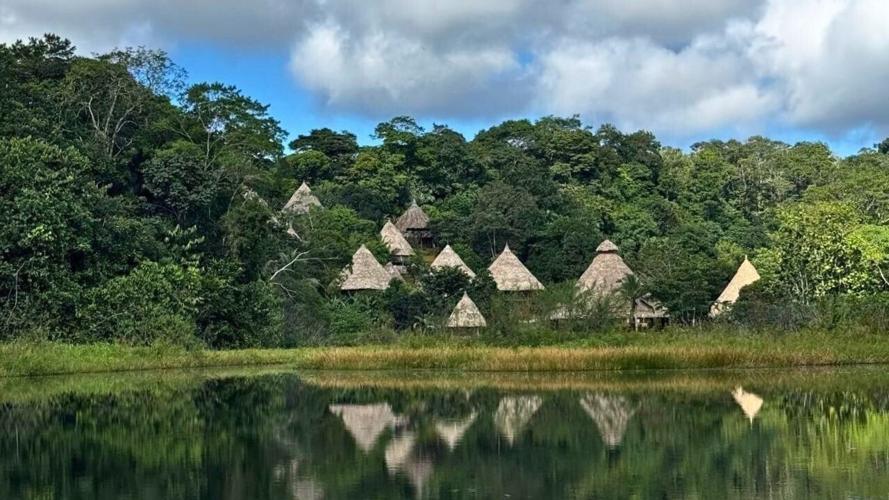
Embera village in Panama (Chantelle Kincy)
I traveled along the river by dugout canoe to visit an Embera village. As we rounded a bend in the river, straw roofs came into view. Music drifted toward us. Children ran along the shore. Women prepared food and crafts. Men carved wood and played instruments. We were welcomed with warmth and pride.
Members of the community shared their traditions through music, art, and storytelling. What stood out most was the strong sense of connection among residents and the calm rhythm of daily life.
Break Up Long Journeys With Stopovers
Copa’s program removes much of the friction that usually comes with planning a short stay in a new city and allows travelers to explore a new destination along their journey.
For travelers heading deeper into Latin America or returning home from South America, the stopover becomes part of the trip rather than a break.
The idea behind intentional stopovers is not to cram in more. It is to travel with a little more awareness, and to recognize that the spaces between destinations can hold their own meaning.



(0) comments
Welcome to the discussion.
Log In
Keep it Clean. Please avoid obscene, vulgar, lewd, racist or sexually-oriented language.
PLEASE TURN OFF YOUR CAPS LOCK.
Don't Threaten. Threats of harming another person will not be tolerated.
Be Truthful. Don't knowingly lie about anyone or anything.
Be Nice. No racism, sexism or any sort of -ism that is degrading to another person.
Be Proactive. Use the 'Report' link on each comment to let us know of abusive posts.
Share with Us. We'd love to hear eyewitness accounts, the history behind an article.