Under EU rules, single-use plastic bottles need to contain at least 25 percent of recycled plastic -- with the share set to increase to 30 percent by 2030
Under EU rules, single-use plastic bottles need to contain at least 25 percent of recycled plastic -- with the share set to increase to 30 percent by 2030
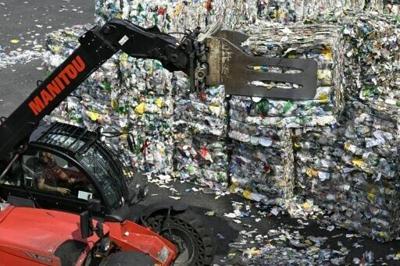
European nations voted Friday to allow for chemical recycling to play a larger role in the production of plastic bottles, overcoming reservations about the energy-intensive technology.
Under EU rules, single-use plastic bottles need to contain at least 25 percent of recycled plastic -- with the share set to increase to 30 percent by 2030.
Currently only plastic recycled through mechanical techniques, which involve washing, shredding and remelting the stuff, can be used towards the quota.
But representatives for the European Union's 27 member states voted to extend the same benefit to chemically recycled plastics.
The vote follows a proposal put forward by the European Commission aimed at supporting investment in the plastic recycling sector, which is struggling against competition from China and other parts of Asia.
The change "will benefit the plastics industry, they now have consistent and clarified rules to calculate, verify and report the recycled content", said Anna-Kaisa Itkonen, a spokeswoman for the European Commission.
She defined the vote as a "first milestone for defining rules for chemical recycling at EU-level".
Brussels believes that chemical recycling can help the re-use of certain challenging types of packaging, such as yoghurt containers.
But environmental groups complain that the process, which involves heating plastics to high temperatures to recycle them, is energy intensive, more polluting than mechanical techniques and could serve as a fig leaf for companies to continue producing more plastics.
The vote "sets (a) dangerous precedent for greenwashing around recycled content", campaign group Zero Waste Europe said in a statement.
A commission source said there was "strong pressure from industry" to back chemical recycling despite doubts about its benefits.
"We see many pilot projects, but at the industrial level, we're not there yet," the source said.
Europe's recycling sector is under severe pressure, due to abundant supply of cheap plastics as global production continues to rise.
More than half of plastics produced worldwide -- 57 percent -- come from Asia, with 35 percent coming from China.
Keep it Clean. Please avoid obscene, vulgar, lewd,
racist or sexually-oriented language. PLEASE TURN OFF YOUR CAPS LOCK. Don't Threaten. Threats of harming another
person will not be tolerated. Be Truthful. Don't knowingly lie about anyone
or anything. Be Nice. No racism, sexism or any sort of -ism
that is degrading to another person. Be Proactive. Use the 'Report' link on
each comment to let us know of abusive posts. Share with Us. We'd love to hear eyewitness
accounts, the history behind an article.









(0) comments
Welcome to the discussion.
Log In
Keep it Clean. Please avoid obscene, vulgar, lewd, racist or sexually-oriented language.
PLEASE TURN OFF YOUR CAPS LOCK.
Don't Threaten. Threats of harming another person will not be tolerated.
Be Truthful. Don't knowingly lie about anyone or anything.
Be Nice. No racism, sexism or any sort of -ism that is degrading to another person.
Be Proactive. Use the 'Report' link on each comment to let us know of abusive posts.
Share with Us. We'd love to hear eyewitness accounts, the history behind an article.