On a warm afternoon at The Farmstand in Silex, Missouri, a customer pulls into the gravel drive, fills a bag with tomatoes still warm from the sun and drops dollar bills into a payment box. The scene feels old fashioned, but is increasingly familiar. Missouri outpaces every neighboring state in the number of farms selling directly to the public: 3,215, according to the University of Missouri Extension.
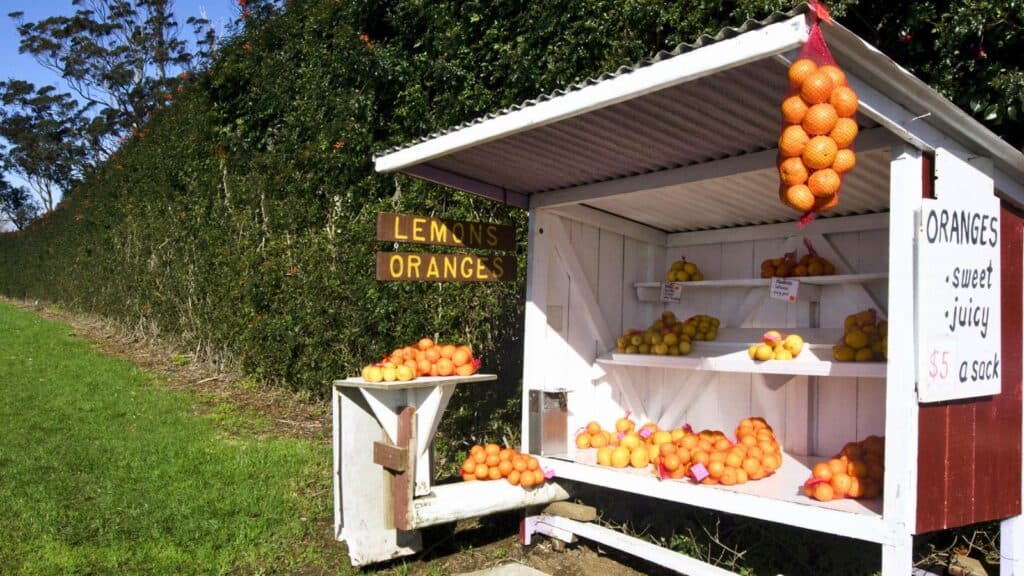
It doesn’t take a big operation to sell directly. People come to these farms for different reasons, including rising costs and a desire to know where their food comes from. Sales remain modest; the average farm nets just under $11,000 per year through direct sales. The business is built on relationships, not volume.
One customer at a time
The findings from the University of Missouri Extension analysis published earlier this summer indicate nationwide interest in direct-to-consumer food sales. The most recent Census of Agriculture found producers sold $17.5 billion worth of food through direct marketing channels, a 25% increase since the last census.
Renewed interest in farm stands shows up in more than sales figures. The American Farmstand Association, a membership group formed in February 2026 to support local farmers and makers, built a national map connecting shoppers with farmstands around the country. According to Lynsey Kmetz, an ambassador for the group, the 900th location was just added.
For Brooke Salvaggio, who runs Urbavore Farm in Kansas City, Missouri, the shift to buying local plays out one customer at a time. Salvaggio says her regular customers tend to fall into one of two camps: “foodies” who seek out specialty, high-flavor ingredients, and people who overhauled their diets after a health scare. She estimates her farm has seen its customer base grow by about 20% over the past few years.
For Brandelyn Twellman, who opened The Farmstand in Silex, Missouri, this spring, the draw is partly geography and partly loyalty. Her farm sits 20 minutes from the nearest grocery store, and offers produce and baked goods like cinnamon rolls.
Twellman, who runs the stand with her family, believes convenience helps. “The option to grab sweet corn, tomatoes, cucumbers and fresh herbs just down the road changes dinner time.”
Why customers keep coming back
For Salvaggio, the appeal goes beyond that. “The sheer quality of the food, the taste, the vibrancy, the storage life,” she says. Customers also value what she describes as a connection to a family and the land.
Jennifer Maker, owner of Maker Farm, and a shopper who visits roadside stands at least once a week near Dexter, Michigan, says the appeal is just as much about the people as the produce.
“We shop at farm stands because we love supporting our neighbors and seeing what people around us are growing and making,” Maker shares. “There’s just something really special about buying food that was grown just down the road.” For Maker, summer trips to farm stands mean sweet corn, along with the occasional jar of homemade jam or salsa.






A different way to sell
Running a farm stand rather than selling at a farmers market comes with trade-offs. Salvaggio says selling directly from the farm allows her to set her own hours, avoid vendor fees and, importantly, avoid hauling unsold produce home at the end of the day. “The amount of time, money, labor, and potentially wasted product that goes into farmers market vending is considerable,” she claims.
Kmetz reached a similar conclusion after buying a century-old Florida house that came with three ovens and a large garden. What began as a porch-pickup bakery grew into Pauline Manor Bread Shed, a farm stand that sells baked goods, dry mixes, produce, jams, honey and other products.
Kmetz says the farm stand gives her flexibility to offer a wider variety of products without transporting everything to a market and bringing home what doesn’t sell. Preorders also help. She uses HotPlate to take orders before she begins baking, reducing the risk of making bread that won’t sell.
Flexibility is especially important to Twellman because her family also runs three other small businesses while she raises two young children. A farm stand lets the family work around nap times, harvest schedules and other responsibilities. Customers visit the stand on their own schedule, and pay with cash or Venmo.
Reaching their audience
Although farm stands may evoke an earlier era of roadside commerce, today’s producers use modern technology to reach customers. Salvaggio utilizes social media and online ordering, but says most of Urbavore Farm’s new customers still arrive through word of mouth. Nationally, The American Farmstand Association’s locator map offers a convenient way to discover local farm stands.
Kmetz has seen significant growth at Pauline Manor, and utilizes Facebook and HotPlate to communicate product availability and announce when preorders open. “Social media helps new people discover the bakery, while HotPlate helps me stay connected with the people who have already purchased from me,” Kmetz says.
For Twellman, sales are steady, but “Growth for us is not always about the money, but rather the impact we’re making in our community.” She adds, “Providing the opportunity to purchase fresh bread, baked goods and locally grown produce in our small town is our ‘why.’”
Farm stands may look like a throwback to a simpler way of buying food, but the model is adapting to modern life. Customers get goods close to home and a connection to the people who produce them, while small businesses gain a flexible way to reach those customers directly.
Michelle Goth is a professionally trained cook, cookbook author and freelance writer dedicated to celebrating Midwestern cooking traditions. She shares easy recipes for family dinners and holidays at Blackberry Babe and affordable family travel tips at Mountain Beach Repeat.
The post Farm stands tap into nostalgia as demand for local food grows appeared first on Food Drink Life.
(0) comments
Welcome to the discussion.
Log In
Keep it Clean. Please avoid obscene, vulgar, lewd, racist or sexually-oriented language.
PLEASE TURN OFF YOUR CAPS LOCK.
Don't Threaten. Threats of harming another person will not be tolerated.
Be Truthful. Don't knowingly lie about anyone or anything.
Be Nice. No racism, sexism or any sort of -ism that is degrading to another person.
Be Proactive. Use the 'Report' link on each comment to let us know of abusive posts.
Share with Us. We'd love to hear eyewitness accounts, the history behind an article.