Some cooks reach for broth when building flavor, while others reach straight for a bottle of Guinness. The iconic Irish stout still fills pint glasses, but it’s also poured into simmering pots and mixing bowls across American kitchens. From savory braises to rich desserts, the dark beer has carved out a spot on the ingredient list, adding its roasted barley flavor to recipes beyond the bar.
With more than 10 million glasses of Guinness stout enjoyed worldwide each day, the Irish beer’s popularity reaches not only pint glasses but also recipe books. The dark stout has built a reputation for balancing richness and adding depth in dishes served across a full-course meal.
Stout finds a place in kitchens
Cooks have used beer in food preparation for generations, particularly across European cooking traditions where it appears in stews, sauces and braised dishes. With around 1.8 billion pints sold each year globally, Guinness remains a familiar ingredient that performs well in savory recipes and slow-cooked meals.
The beer gets its dark color and distinct taste from barley roasted at high heat during brewing. That process produces flavors often compared with coffee, cocoa and toasted grain, which add depth to dishes built around long-simmering sauces.
Other components of the stout influence its performance in cooking: malted barley introduces mild sweetness that balances hearty ingredients, while hops provide a gentle bitterness that cuts through the richness of meats and gravies. Carbonation and mild acidity can also soften proteins, making the beer useful in marinades and braising liquids.
Classic pub dishes endure
Traditional pub recipes helped introduce Guinness stout into everyday cooking, moving it from Irish staples into restaurant kitchens and home meals across the United States. These dishes rely on long cooking methods that allow the beer to blend into sauces and broths served with hearty meals.
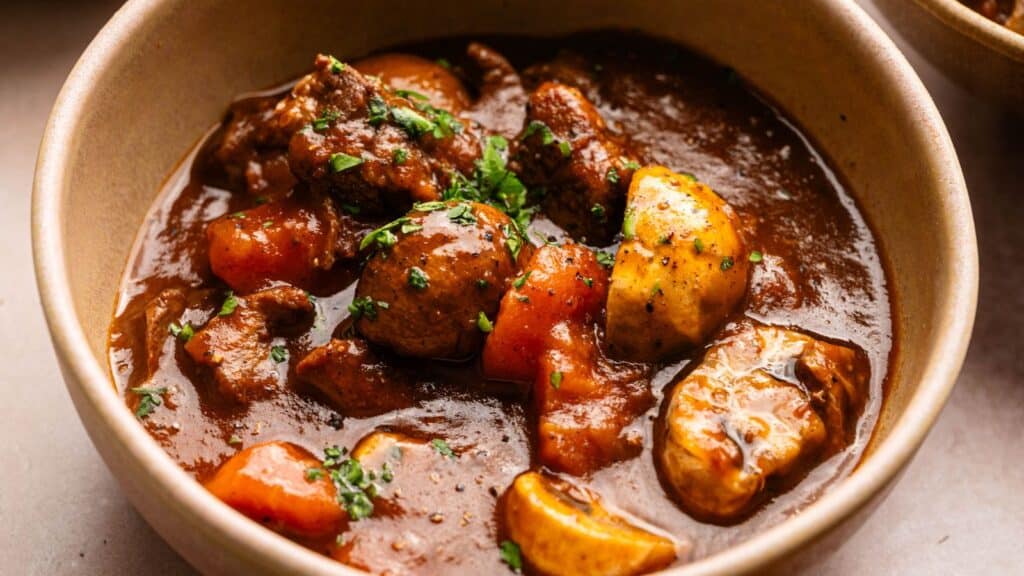
Guinness-braised beef short ribs is a clear example, as stout reduced during braising creates a dark sauce that balances the richness of the meat. Beef and Guinness stew is another widely prepared dish, with the beer adding depth to the broth served with slow-cooked beef and vegetables.
Other recipes incorporate the stout in different ways, including cheddar soups in which the dark beer complements sharp cheese and sausage dishes where onions simmer with the stout until the liquid forms a savory glaze. The beer also appears in barbecue sauces and marinades used for meats prepared on grills or in ovens.
Sweet treats with Guinness






Recipes for Guinness chocolate cake have appeared in cookbooks and chef-created desserts over the years, expanding the use of stout across a variety of chocolate sweets. The dark beer pairs naturally with chocolate because its roasted flavor balances the sweetness in many baked goods. “Guinness brings out the deep chocolate flavor that makes desserts unforgettable,” says Wendie Williams of Butter Your Biscuit.
Some bakeries and home cooks mix stout into brownie batter, cupcake recipes or sweet breads, while others add it to chocolate ganache used in layered cakes, tarts and truffles. Specialty shops also occasionally feature Guinness ice cream in seasonal or limited runs, where the beer contributes roasted notes that blend into creamy bases and create flavors often compared with malt and cocoa.
Milkshakes offer another format that works well with stout, especially when cooks simmer the beer into a thicker concentrate before blending it with malted milk powder and vanilla ice cream. The vanilla base softens the stronger flavor and keeps the drink smooth and balanced.
Other desserts rely on lighter preparations that freeze well, including whipped cream blended with chocolate and a stout reduction, then chilled in small cups until it sets into a soft frozen mousse. A similar reduction can also be turned into a chocolate stout syrup that pours easily over sundaes or other cold desserts.
Beer-based sauces and spreads
Savory condiments offer another practical way cooks incorporate stout into everyday meals, particularly in sauces and spreads paired with sandwiches and grilled meats. Some cooks blend Guinness into beer cheese sauces or stir it into mustard mixtures that bring a darker, slightly bitter note suited to pretzels and deli-style sandwiches.
Other recipes rely on simmering the beer into a concentrated base that can be mixed into dressings or onion spreads. When combined with oil and vinegar, the stout gives vinaigrettes a fuller taste.
Home cooks have also experimented with stout-based sauces that accompany hearty plates. One example appears in a gravy poured over traditional dishes such as bangers and mash. “I’ve been making this Guinness gravy for years now. The Guinness adds an extra layer of flavor that makes it just right to pour over bangers and mash on St Patrick’s Day. It doesn’t use a full can, but that doesn’t mean you have to share the leftovers,” says Renee Gardner of Renee Nicole’s Kitchen.
Kitchen trends expand flavor options
Guinness appears in dishes from stews to desserts as people grow more open to unconventional additions that improve everyday cooking. Chefs and home cooks look beyond traditional pantry items when experimenting with ingredients that add new layers of flavor to familiar recipes. This approach opens the door to new variations of familiar meals, introducing subtle twists that expand how comfort dishes are prepared.
Jennifer Allen is a retired professional chef and long-time writer. Her work appears in dozens of publications, including MSN, Yahoo, The Washington Post and The Seattle Times. These days, she’s busy in the kitchen developing recipes and traveling the world, and you can find all her best creations at Cook What You Love.
The post From stews to sweets, Guinness finds new life beyond the glass appeared first on Food Drink Life.



(0) comments
Welcome to the discussion.
Log In
Keep it Clean. Please avoid obscene, vulgar, lewd, racist or sexually-oriented language.
PLEASE TURN OFF YOUR CAPS LOCK.
Don't Threaten. Threats of harming another person will not be tolerated.
Be Truthful. Don't knowingly lie about anyone or anything.
Be Nice. No racism, sexism or any sort of -ism that is degrading to another person.
Be Proactive. Use the 'Report' link on each comment to let us know of abusive posts.
Share with Us. We'd love to hear eyewitness accounts, the history behind an article.