How Juneteenth National Independence Day became more than a federal holiday reveals a transformation in how the nation remembers freedom. First celebrated in Texas in 1866, the holiday now reaches every corner of the country, bringing together parades, public education and political reflection. It amplified the stories of emancipation often overlooked in mainstream narratives, giving communities a new reason to organize and advocate for justice.
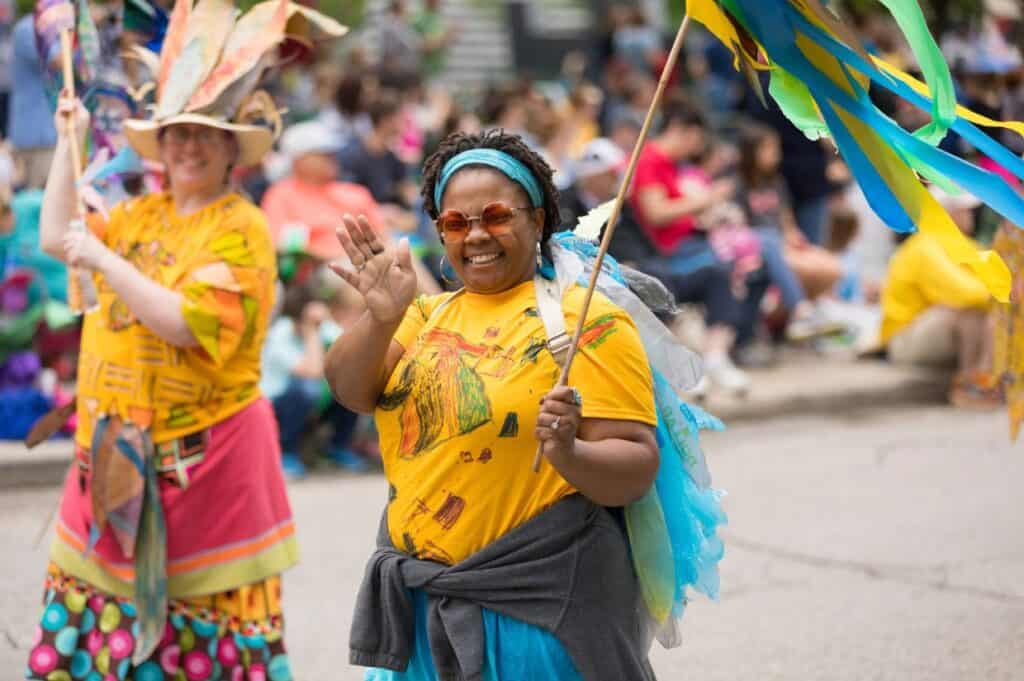
Juneteenth is a living story carried forward not only through historical memory but through present-day celebrations and community action. In this way, Juneteenth grew beyond the bounds of federal legislation and into a national moment of remembrance, resistance and renewal.
A reflection on Juneteenth’s significance
Every June 19, communities across the United States pause to reflect on the meaning of Juneteenth National Independence Day. The date represents far more than the end of slavery; it captures a pivotal moment when the promise of freedom began to reach those who had long been denied it.
Juneteenth marks the day in 1865 when Union General Gordon Granger arrived in Galveston, Texas, with federal troops to enforce the freedom of more than 250,000 enslaved people in the state. Although President Abraham Lincoln had issued the Emancipation Proclamation in 1863, its enforcement was uneven and delayed, especially in Confederate strongholds like Texas. That gap between law and reality exposed the challenges of delivering freedom, and why Juneteenth remains a defining milestone in the nation’s long fight for civil rights.
Its path to becoming a federal holiday was long and complex. Although celebrations began in Texas in 1866, it was not until June 17, 2021, that President Joe Biden signed the Juneteenth National Independence Day Act into law. This recognition came after decades of advocacy by individuals such as Opal Lee, who dedicated her life to raising awareness about the importance of the day.
How museums honor Juneteenth
Juneteenth has evolved into a vibrant celebration of African American culture, identity and resilience. Communities nationwide mark the occasion with parades, music, storytelling and traditional foods such as red velvet cake and strawberry soda. These elements symbolize both the pain of the past and the perseverance of those who fought for freedom. Building on that legacy, some museums have launched initiatives that turn Juneteenth into a space for active learning, cultural exchange and civic engagement.
The Birmingham Civil Rights Institute, or BCRI, has a longstanding tradition of honoring Juneteenth with community-focused events. In 2024, its celebration, titled Juneteenth: A Celebration for the Culture, featured music, arts, wellness programming and heritage tours. Looking ahead, BCRI plans to host events on June 14 and June 19, 2025, continuing its mission to spotlight Black culture, history and community well-being.






The National Archives Museum in Washington, D.C., marks Juneteenth with a public display of foundational documents, including the original Emancipation Proclamation and General Order No. 3. Scheduled for June 19-22, 2025, the exhibition invites visitors to view the historic texts that catalyzed the observance of Juneteenth.
Finally, the National Juneteenth Museum in Fort Worth, Texas, is organizing Freedom Vibes 2025 from June 19-22 to commemorate Juneteenth. As the only museum in the U.S. solely dedicated to its story, it plays a central role in preserving and promoting the history of emancipation and Black freedom. The museum’s leadership has emphasized community engagement, educational programming and cultural performances as core elements of this year’s celebration.
Educational initiatives and community engagement
Recognizing the broader importance of Juneteenth, institutions like the National Endowment for the Humanities, or NEH, have supported initiatives that highlight African American history and cultural contributions. These efforts include museum exhibit funding, reading programs, documentaries and digital archives that preserve firsthand narratives from the Reconstruction era through the present.
Grants have also been directed toward libraries and public schools developing curricula that center African American voices. In doing so, these programs help ensure that the history Juneteenth represents is accessible, engaging and anchored in lived experience. Through this work, this day continues to evolve, not only as a holiday but as an educational tool and catalyst for public dialogue.
Embracing Juneteenth’s legacy
Juneteenth National Independence Day is a national reckoning with the unfinished work of freedom. As a growing number of institutions and communities embrace the holiday, it reminds people of who freedom has historically excluded and how public memory is shaped. From civic education to cultural festivals, Juneteenth continues to expand in reach and meaning. Its momentum reinforces a national responsibility to reckon, repair and reimagine the path toward justice.
Jennifer Allen, retired chef turned traveler, cookbook author and writer, shares her adventures and travel tips at All The Best Spots. Living at home with her family, and the cats that rule them all, her work has been featured in The Washington Post, Seattle Times, MSN and more.
The post How Juneteenth National Independence Day became more than a federal holiday appeared first on Food Drink Life.
(0) comments
Welcome to the discussion.
Log In
Keep it Clean. Please avoid obscene, vulgar, lewd, racist or sexually-oriented language.
PLEASE TURN OFF YOUR CAPS LOCK.
Don't Threaten. Threats of harming another person will not be tolerated.
Be Truthful. Don't knowingly lie about anyone or anything.
Be Nice. No racism, sexism or any sort of -ism that is degrading to another person.
Be Proactive. Use the 'Report' link on each comment to let us know of abusive posts.
Share with Us. We'd love to hear eyewitness accounts, the history behind an article.