Iran targeted oil and gas facilities across the Gulf on Wednesday after Israel killed the Islamic republic's intelligence chief, marking another blow to its leadership.
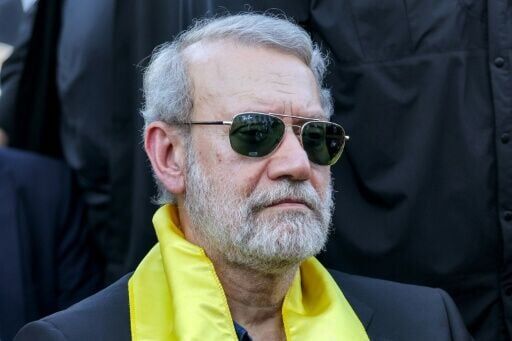
The death of Esmail Khatib followed that of security chief Ali Larijani, which Iran's new supreme leader Mojtaba Khamenei -- unseen since succeeding his slain father -- vowed to avenge.
The wave of targeted killings has wiped out many of Iran's senior leaders, though Washington's top intelligence official said the government remained in place, albeit degraded, after nearly three weeks of war.
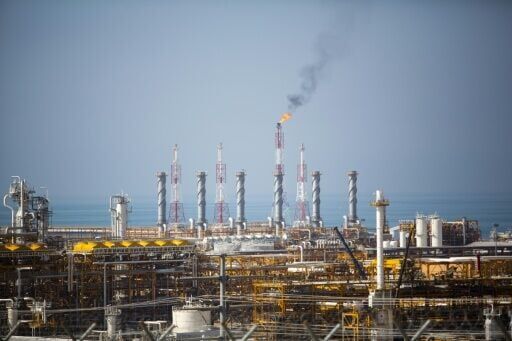
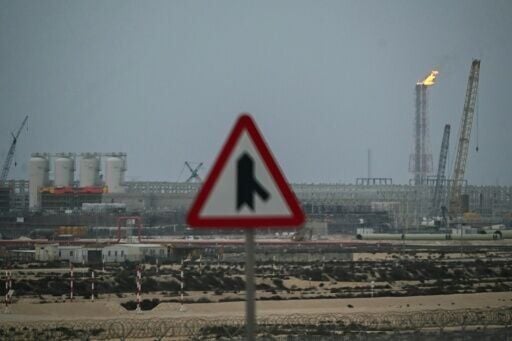
Tehran vowed to destroy the oil and gas industry of its Gulf neighbours if there were further attacks on its own energy sector following a strike on its South Pars field, the world's largest gas reserve.
"We warn you once again that you made a big mistake in attacking the energy infrastructure of the Islamic republic, the response to which is being implemented," the Revolutionary Guards said in a statement carried by Iranian media.
"If it is repeated again, further attacks on your energy infrastructure and that of your allies will not stop until it is completely destroyed, and our response will be much more severe than tonight's attacks."
Iranian state television reported that parts of the gas facilities located in the South Pars Special Economic Zone in Asaluyeh were hit by "projectiles fired by the American-Zionist enemy".
The Israeli military did not respond to requests for comment on the allegation, while US sources said Washington was aware but was not part of the attack.
Iran's warning came after Qatar's state energy company said an Iranian missile strike sparked a fire causing "extensive damage" at its main gas facility. Qatar responded by expelling two Iranian diplomats.
Saudi Arabia said it thwarted drone attacks on energy infrastructure in the east, while debris from an intercepted missile landed near a refinery south of Riyadh.
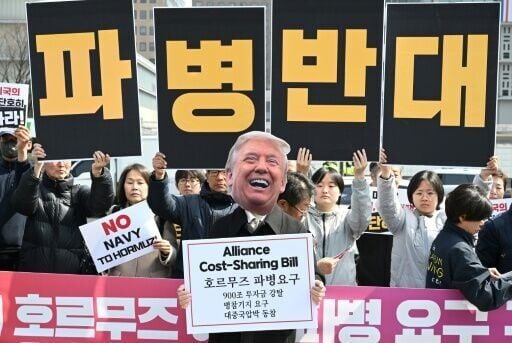
The attacks triggered another surge in oil prices, already elevated by the near-complete closure of the Strait of Hormuz.
- 'Cowardly assassination' -
The US-Israeli campaign began with strikes that killed supreme leader Ali Khamenei and has since eliminated several top officials.
Israeli Defence Minister Israel Katz said the military could continue targeting senior officials without further approval.
Iranian President Masoud Pezeshkian called Khatib's killing a "cowardly assassination".
After crowds gathered in Tehran for Larijani's funeral, Khamenei vowed retaliation in a written message.
"Every drop of spilled blood comes at a price, and the criminal murderers of these martyrs will soon have to pay it," Khamenei said.
Khamenei has not appeared in public since the war began, prompting taunts from US President Donald Trump that he might not even be alive.





Larijani's funeral was held alongside those of Gholamreza Soleimani, the head of the Basij who was also killed this week, and dozens of Iranian sailors who were killed when US forces torpedoed their frigate off Sri Lanka earlier this month.
Local authorities said Larijani would be buried at a shrine popular with pilgrims in the city of Qom.
In Washington, US intelligence chief Tulsi Gabbard told Congress the regime remained "intact but largely degraded". She also undercut one of Trump's key justifications for the war by acknowledging that Iran had not resumed nuclear enrichment.
- 'Support and solidarity' -
Israel has pursued a strategy of targeting senior Iranian and allied leaders.
It killed Hassan Nasrallah, the longtime leader of Hezbollah, in 2024 as well as Hamas's top figures since the Palestinian group's October 7, 2023 attack that sparked the Gaza war.
Despite the losses, Iran's leadership and Revolutionary Guards remain defiant.
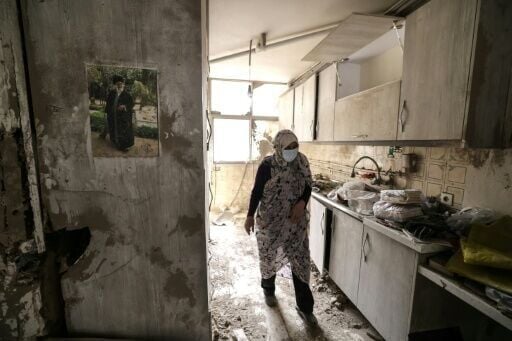
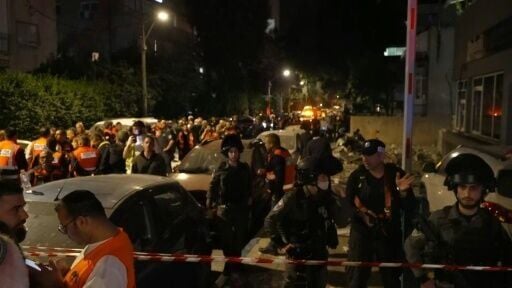
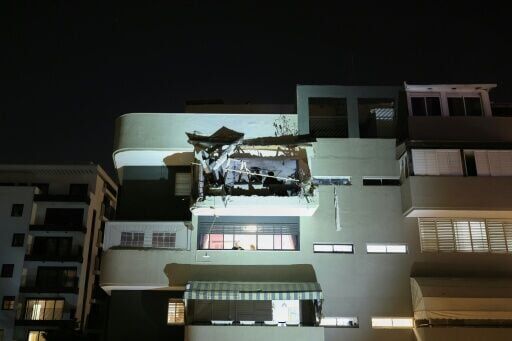
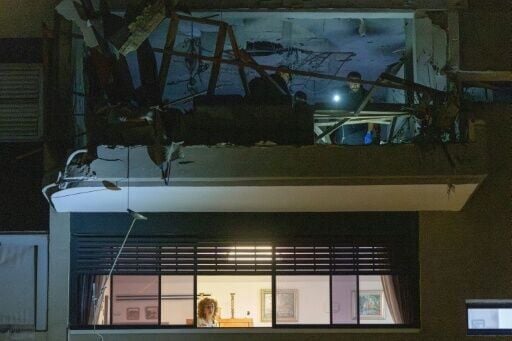
An Iranian missile barrage killed two people near Israel's commercial hub of Tel Aviv, while strikes hit multiple sites overnight, medics and local officials said.
Iranian media said US and Israeli strikes continued across multiple regions, including Tehran.
The war has spread across the region, leaving hundreds dead and millions displaced.
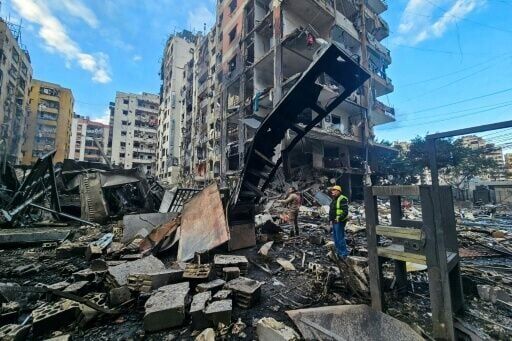
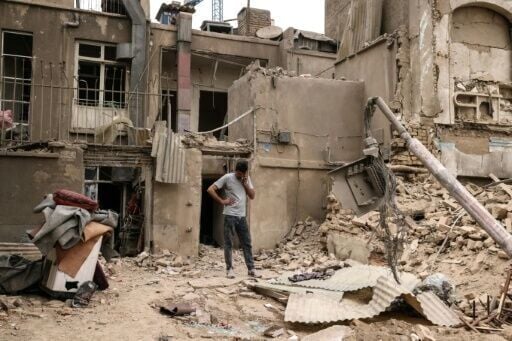
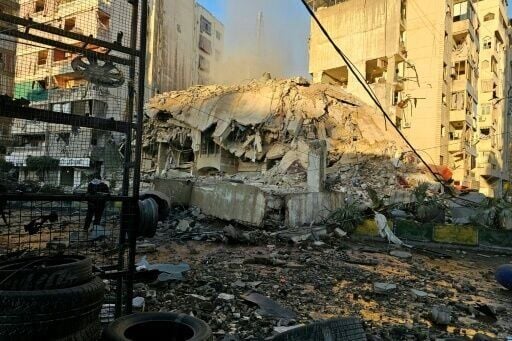
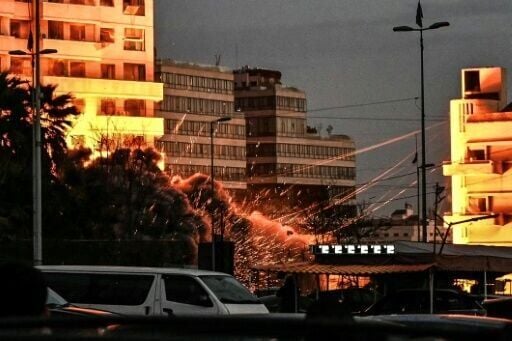
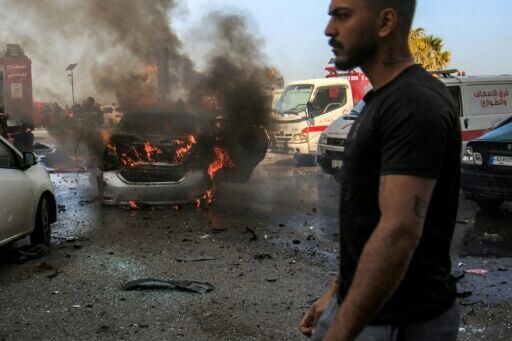
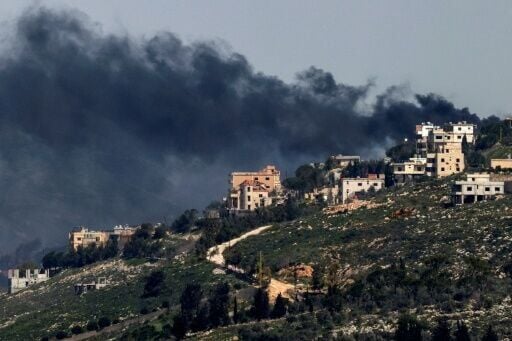
In Lebanon, Israel struck central Beirut multiple times Wednesday, with fatalities reported.
The country was drawn into the conflict when Iran-backed Hezbollah launched rockets at Israel over Ali Khamenei's death.
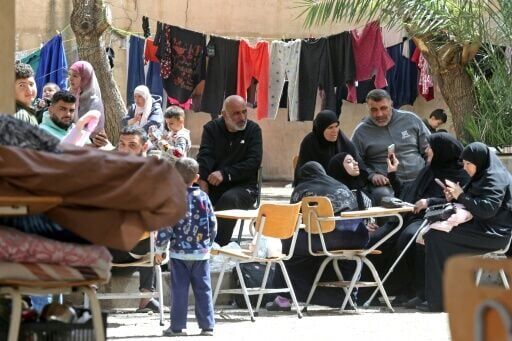
A line of cars stretched as far as the eye could see along the country's southern coast as residents of affected areas fled to the ancient city of Sidon in search of safety.
Nidal Ahmad Chokr initially intended to stay put but finally decided on Tuesday to leave his village of Jibchit, as the air strikes intensified.
"Bakers died while making bread" in the village square and "municipal workers were martyred while using bulldozers", the 55-year-old said.
France's foreign minister Jean-Noel Barrot is to travel to Lebanon on Thursday, in a visit that the ministry said "underlines France's support and solidarity with the Lebanese people, dragged into a war they didn't choose."
burs-ft/md



(0) comments
Welcome to the discussion.
Log In
Keep it Clean. Please avoid obscene, vulgar, lewd, racist or sexually-oriented language.
PLEASE TURN OFF YOUR CAPS LOCK.
Don't Threaten. Threats of harming another person will not be tolerated.
Be Truthful. Don't knowingly lie about anyone or anything.
Be Nice. No racism, sexism or any sort of -ism that is degrading to another person.
Be Proactive. Use the 'Report' link on each comment to let us know of abusive posts.
Share with Us. We'd love to hear eyewitness accounts, the history behind an article.